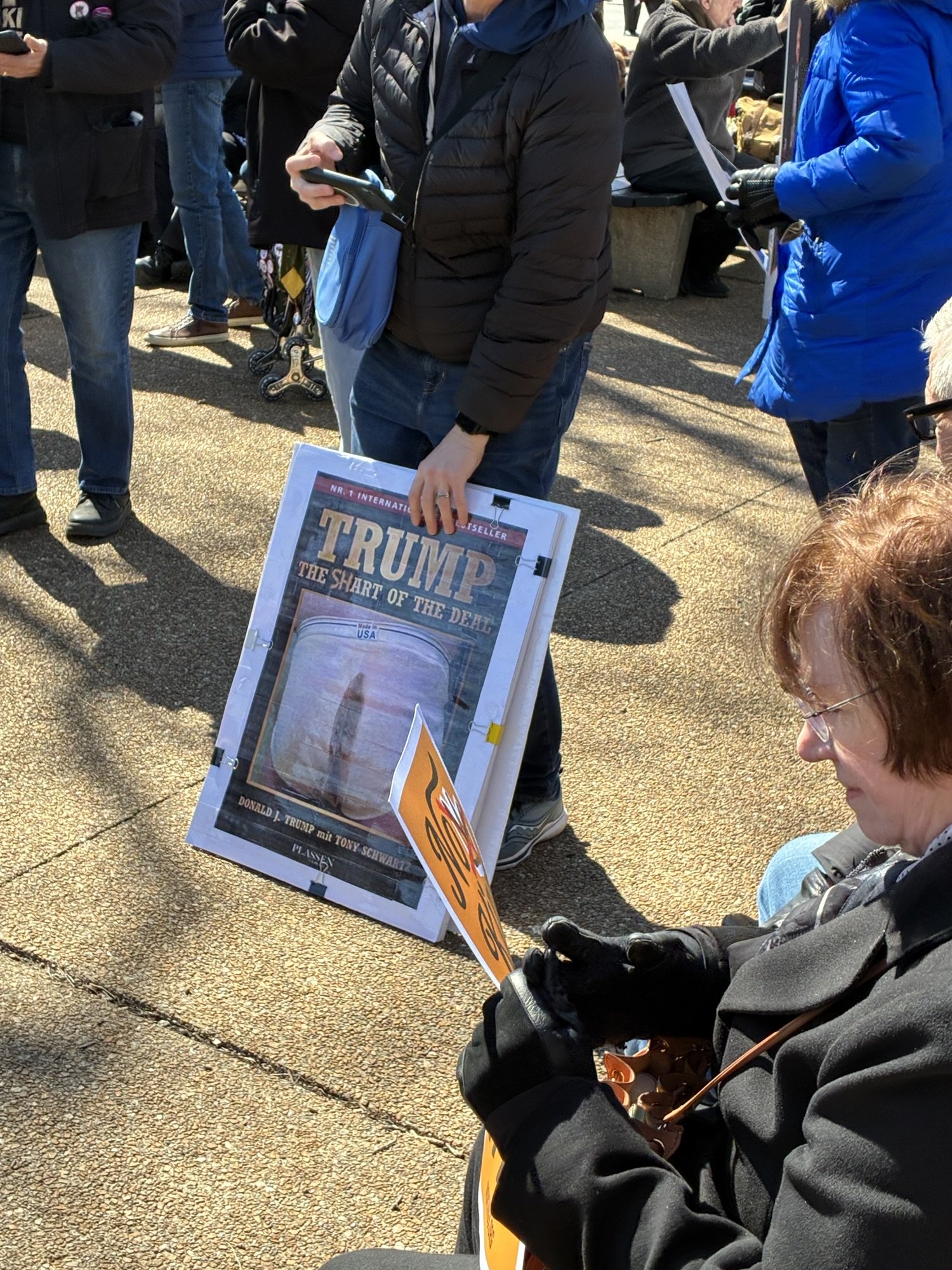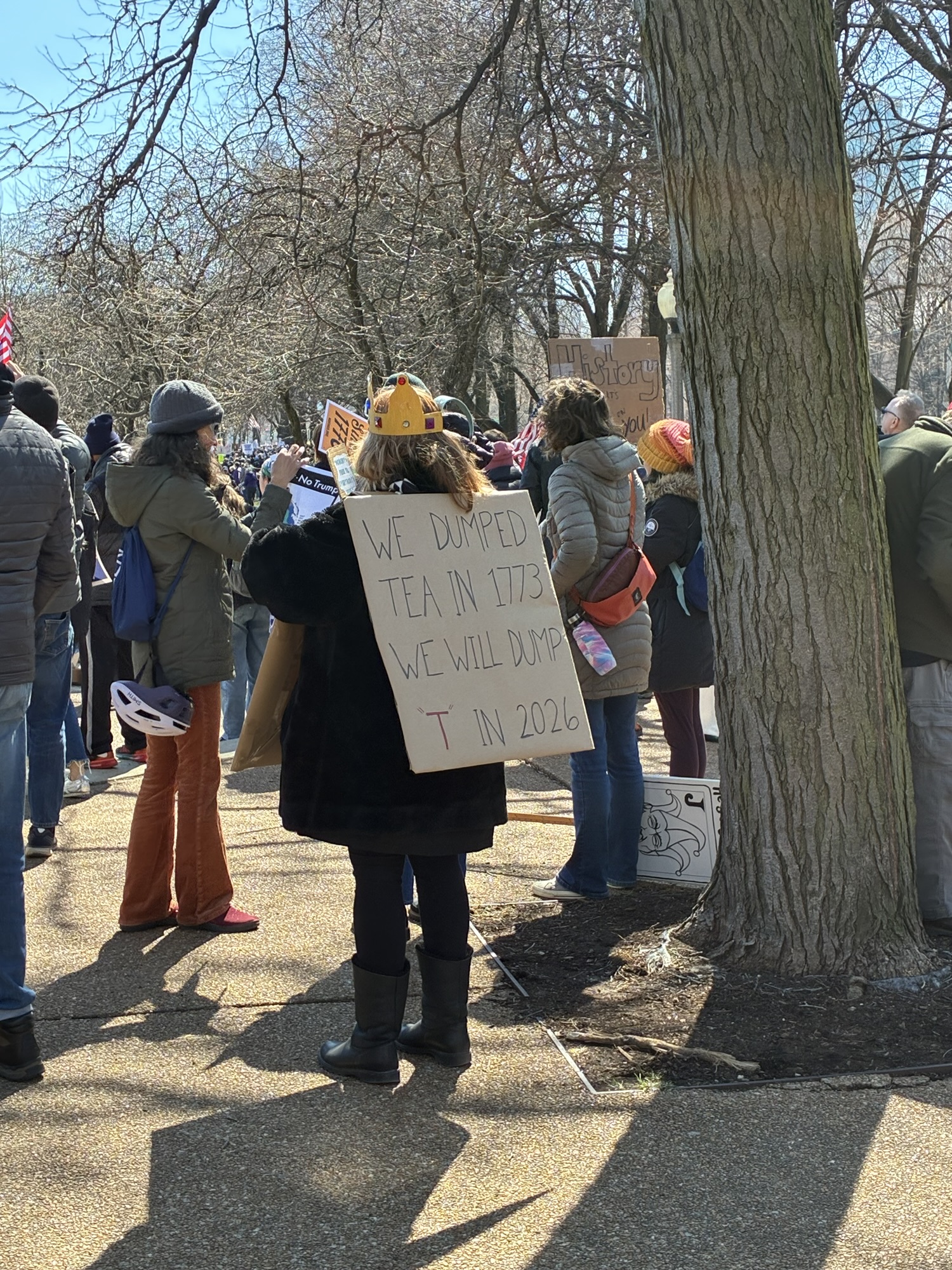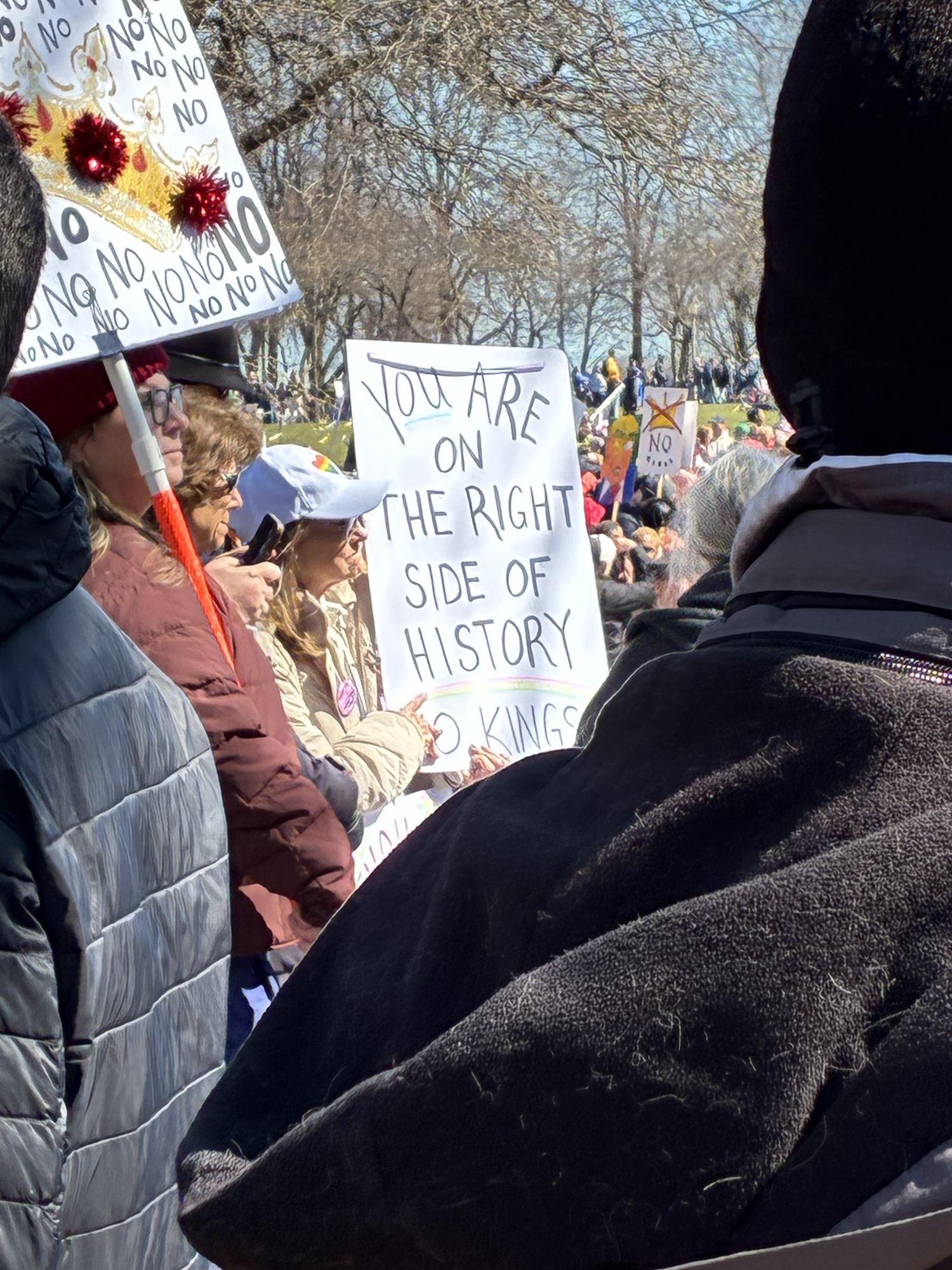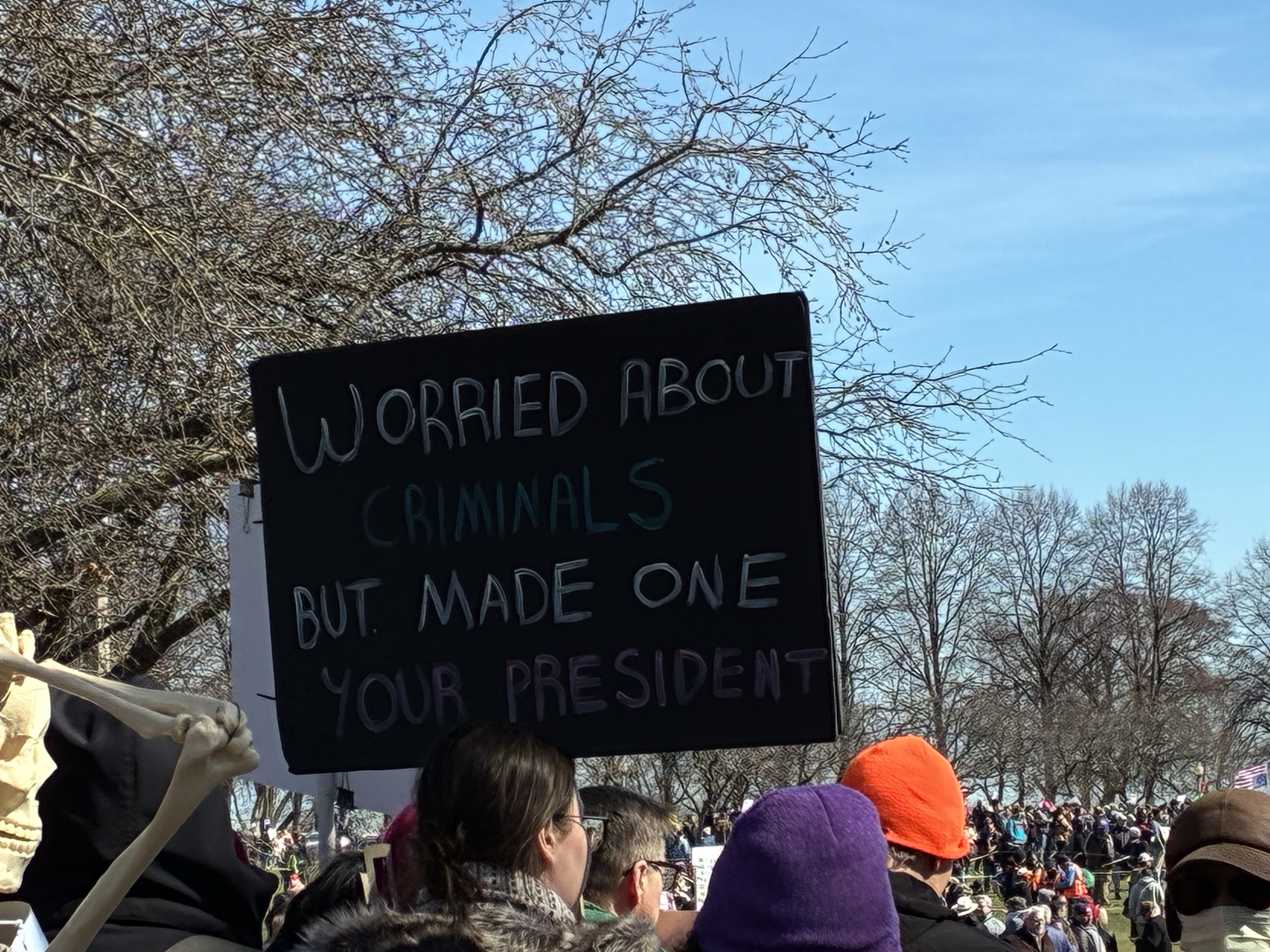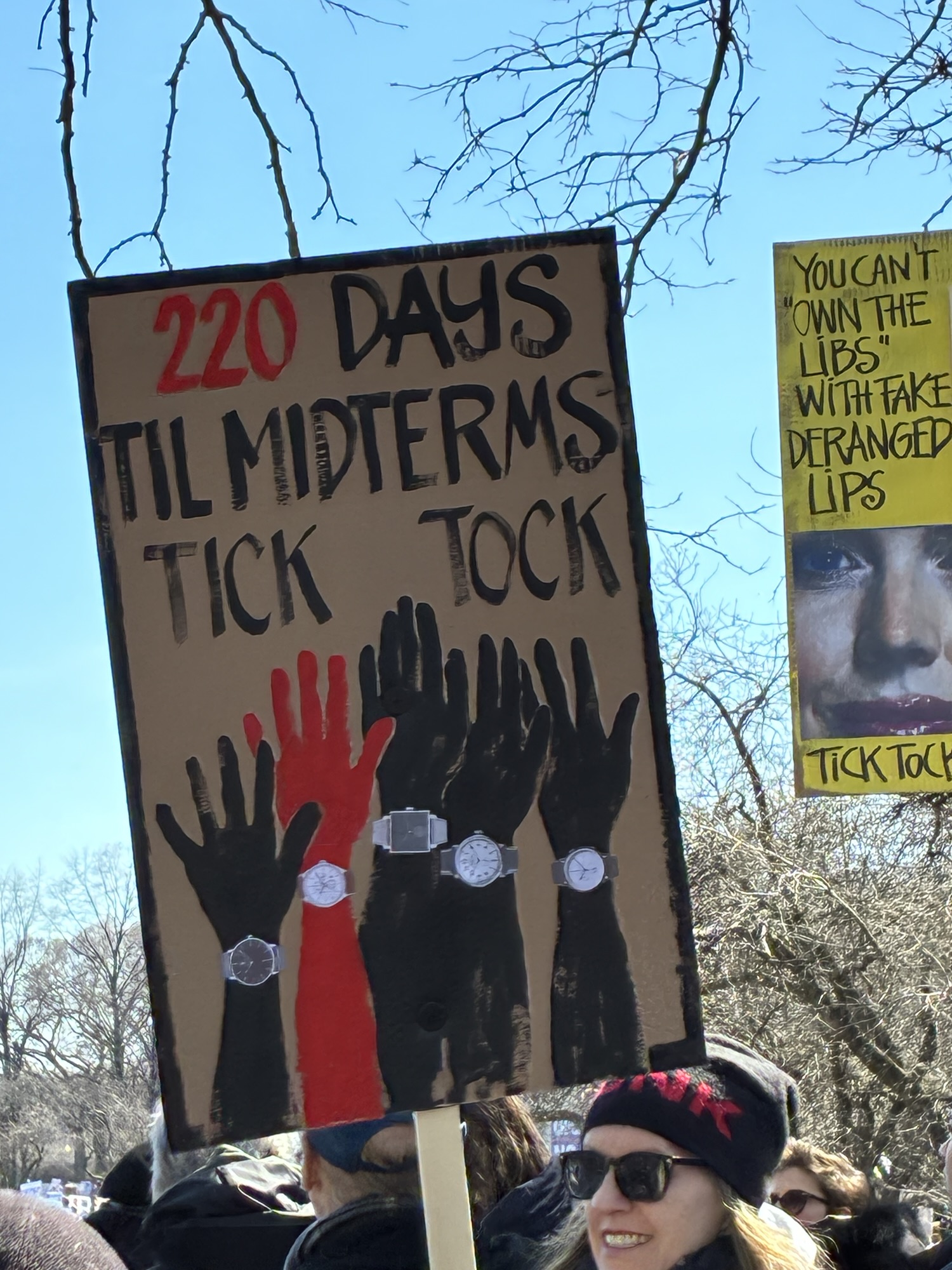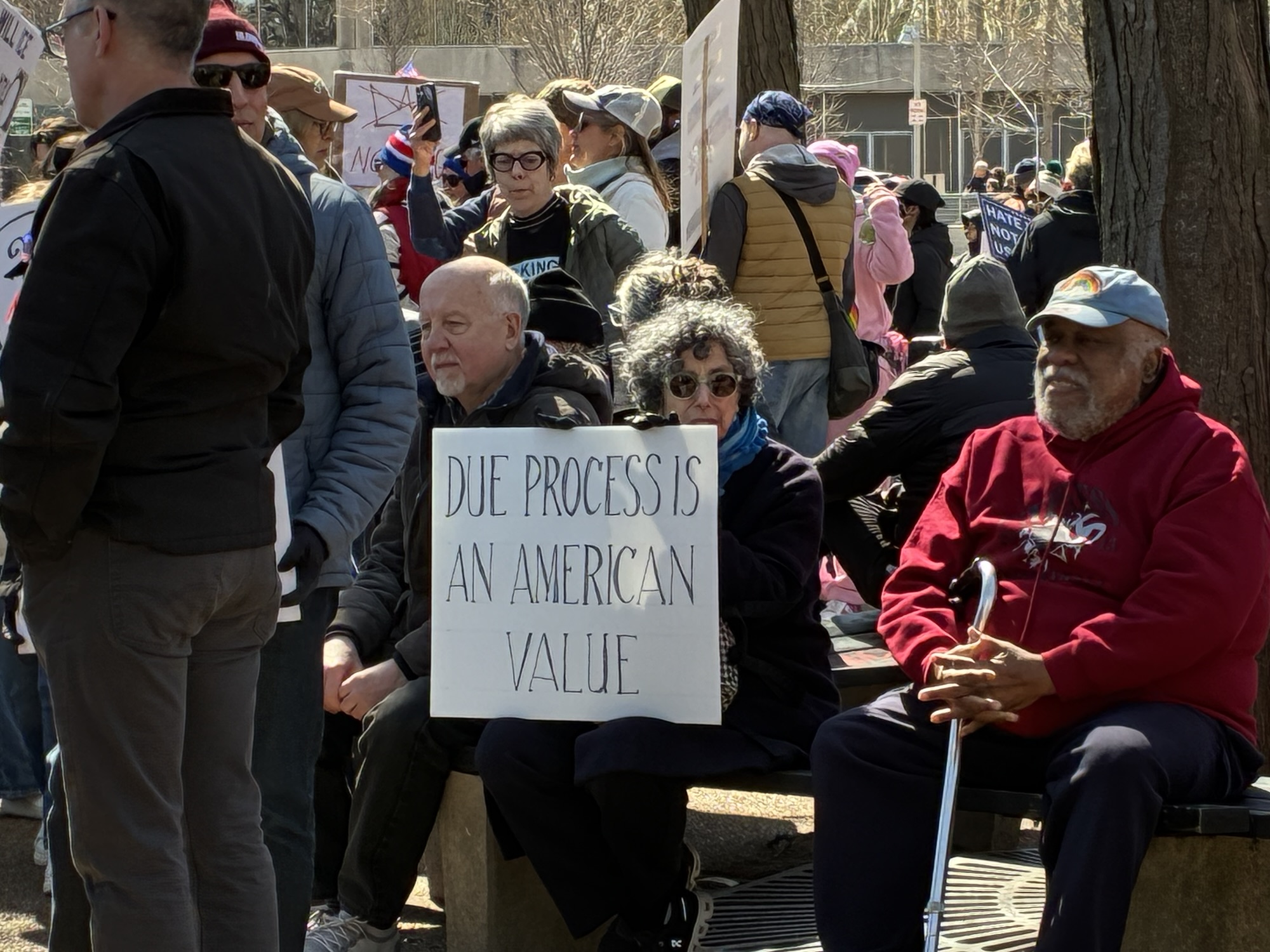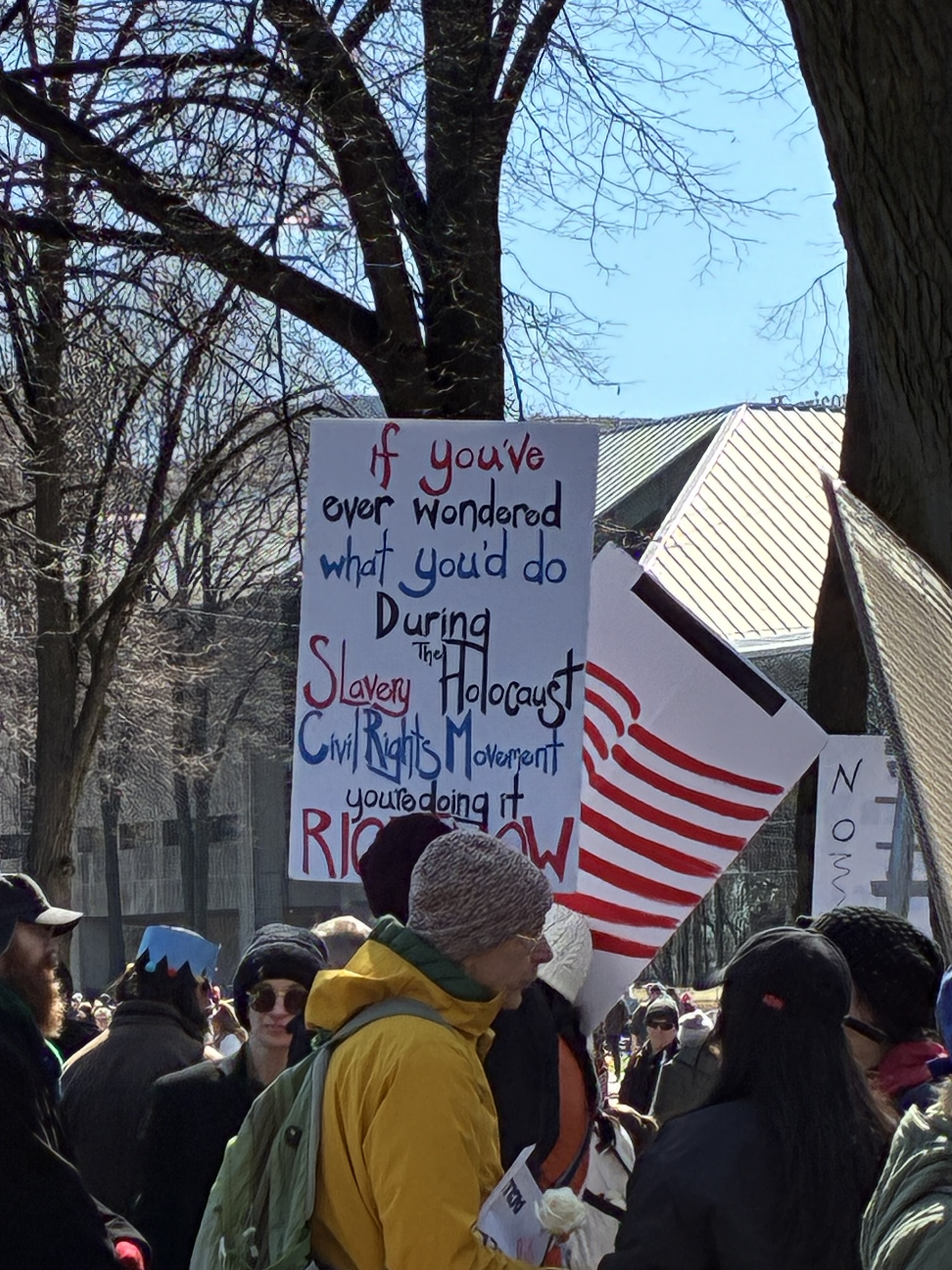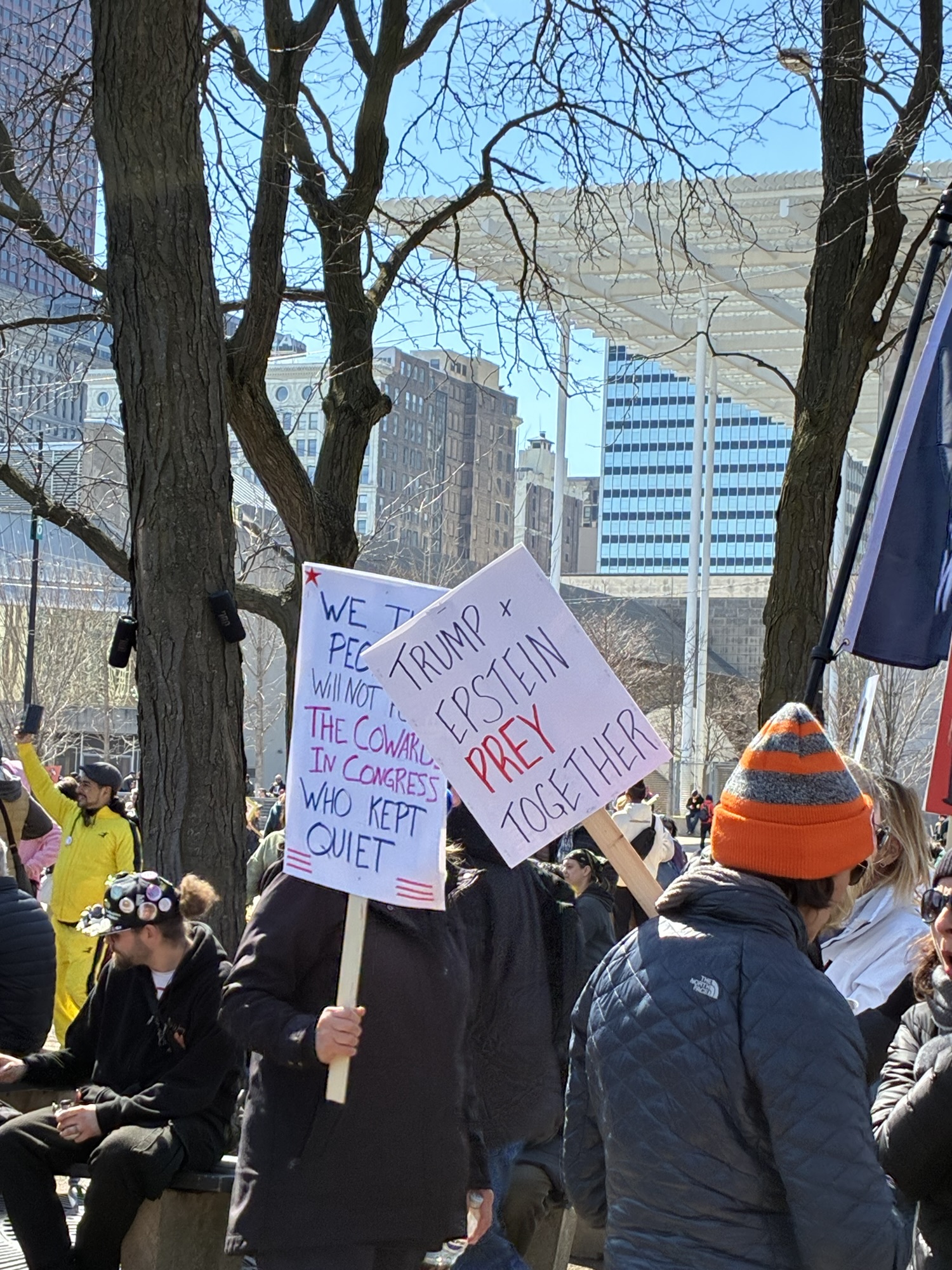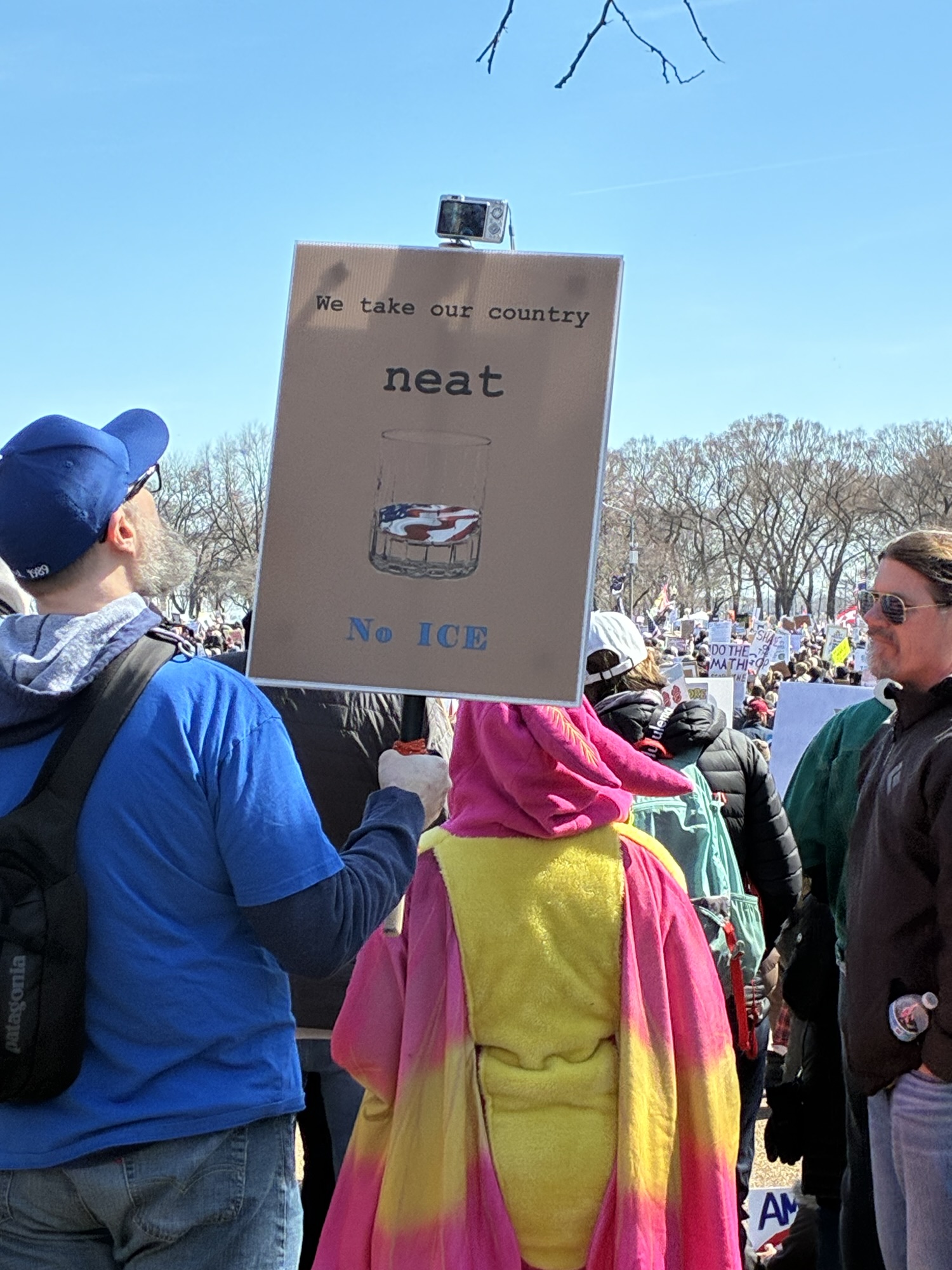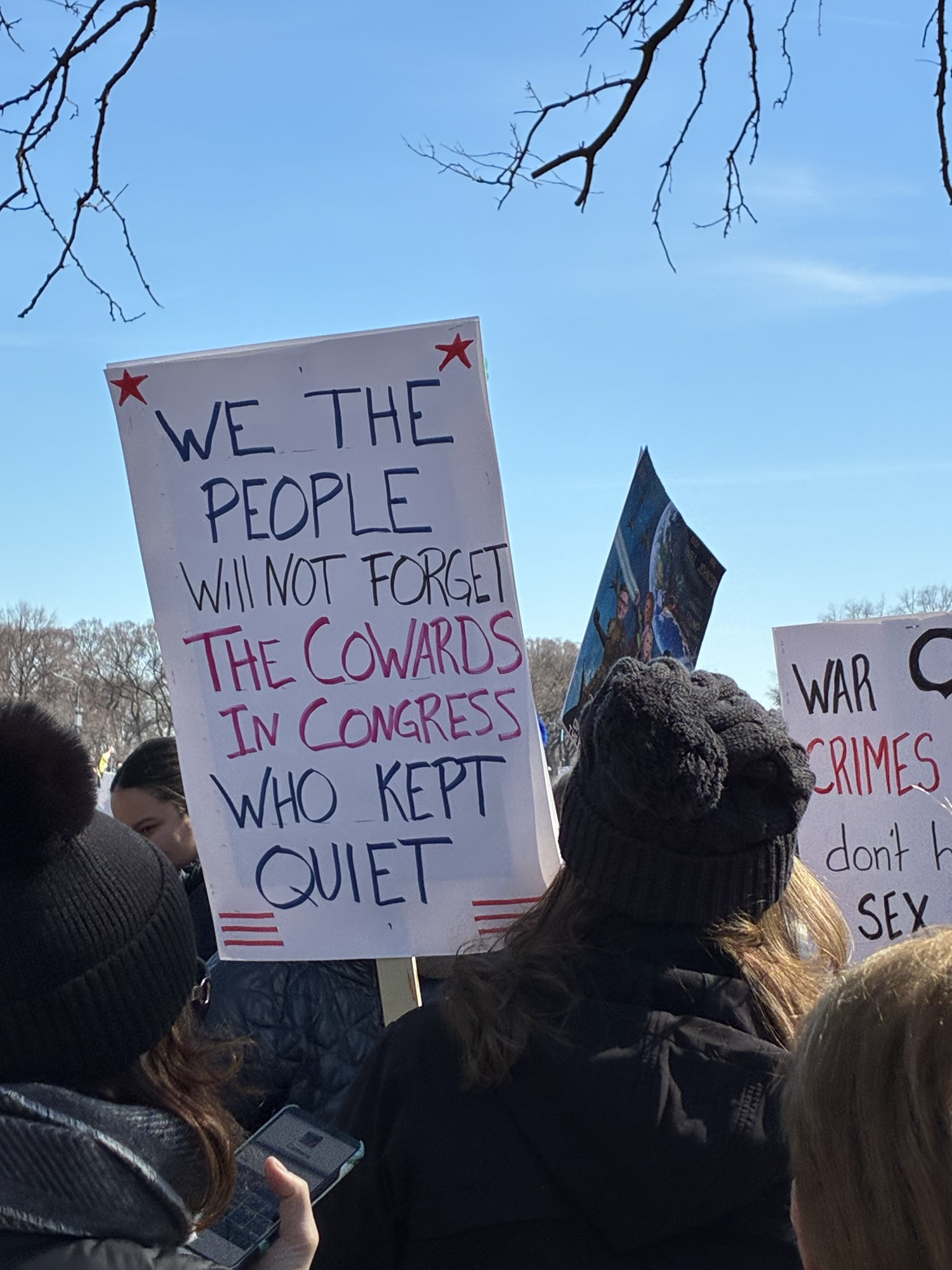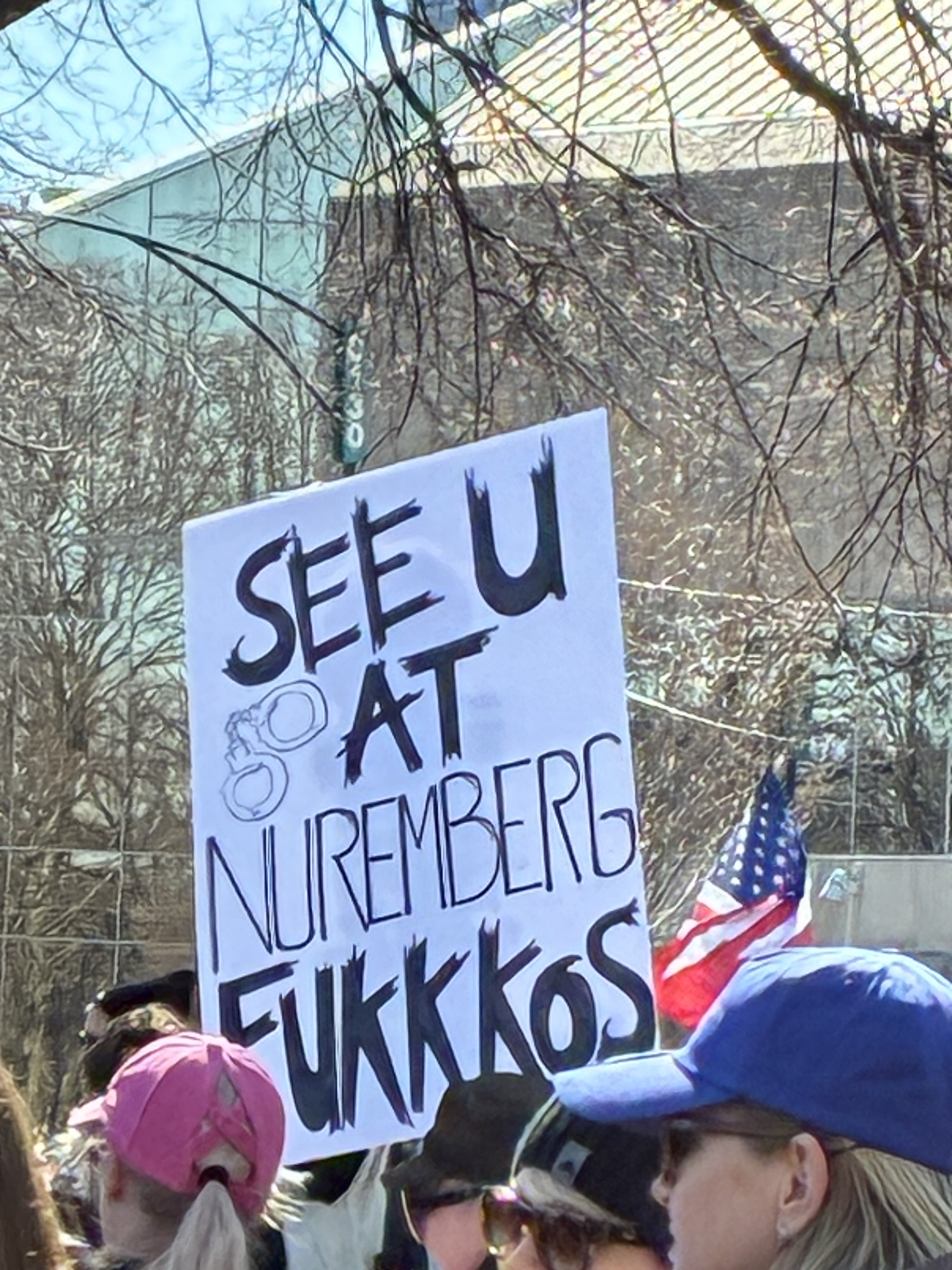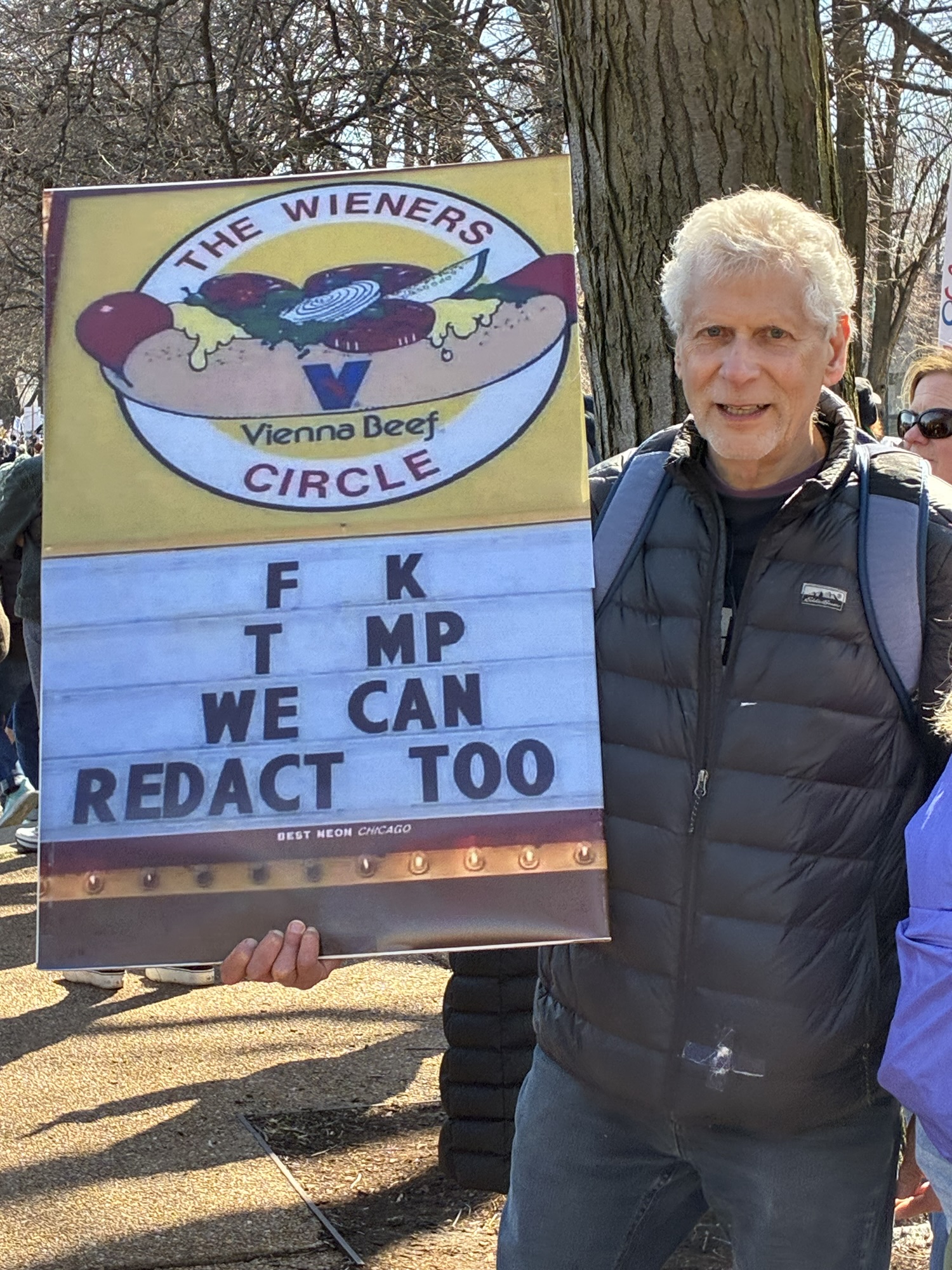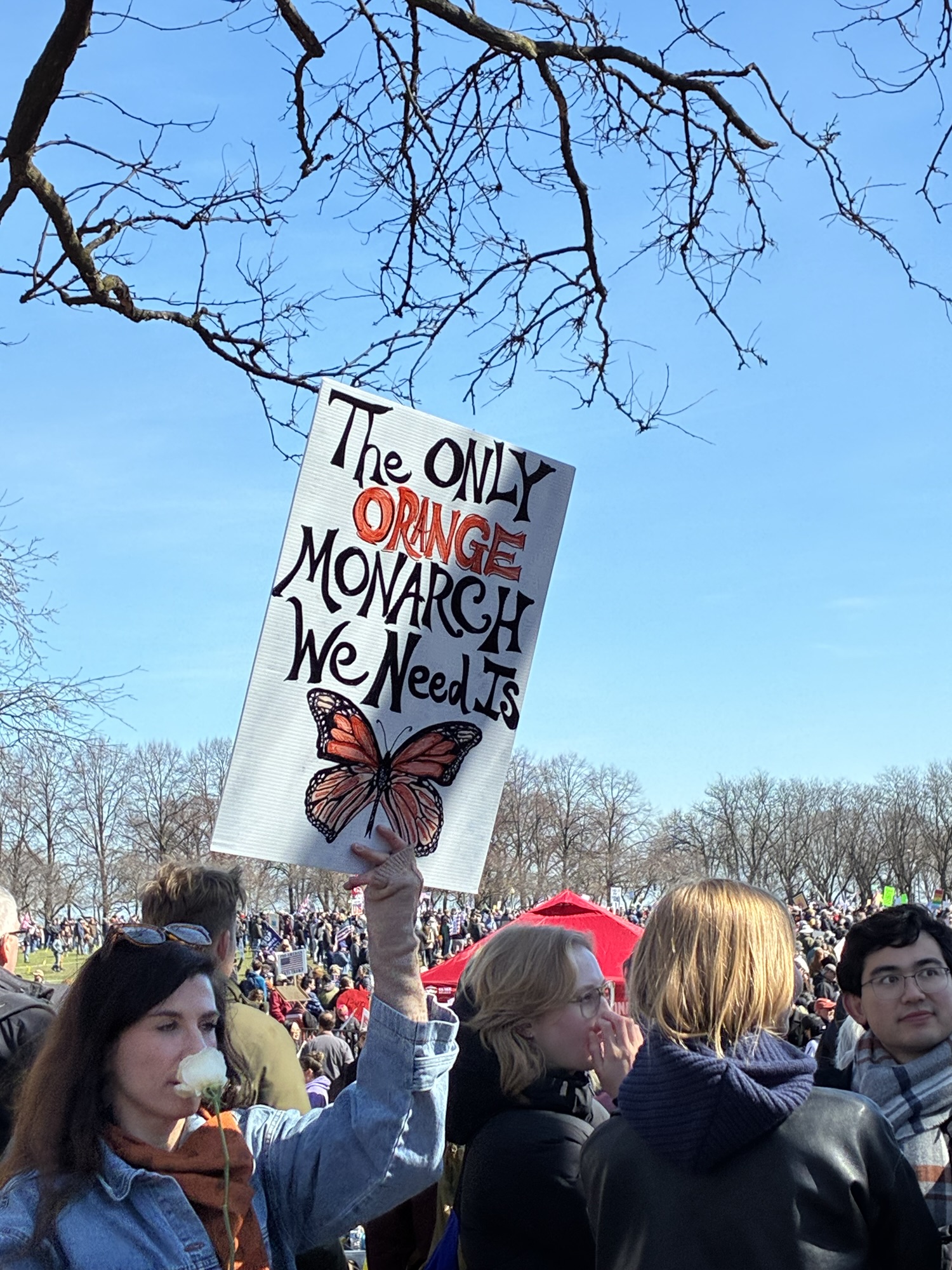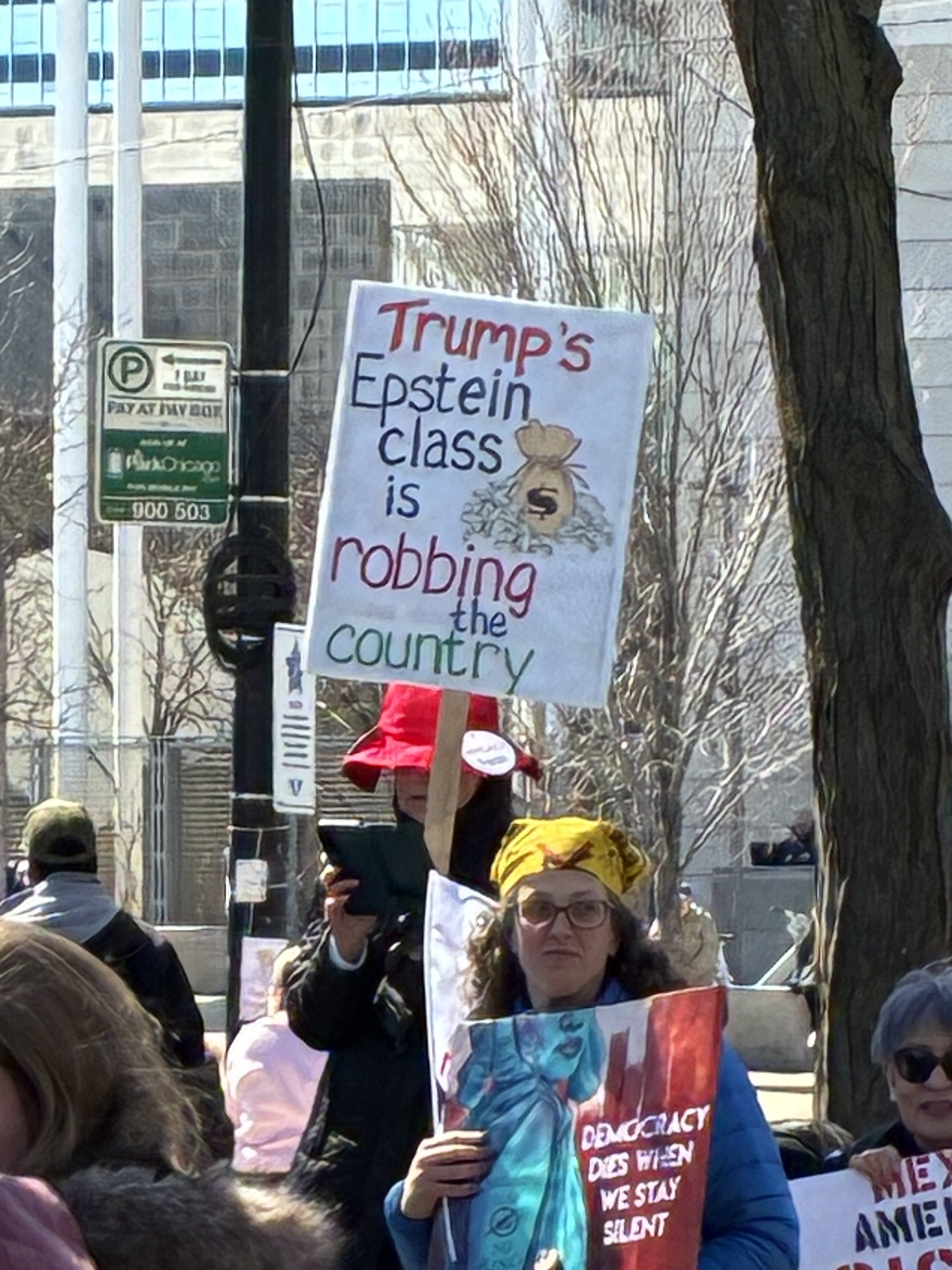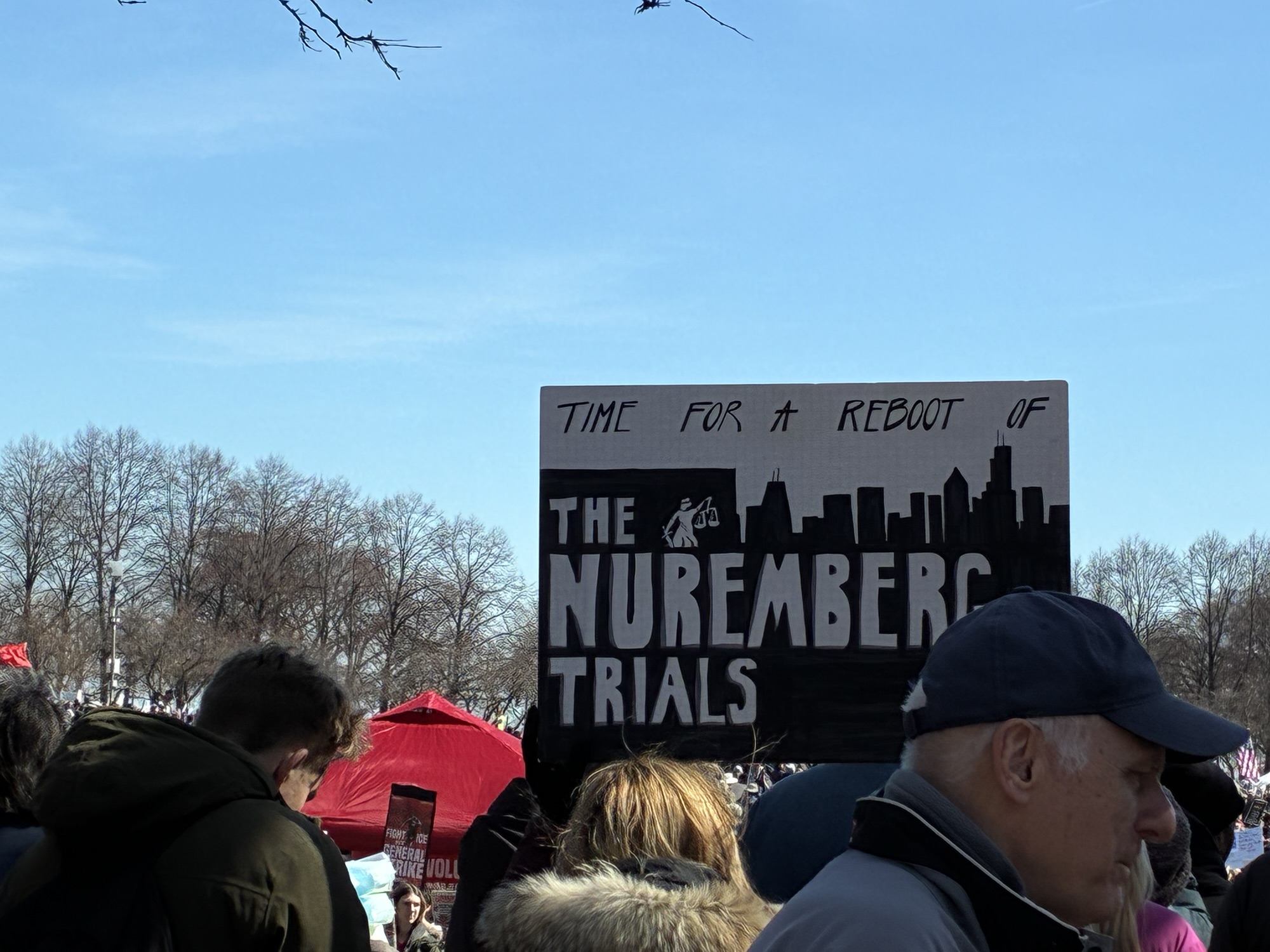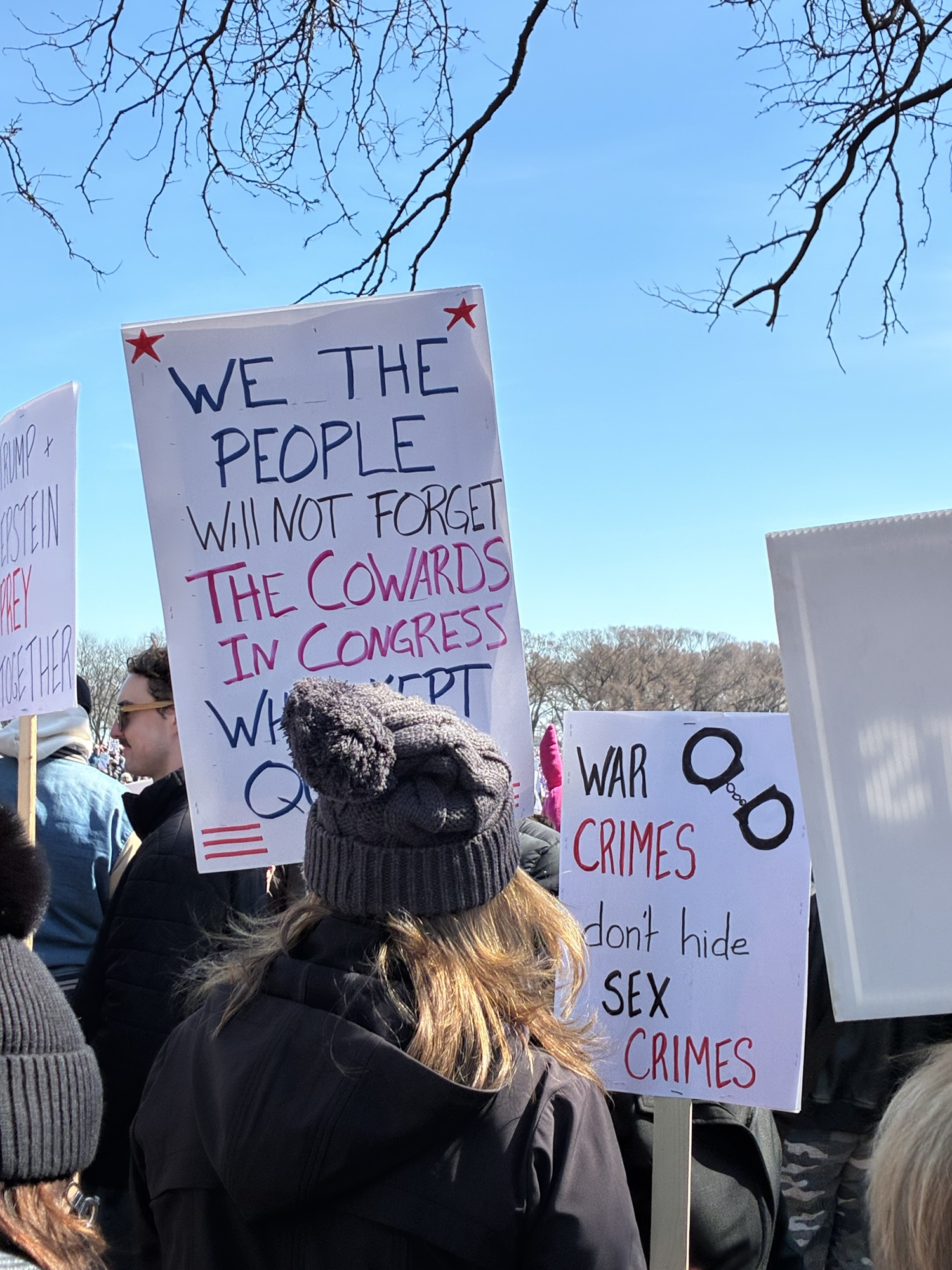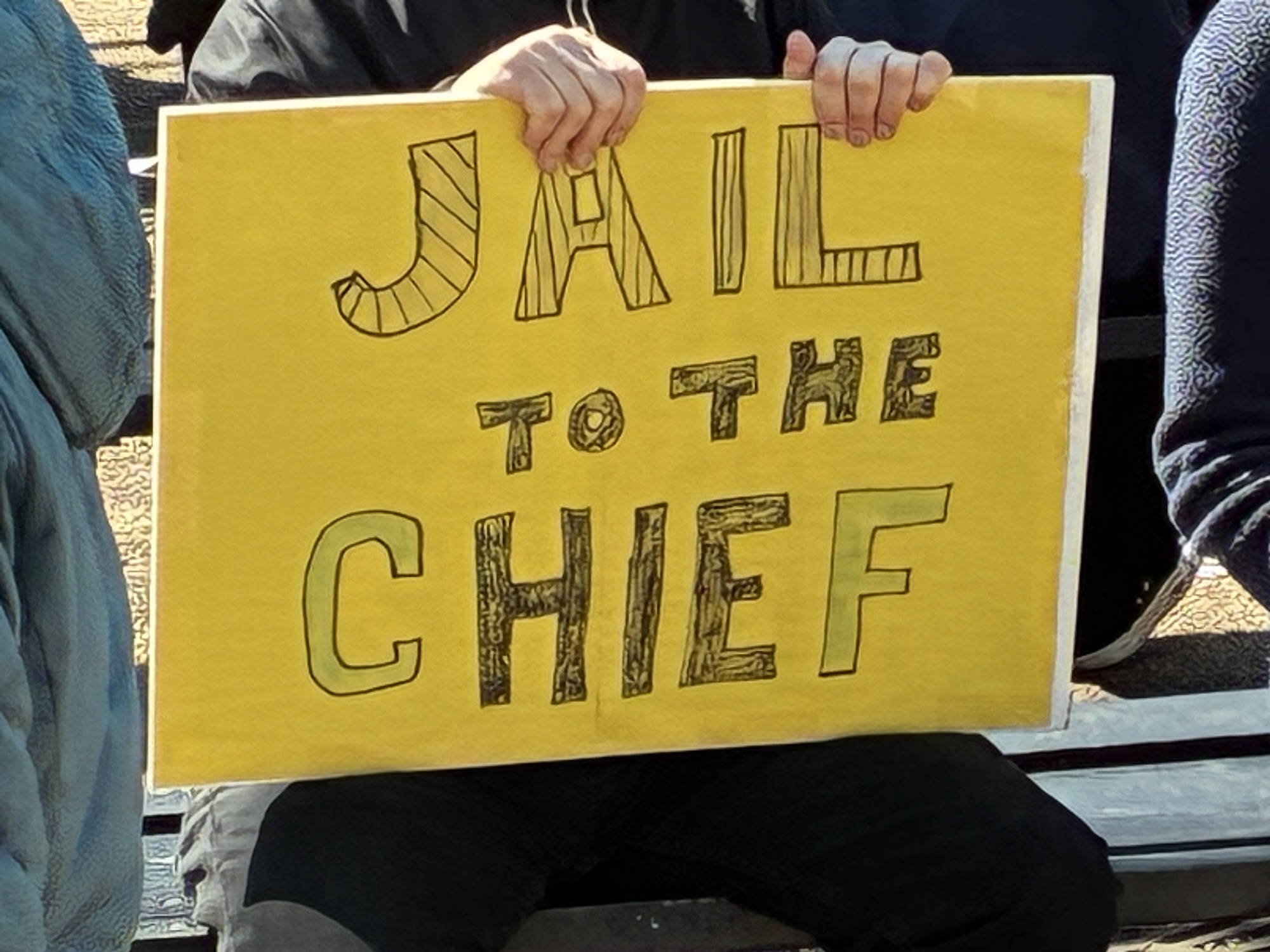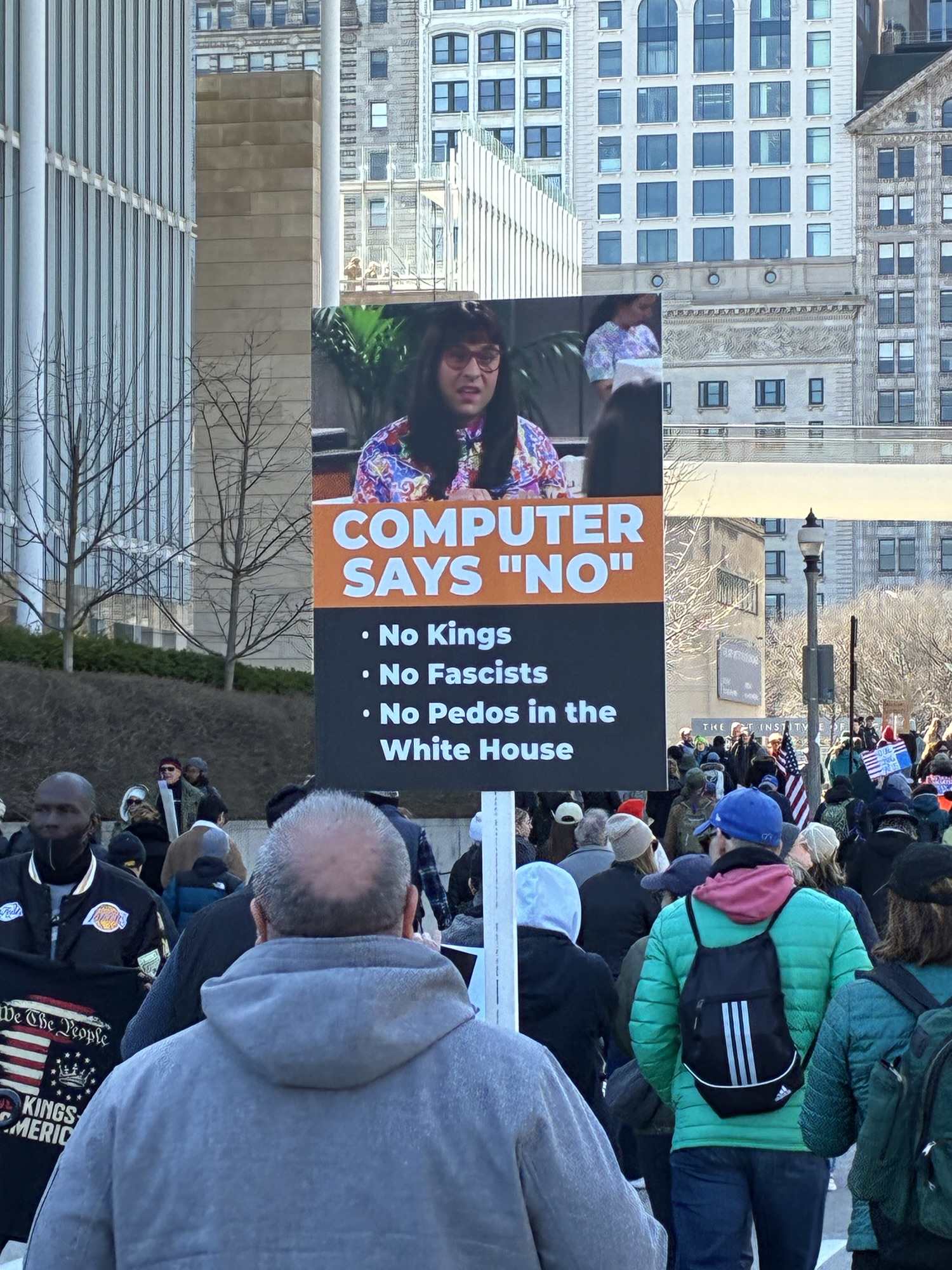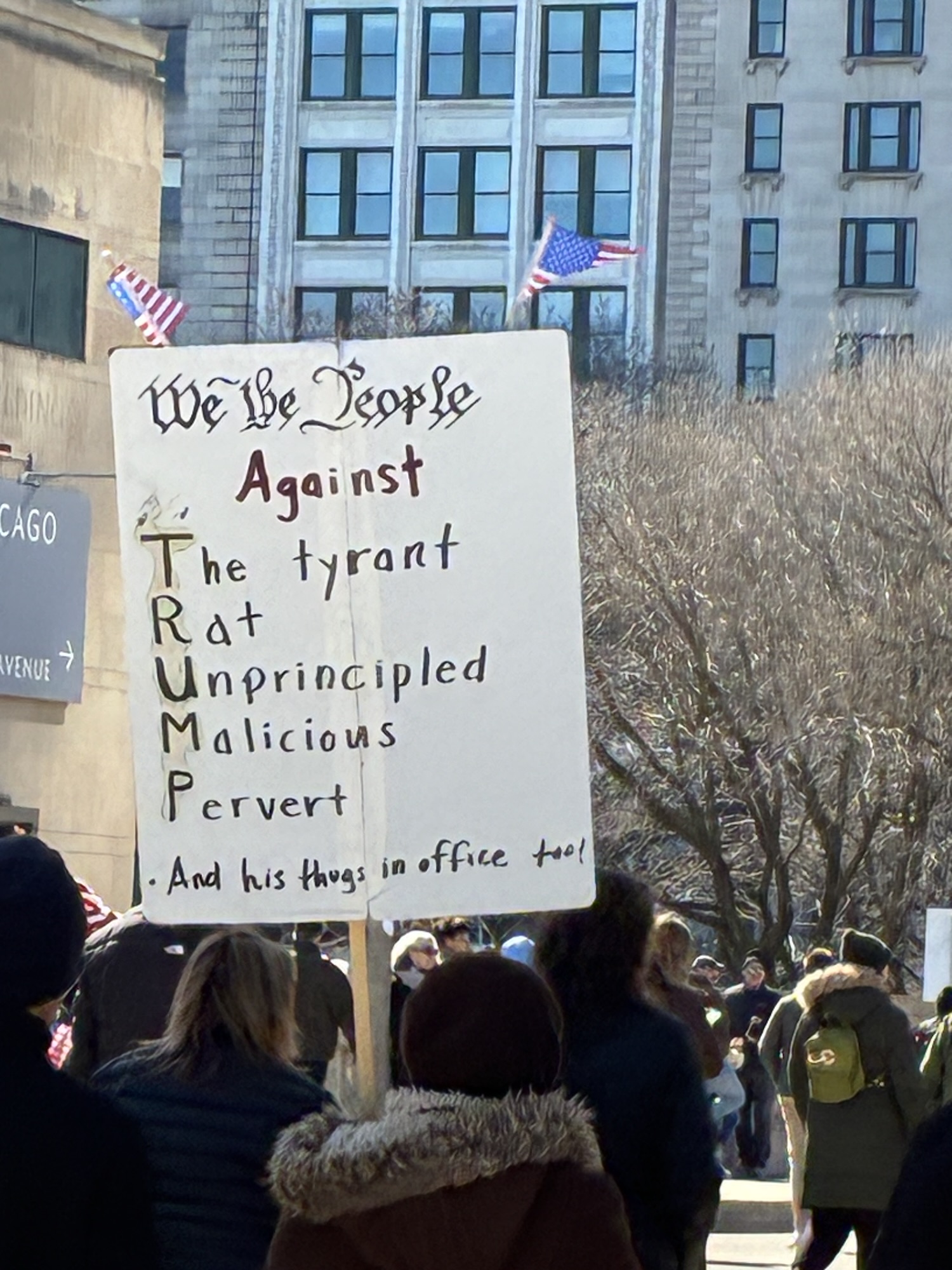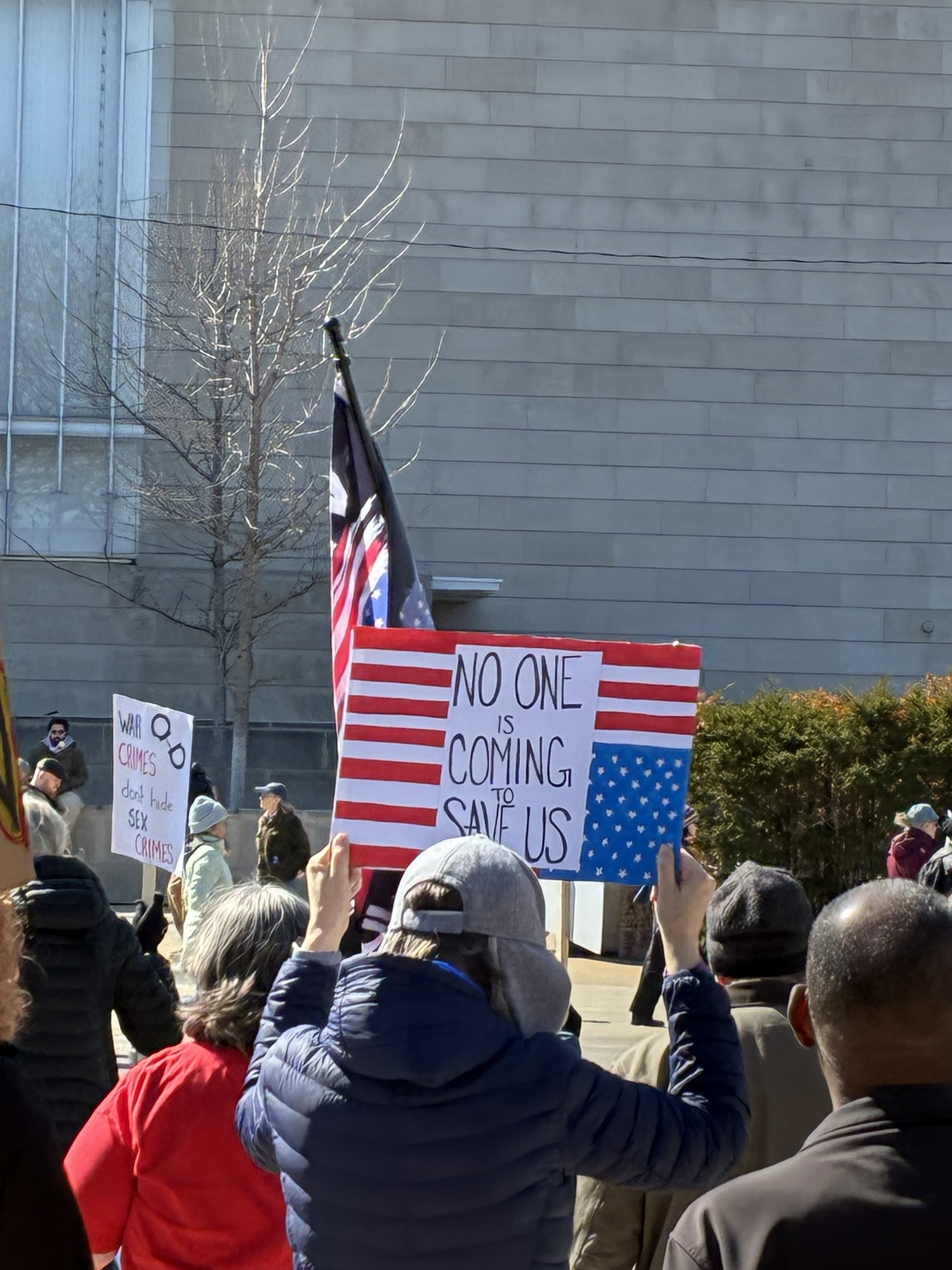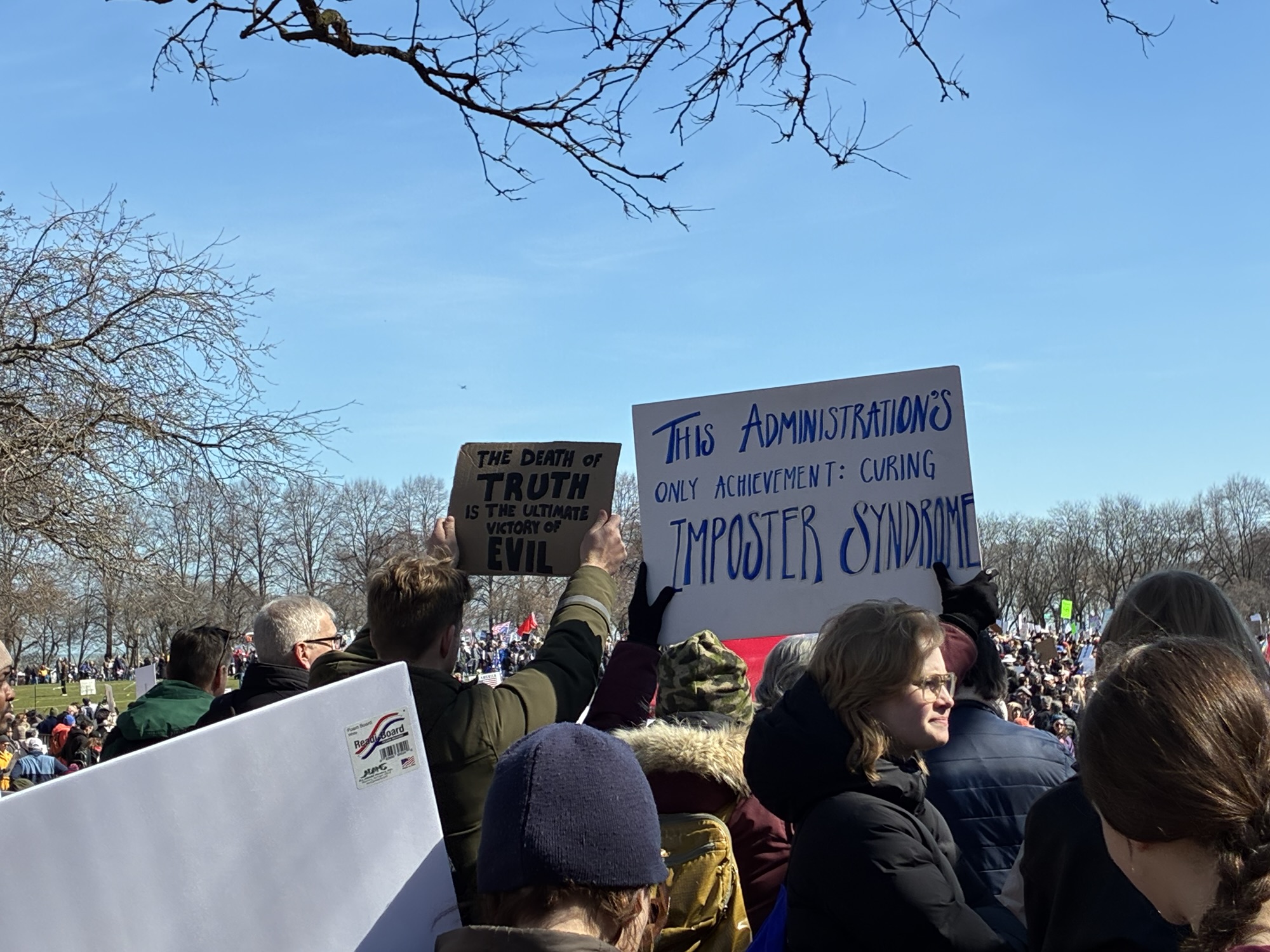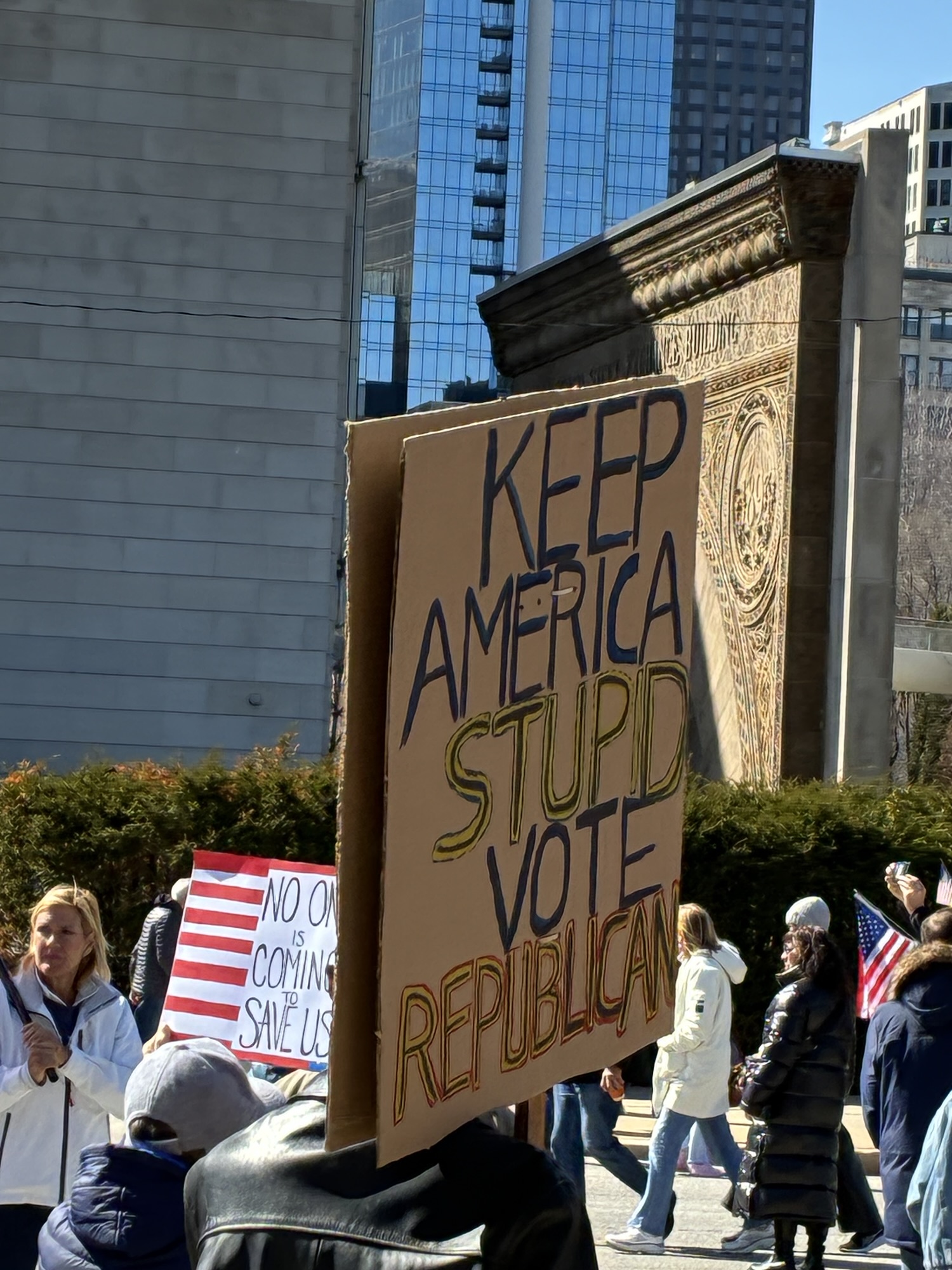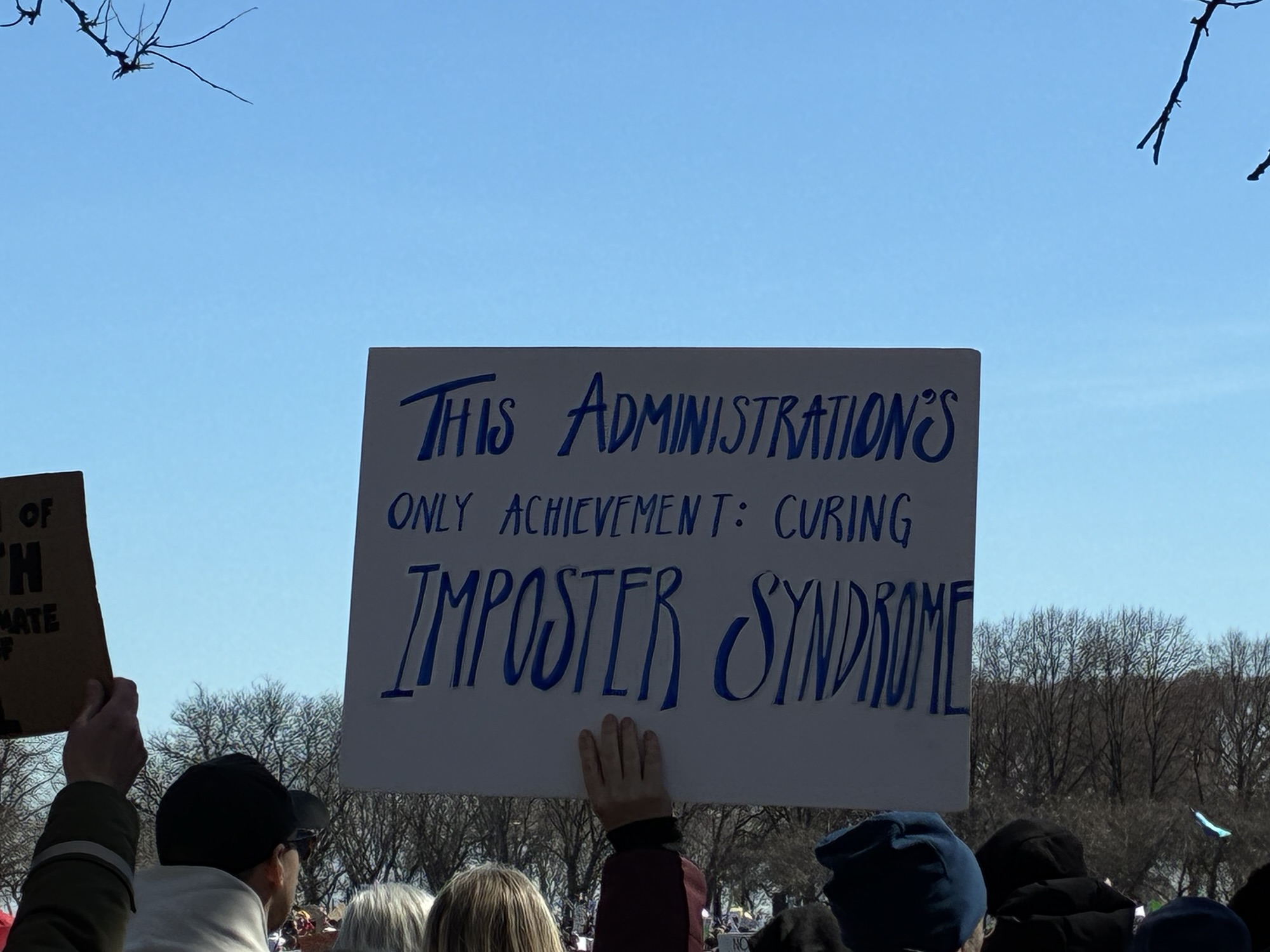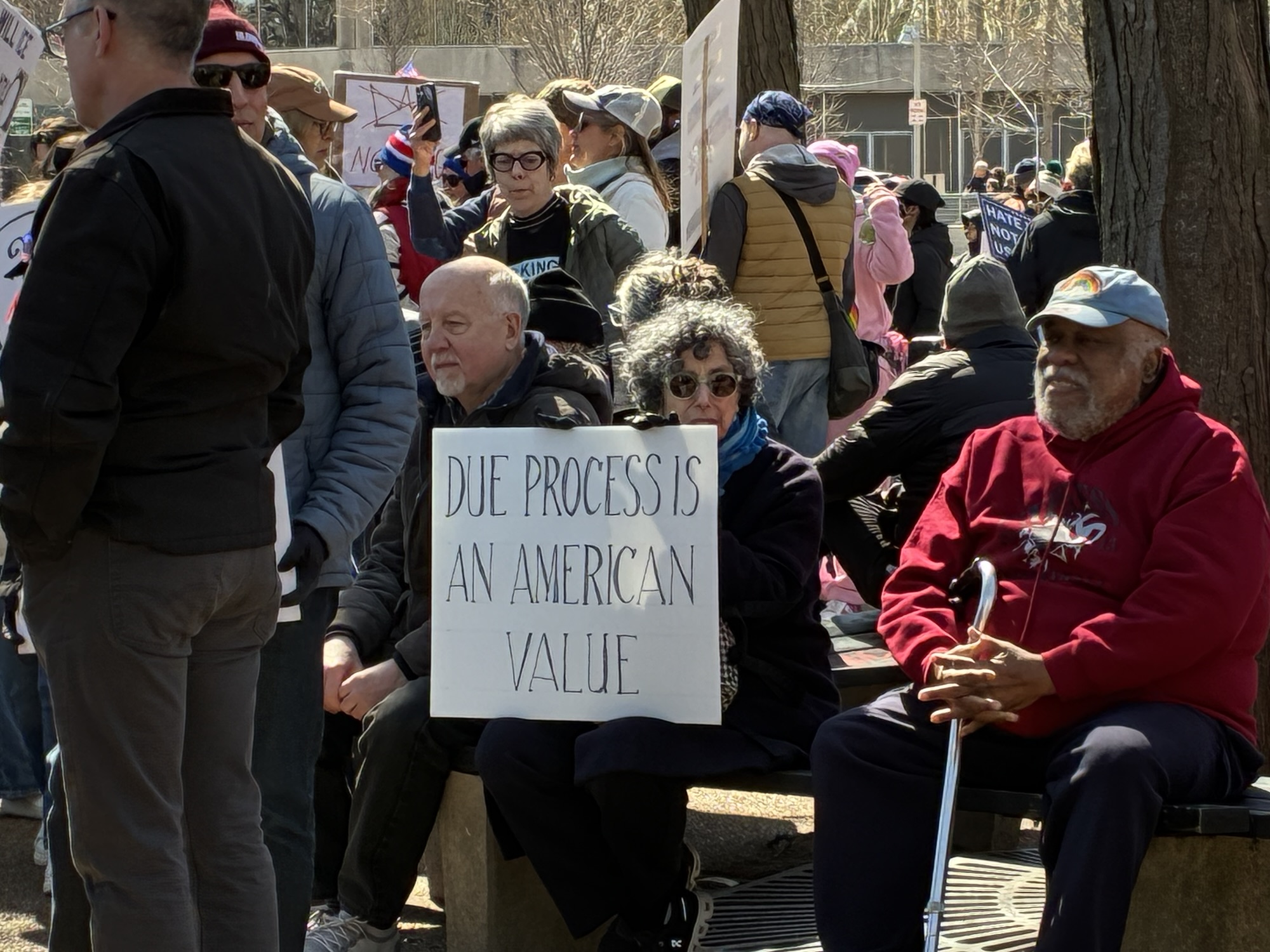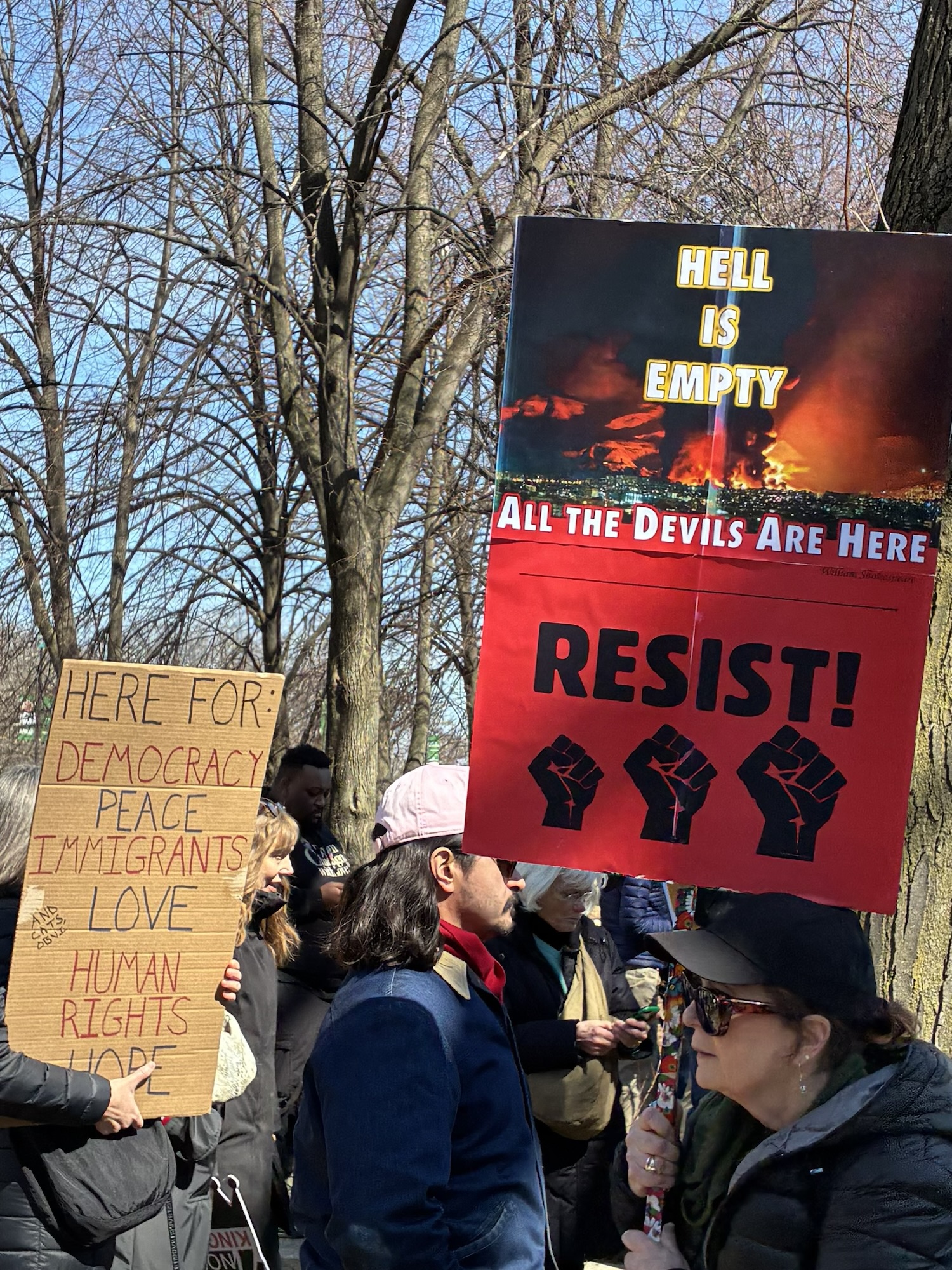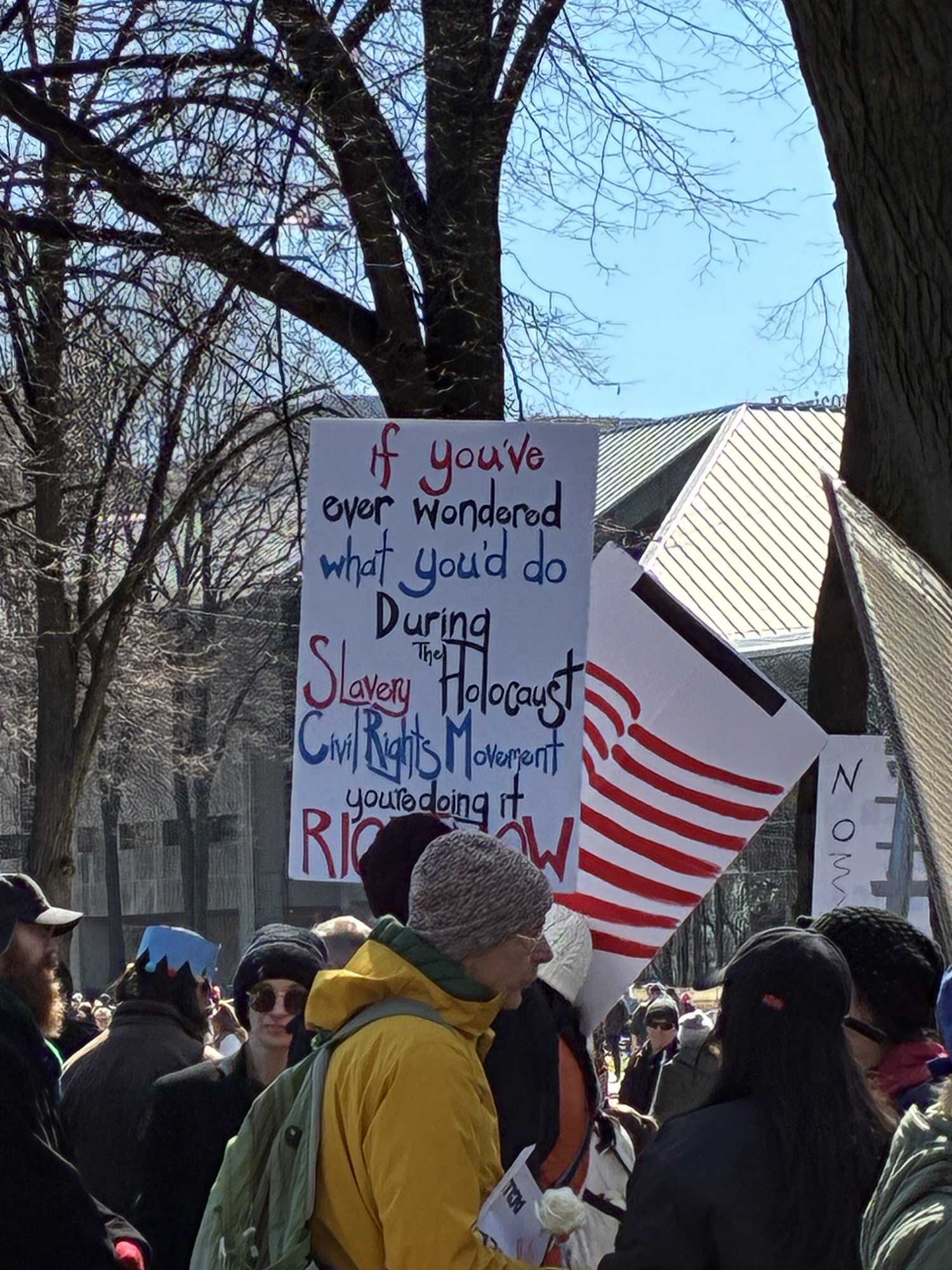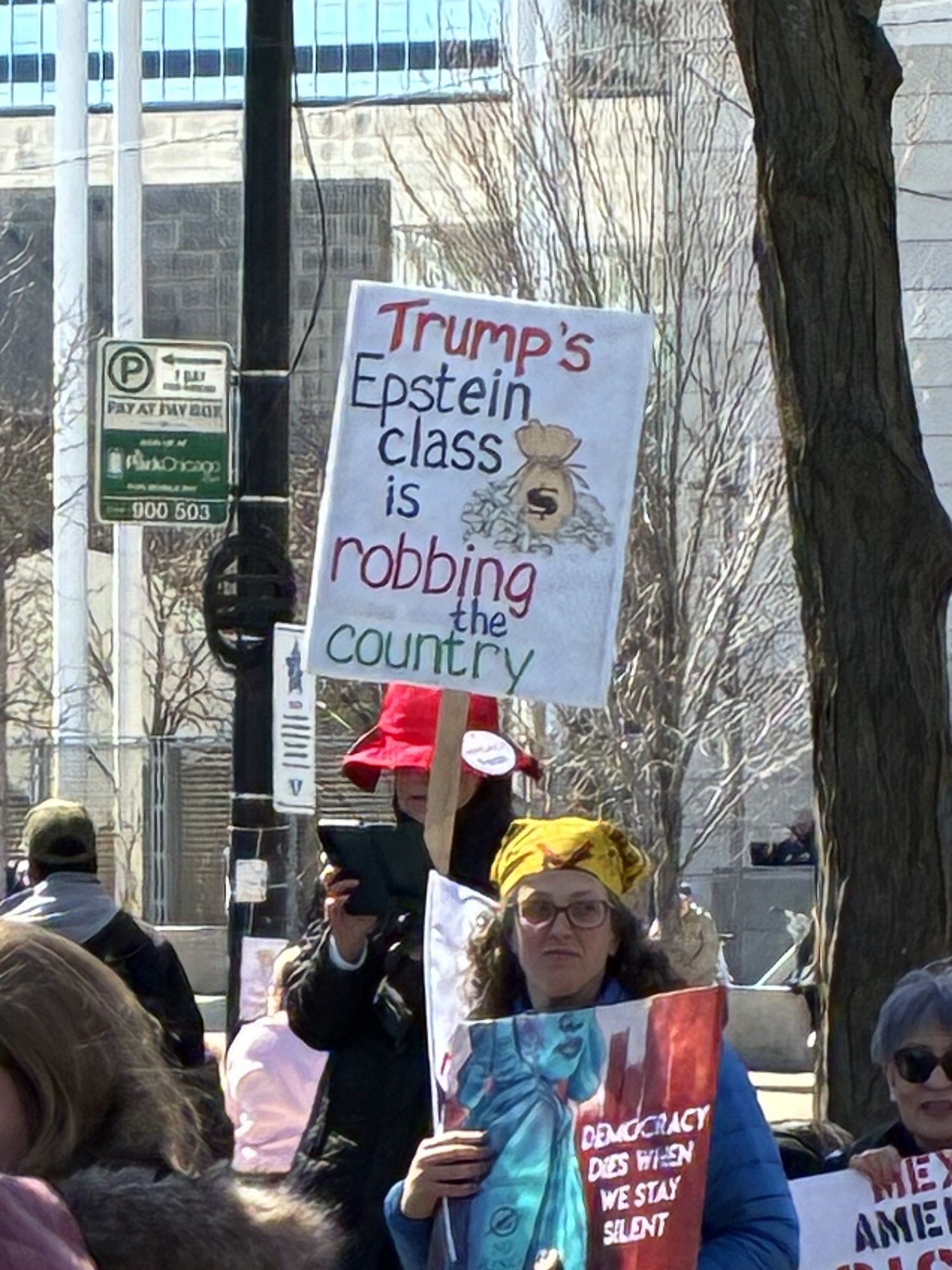
These posters are some of my favorite from the recent No Kings march in Chicago.


These posters are some of my favorite from the recent No Kings march in Chicago.


I discovered this week that my seven-day Chicago Sun-Times delivery subscription rate had increased by more than thirty-three percent in one month.
The Sun-Times rep couldn’t explain such a substantial increase, which she insisted had been shared in an email that I couldn’t locate even in my spam folder. She also couldn’t explain how this cost connected to the monthly WBEZ donations that I had been making for many more years than I had been a Sun-Times subscriber.
Moreover, this increase was discovered in the same week that WBEZ announced its first on-air WBEZ fundraiser of the year, and the first without federal funding. Both are owned by Chicago Public Media, a nonprofit media company that acquired the newspaper in 2022, which made it “the largest nonprofit local news organization in the nation.”
At that point, I had switched my newspaper subscription from the Chicago Tribune to the Sun-Times in support of public media. I’d generally prefer to have public media funded by the government as it is for example in Canada and elsewhere, which although problematic seems more reliable, but I recognize the political realities in the United States.
One problem is that this new Sun-Times seven-day delivery rate is three times higher than the same Tribune rate at least for new subscribers. Another is that anyone can obtain the entire Sun-Times print version in electronic form through its website without spending any money.
In other words, those of us who support Chicago Public Media, and prefer print newspapers, are spending a minimum of three times more than at least some Tribune subscribers. In exchange, we receive what everyone else can consume without any cost.
A bigger problem is that the Sun-Times and WBEZ content seems to have decreased. Reports I initially hear on the radio for example or read in the newspaper will now reappear in the other form in what seems like a relatively recent overlap.
Even worse is the way that new CPM leaders seemed unprepared for the present reality. They both seemed surprised by the federal funding loss, which is irresponsible given how often it had been threatened over the years, and have offered no coherent vision or detailed mission for its future, including one that explains the part that donors play.
I don’t envy anyone in American public media whose existence depends upon the largesse of public. At the same time, I believe that the present state of public media in the United States could offer an opportunity to reimagine a more independent model, one that is both visionary and inspiring.
If Chicago Public Media did that, they would also suggest that they will be good stewards of our support, which could reassure current donors and motivate new ones.
Chicago theater critics seem more entertained by Holiday, which has been extended reportedly by popular demand than I was.
This Goodman Theatre production is a “contemporary adaptation” of a 1928 “classic play” by Philip Berry that had also been twice adapted into movies, including a second in 1938 with Katherine Hepburn and Cary Grant. This version, which was adapted by the late Richard Greenberg and is directed by Robert Falls, has been billed as a romantic comedy but is neither passionate nor amusing.
Julia Kincaid (Molly Griggs) and Johnny Case (Luigi Sottile), two otherwise cautious people who meet at a no-cell phone retreat, decide to marry allegedly before Johnny realizes that Julia is a wealthy Seton, and that he already knows her siblings Linda (Bryce Gangel) and Ned (Wesley Taylor). Julia’s widower father Ed (Jordan Lage) after having Johnny investigated invites him into the family banking business.
Julia, who is like her father, is intent upon becoming a successful businessperson and launching her own product line. Linda in contrast is still mourning their mother’s death, and Ned’s self-destructive behavior, whom she hopes to rescue.
Julia thinks she is marrying a similarly committed professional, yet discovers that her fiancé is searching for meaning. Meanwhile, Linda and he connect, and when he cannot compromise his plan run off together once Ned has convinced her to chase her own happiness and leave him in their family home.
The plot has all the conventions of a romantic comedy. The characters however are unconvincing in their attraction, and the performances are rarely more than amusing. The problem in part is the script although the actors seemed to be still searching for their characters.
The set (Walt Spangler) and costumes (Kaye Voyce) were appealing but not noteworthy, especially given the budget. Other elements, such as the more current music selections and even a virtual assistant appearance, seemed jarring and out of place.
Chicago critics generally praise production primarily in terms of the adaptation as if it alone is sufficient reason to see it. This version might have shifted the focus as one critic suggests from Johnny to the siblings, but it never sells the central romances among Julia, Linda, and him, which even this critic acknowledges.
Moreover, it cannot get to its central themes, which are worthwhile, if it does not offer a plausible premise, Why would these characters, who otherwise conduct online searches for other information or even speak smart speakers into streaming music, not in fact know more about the people to whom they’ve pledged to devote their lives, and their fortunes, for the foreseeable future?
I’m not suggesting that attending this performance was an awful experience, and actually did want to see more of the central question. This same critic thinks it’s the “essential paradox” of “the adult children of the American urban rich.” I however believe that it’s the amount of money that is too little, too much, and just right.
In this, Julia and Johnny disagree. Johnny wants enough, but Linda wants as much as she can get. As such, these two characters represent a challenge within the dominant economic in the West, and most of the world, a system that has never achieved its potential for most and yet is ruining the environment for all.
This debate is lost in the muddled mess that is this production at least when I saw it. As a result, its extension surprised me until I wondered whether it might be a way of eliciting desire in more people to see it.
Chicago theater might be struggling in ways that are different now than usual. Still, its critics aren’t helping matters when they won’t offer more forthright accounts even when they’re writing about a late playwright, an accomplished director, and a mainstage of this scene.