Category: local

  • Theater Today

    I attended the final production of Manual Cinema’s The 4th Witch this past weekend, and was elated at the outset.

    I had forgotten how thrilling live performance can be. I unfortunately had sufficient time throughout the rest of the performance to contemplate the relative absence of theater in my life.

    Its presence dramatically diminished once I left a theater awards organization. For eight years, I had been a theater judge, and was seeing more than one hundred, and sometimes more than two hundred, different productions each year.

    I left the organization as a result of its lack of professionalism, and its resistance to professional development, and its leaders’ lack of integrity and ethics. I was also was concerned about the amount of time that I was spending at less than noteworthy productions, which were hours of our lives another judge reminded me that we’d never get back.

    For the first year or two, I resumed my theater subscriptions, which meant that I was attending fifteen to twenty performances a year. That effectively reduced my attendance rate, which allowed more space and time for other activities, but inadvertently increased the costs, which now included money. A single theater subscription, which could include four, five, or six performances, could cost several hundred dollars a season even for preview performances or midday matinees.

    These increased costs I admit could have highlighted the diminished quality, or could have made it more salient. Such a trend had been evident when I was still a theater judge, especially after the pandemic when theaters rushed to respond to the loudest calls for a more woke world.

    Such calls could have been coming from those who were first to return to theaters, or the ones who most often attended shows. Regardless, these calls seemed to pressure theaters into featuring the same systemic racism themes that had a long presence even before the 2020 “We See You, White American Theater” missive.

    Theater as the most synthetic of art forms has a tradition of featuring such themes, and pushing social and artistic boundaries. Such a tradition is evident in the United States, as illustrated for example in August Wilson’s call for tradition and change, and even here in Chicago, which has made numerous contributions to theater both across the United States and around the world.

    Post-pandemic American theater however seemed more concerned about placating patrons, and in so doing became too timid. Too often, snapping, and easy laughs, rippled across too many darkened theaters in response to one intellectually and emotionally insulting scene after another.

    Most theaters, or at least the ones I had long been attending, seemed to reinforce mainstream liberal mentalities, and to refuse to reckon with the never-been-woke realities of too many social justice initiatives. So I stopped subscribing.

    I still cannot rationalize these costs, especially now that I’m retired. Maybe I wondered this weekend I never will.

    The challenge confronting theaters is to some extent understandable, and a perpetual question in debates about the economics of art. Realistic answers require a careful balance of finances and function.

    Regardless, American theater could confront the political economies of theater today, and rebalance its approach in ways that don’t compromise accessibility and affordability and challenge and change. To this end, Chicago again offers ideas, such as the Hull House approach or the little theater movement in the early twentieth century or the little theater movement soon thereafter to the storefront tradition in the late twentieth- and early twenty-first centuries.

    These and other approaches offer accessible and accountable art, ones that theaters here in Chicago and elsewhere would be wise to consider. And these could mean more thrilling theater for me too.

  • The Bigger Political Problem

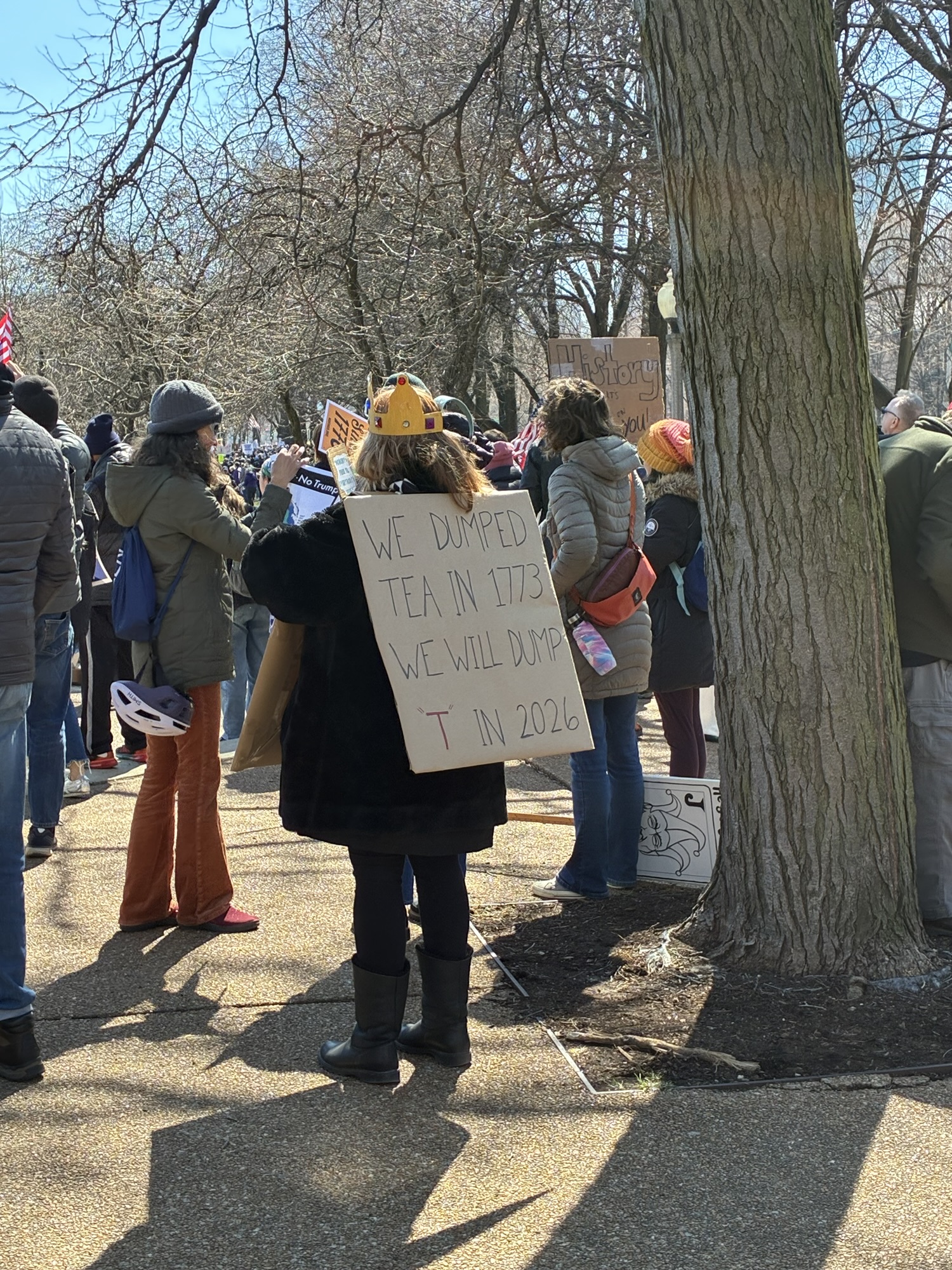
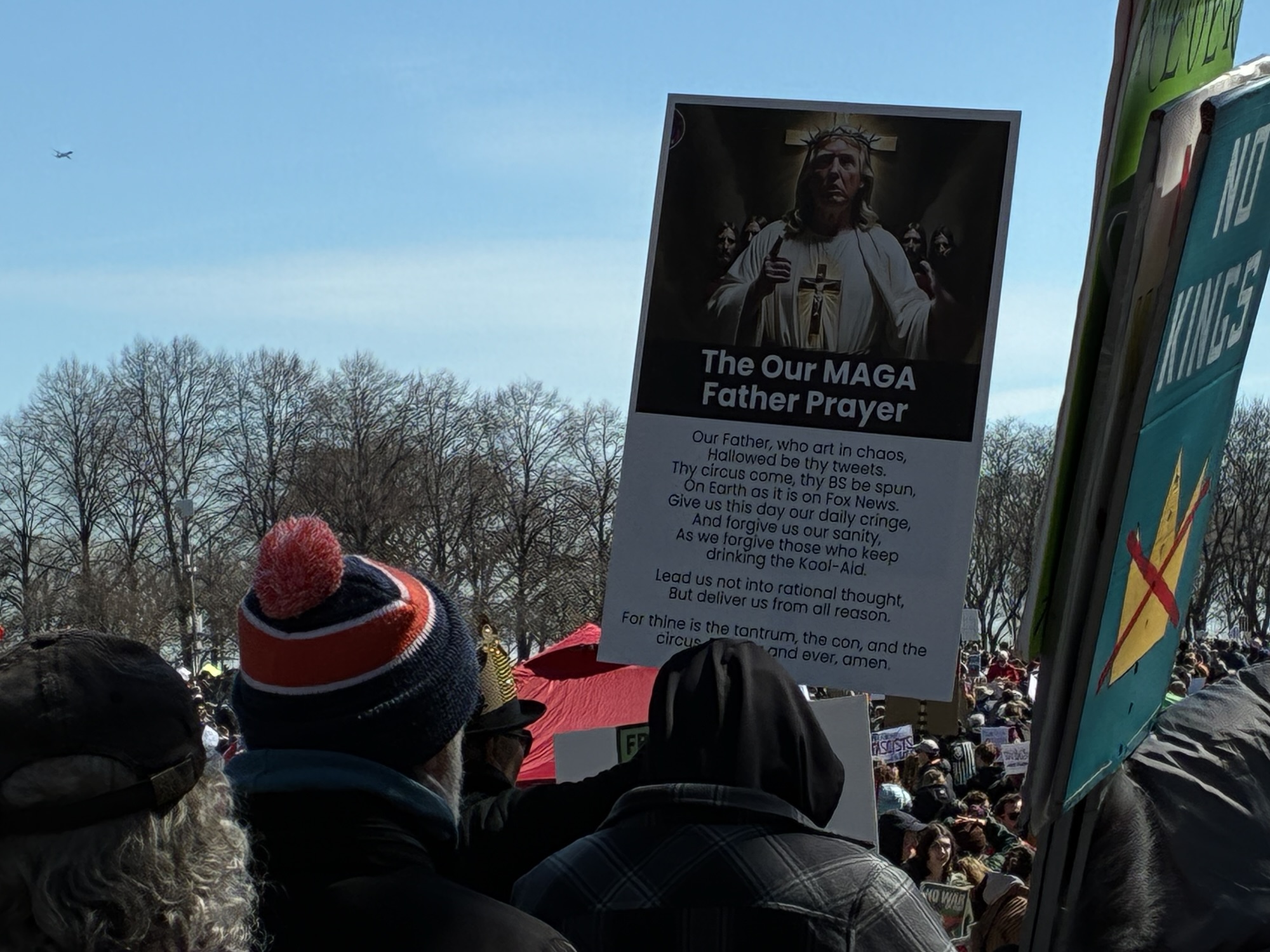
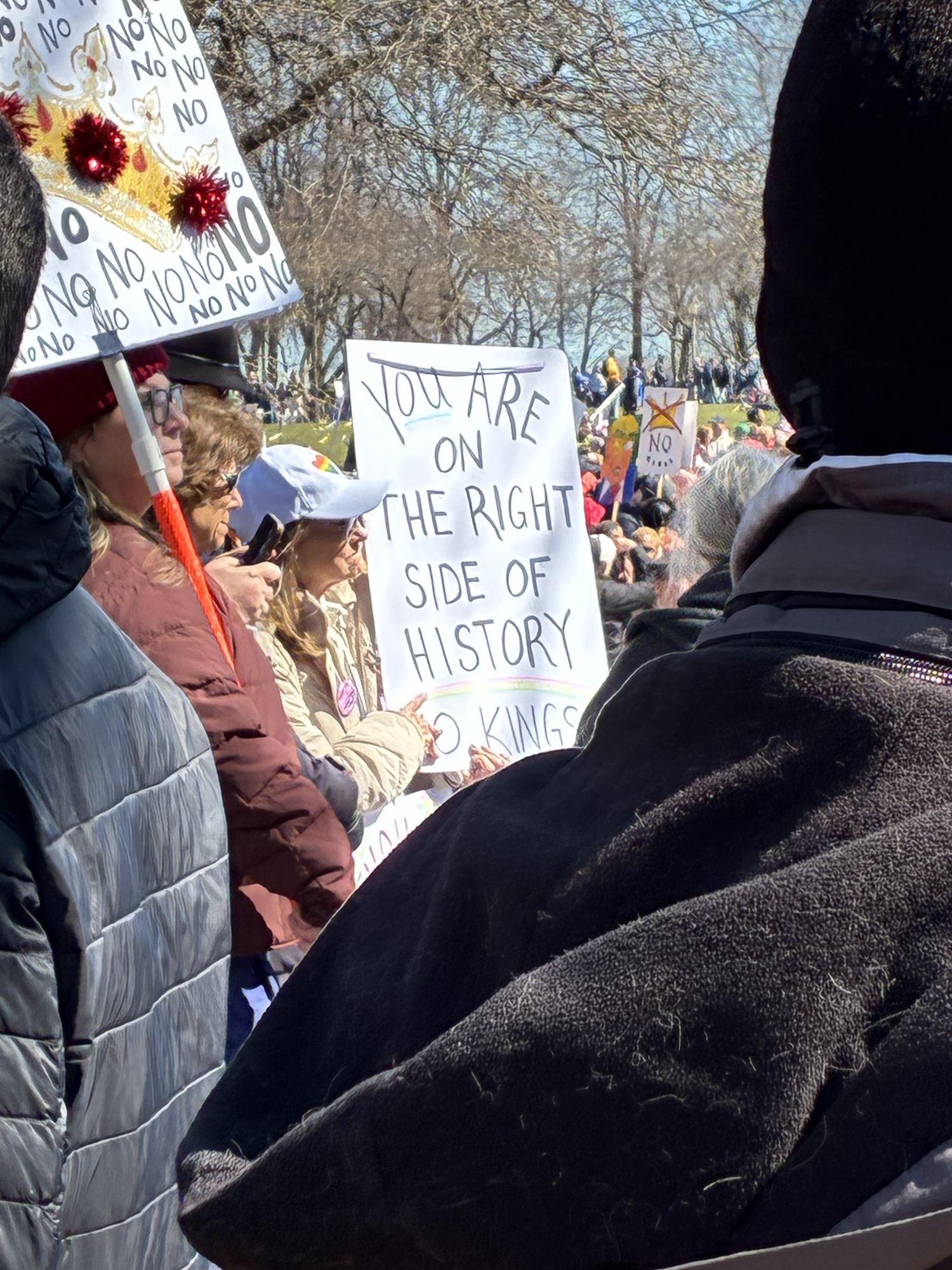
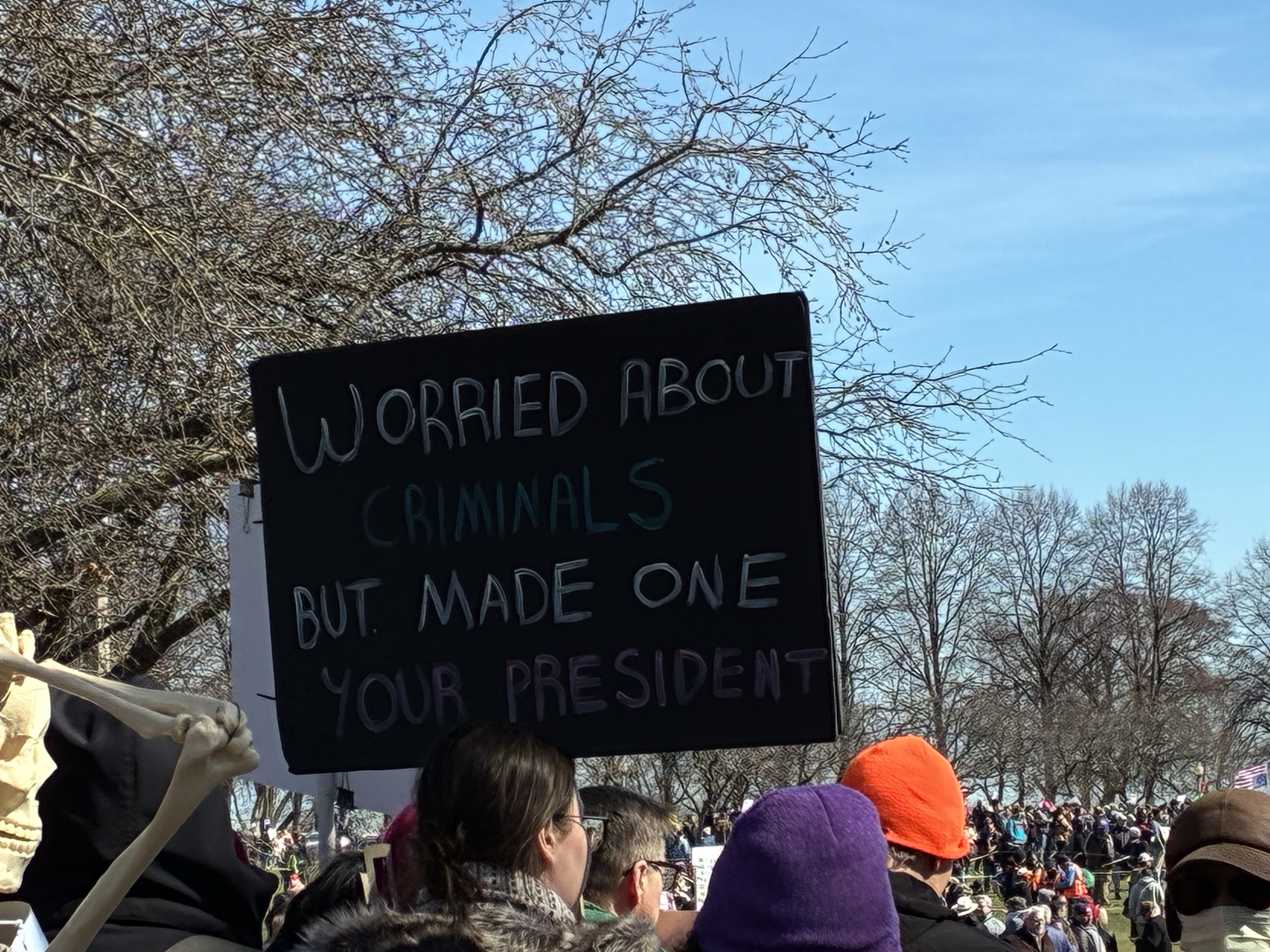
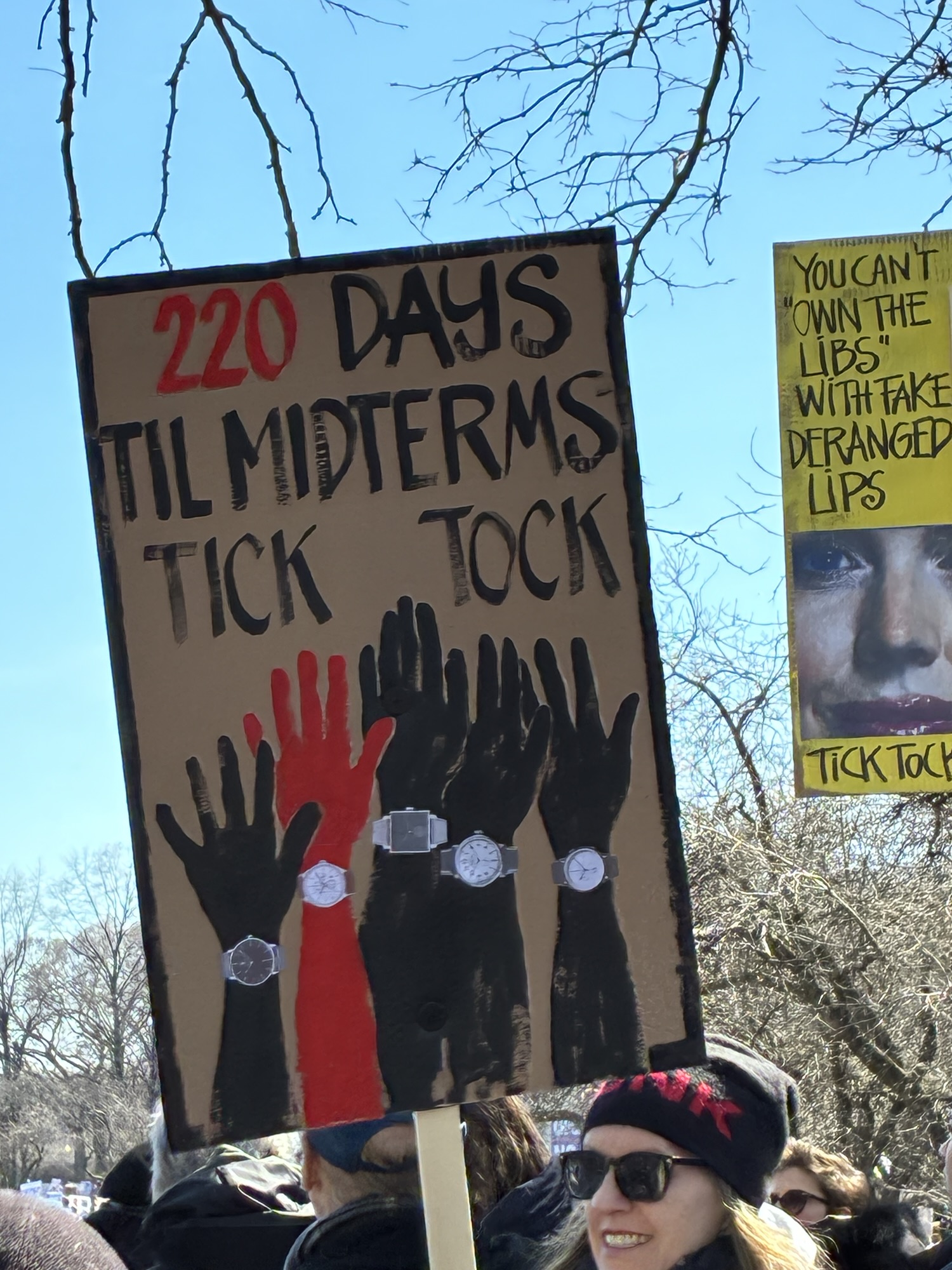
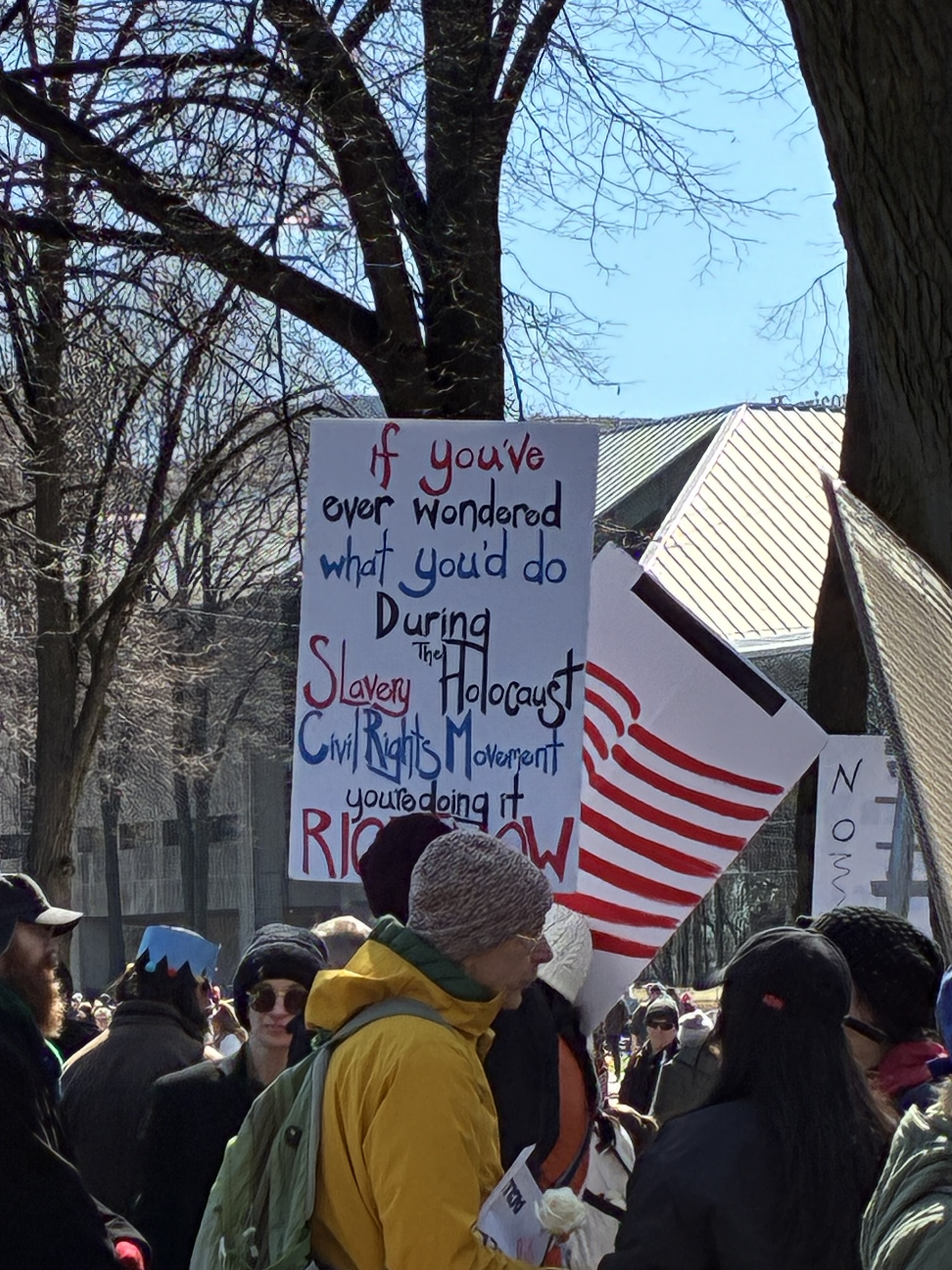
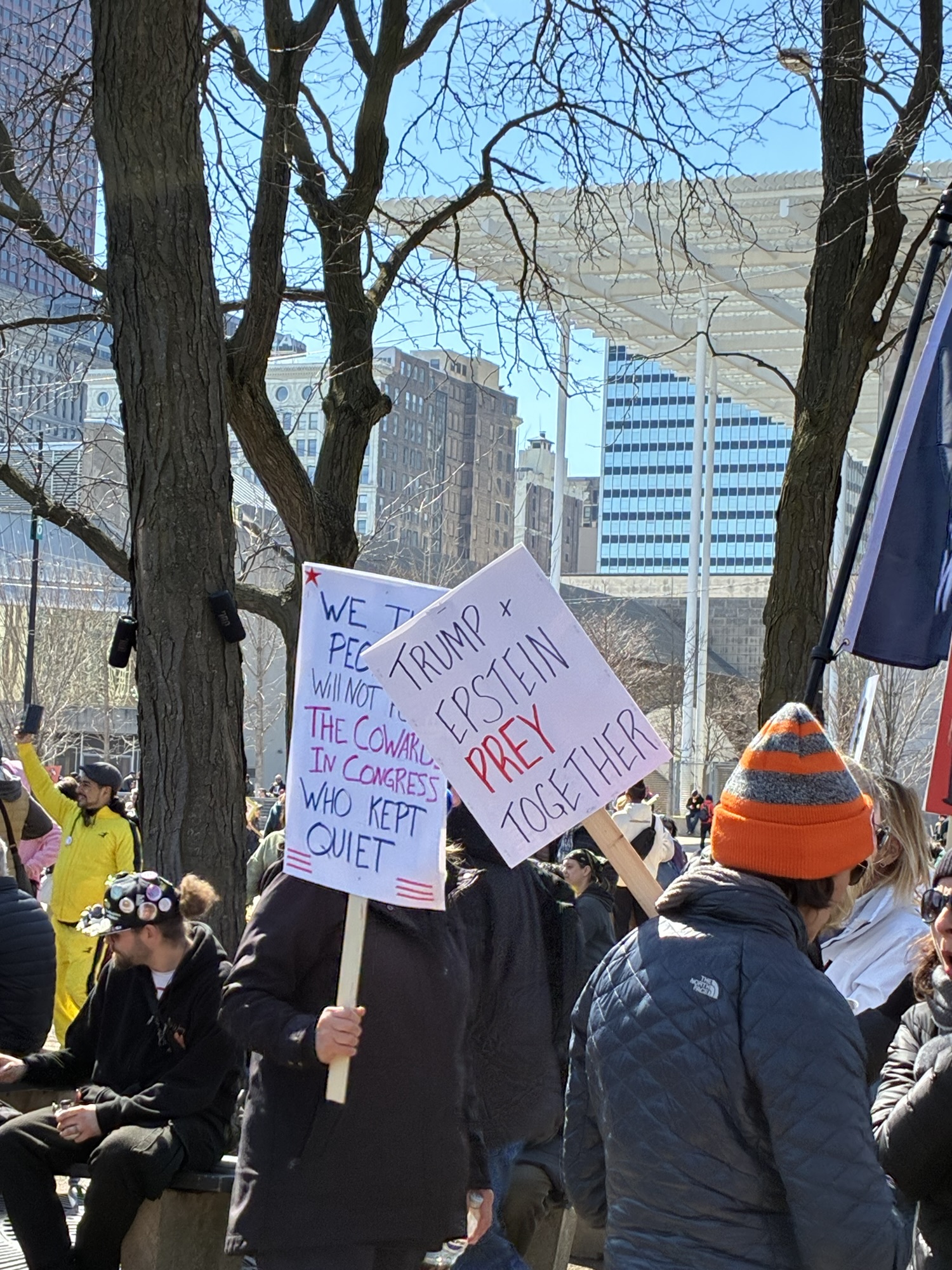
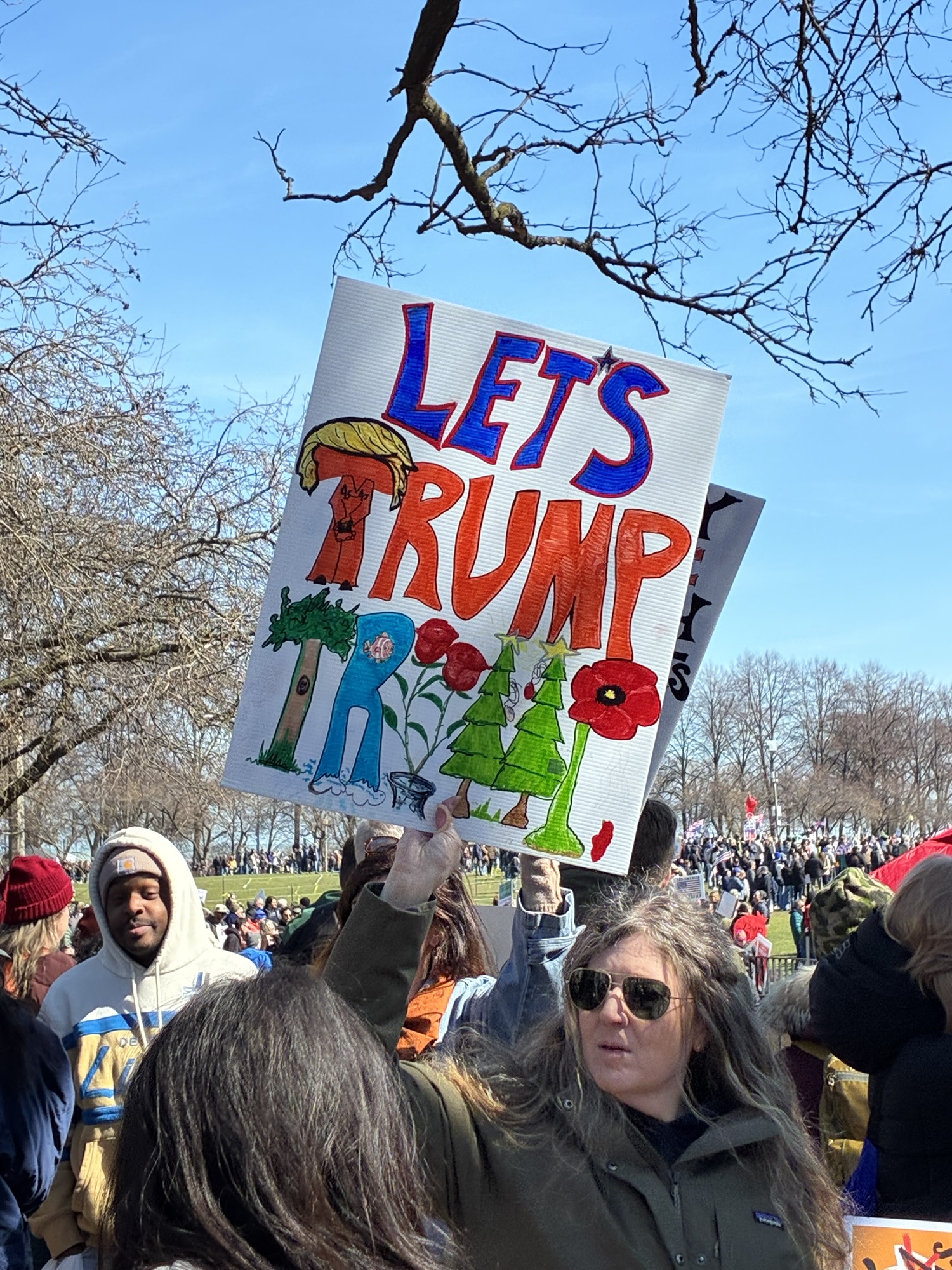
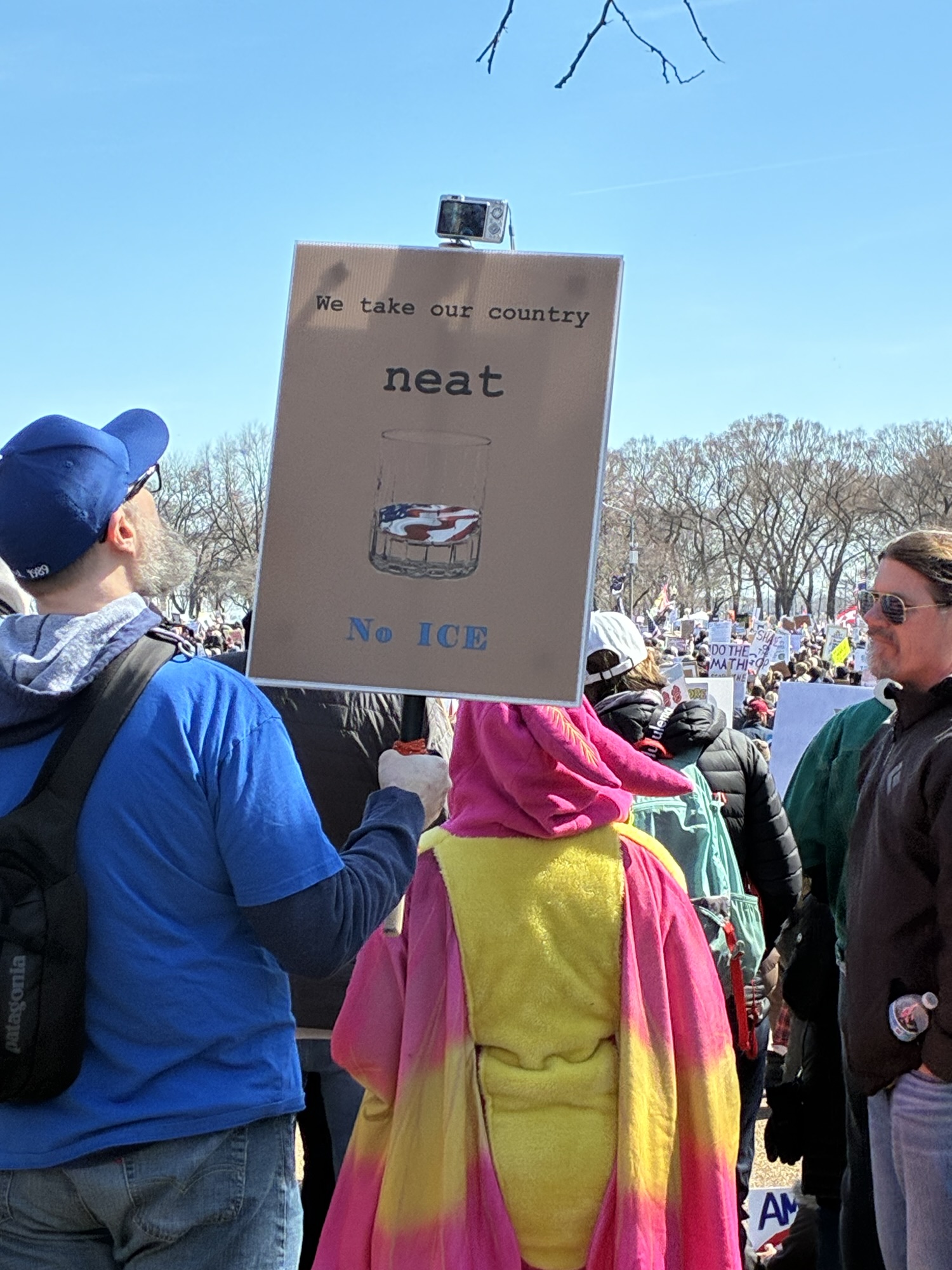
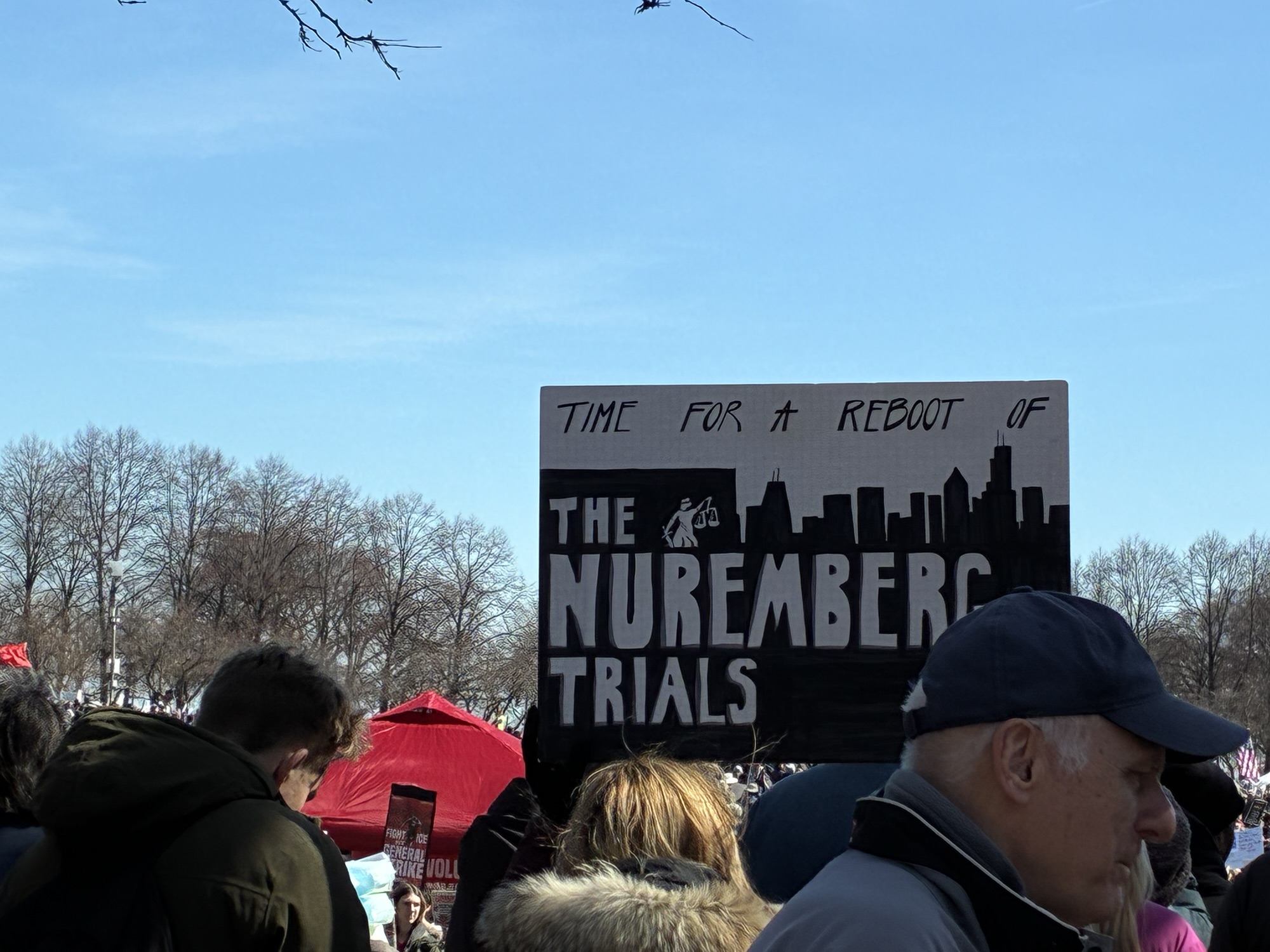
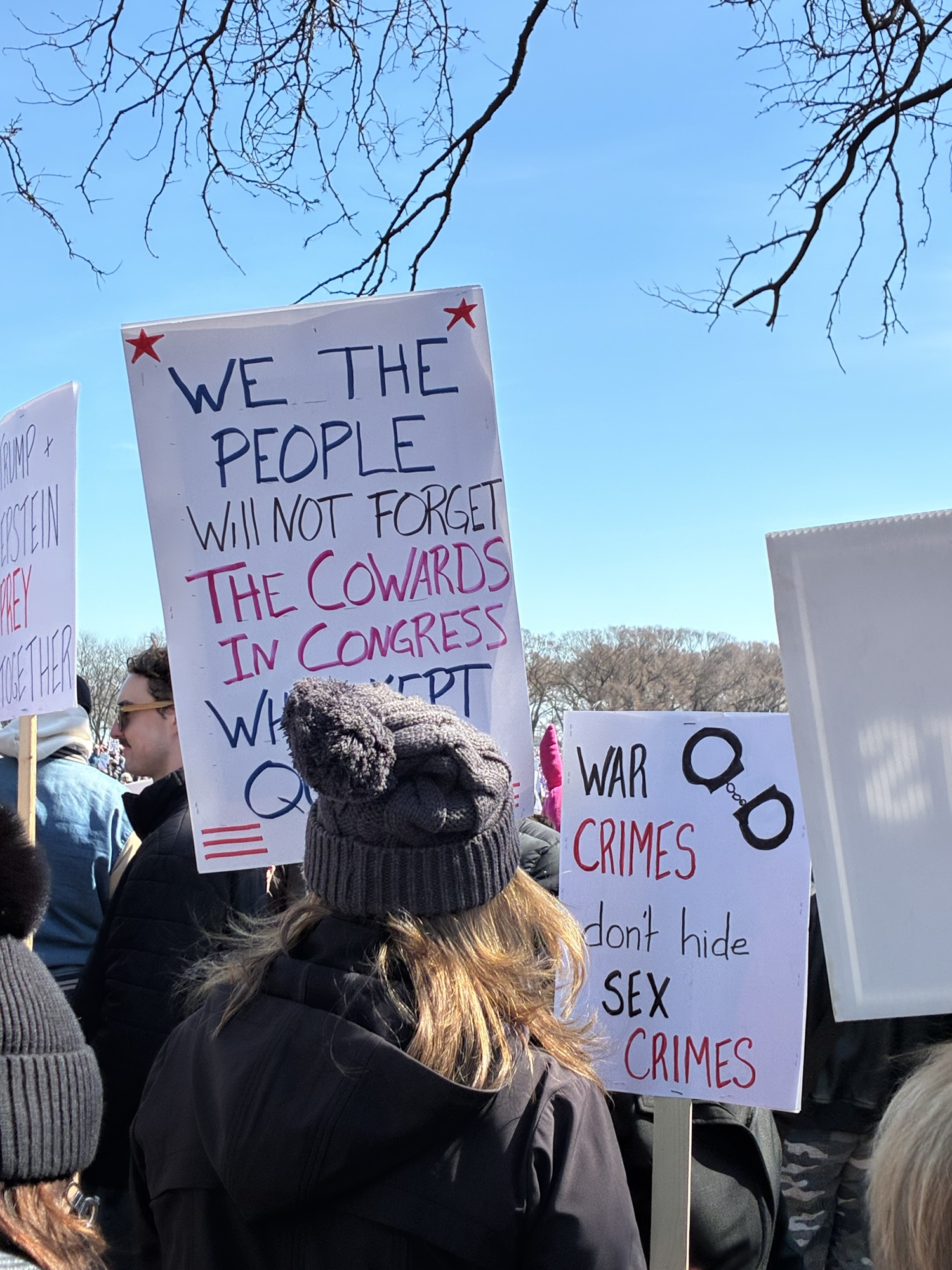
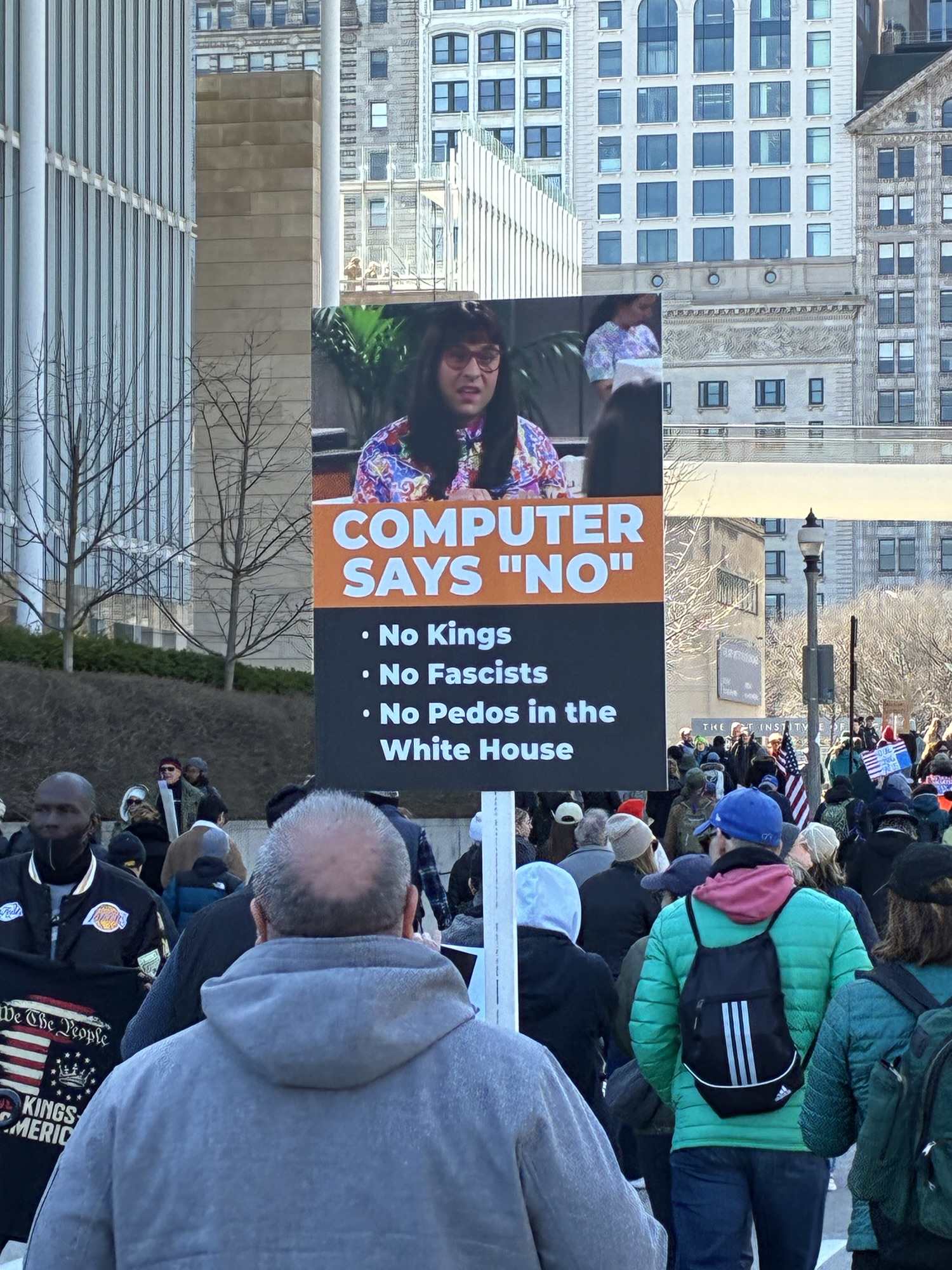
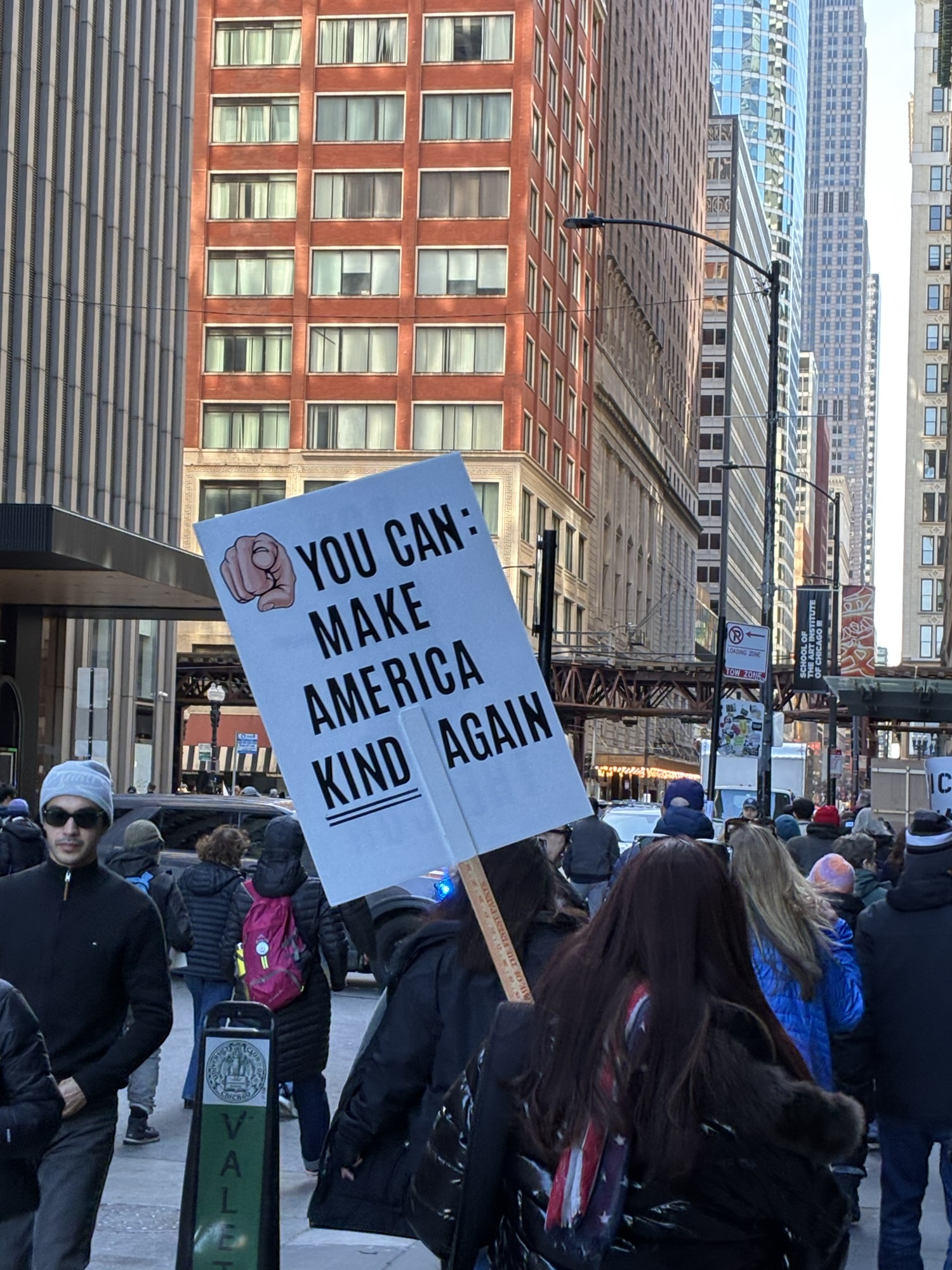
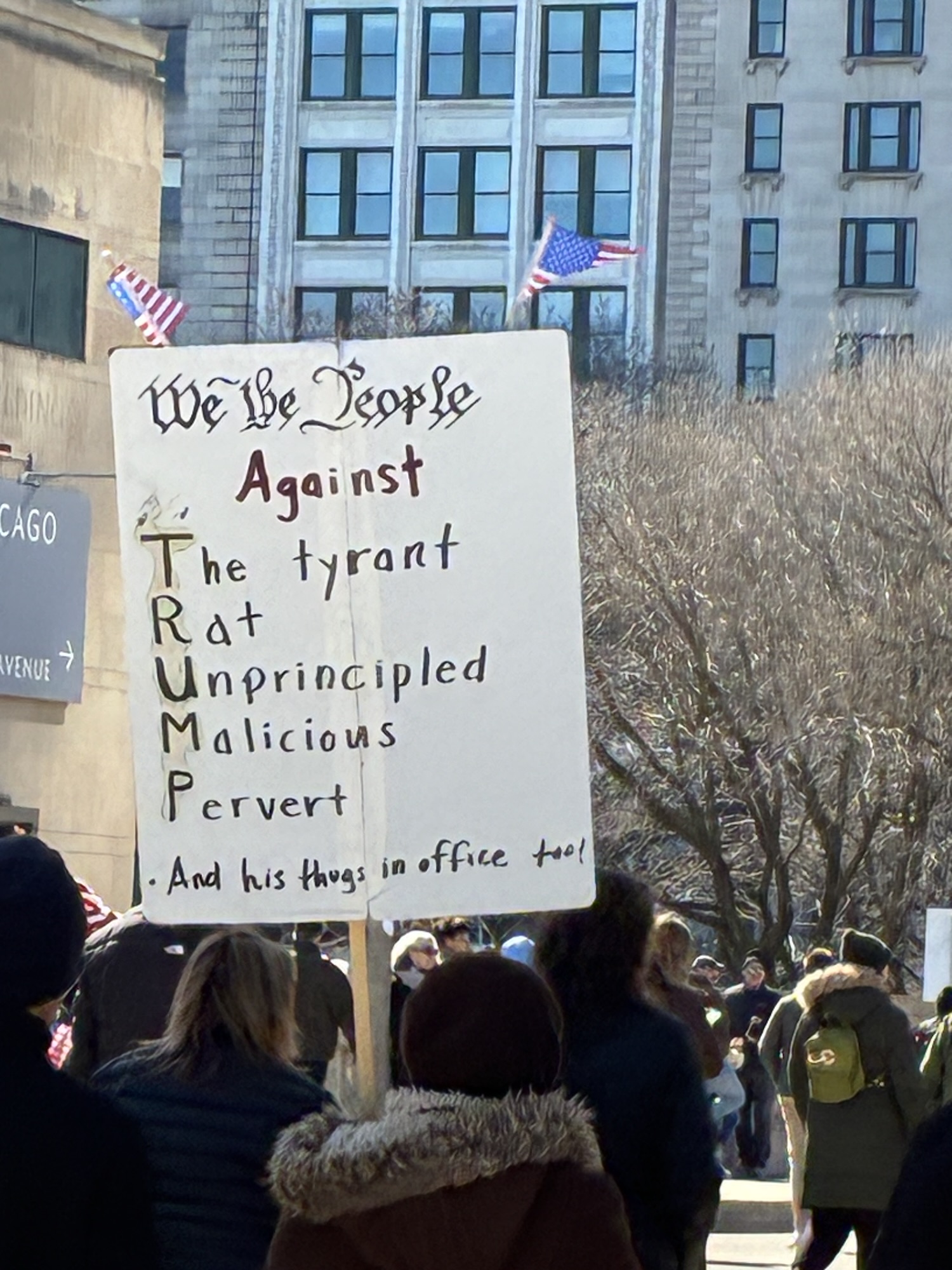
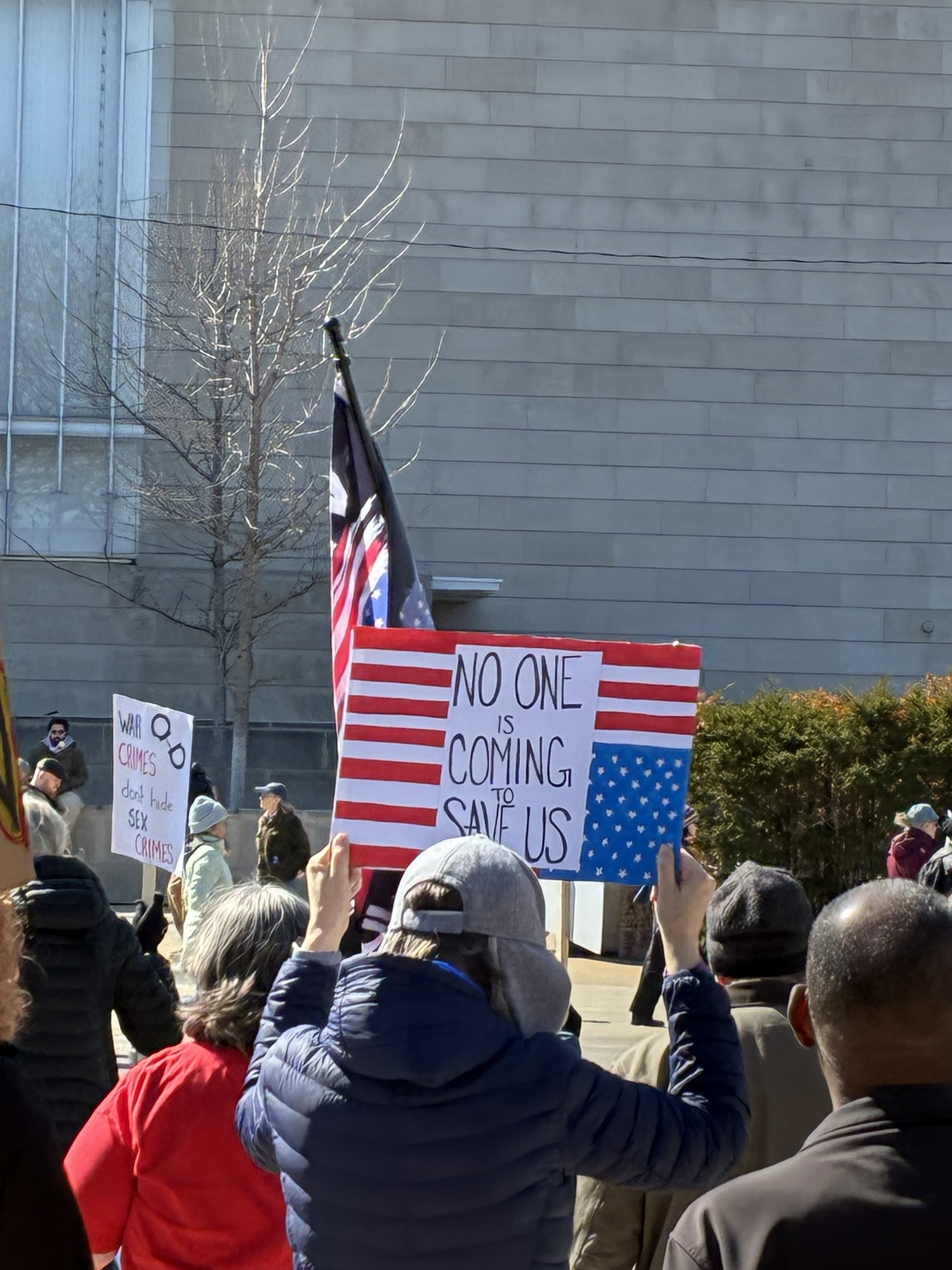
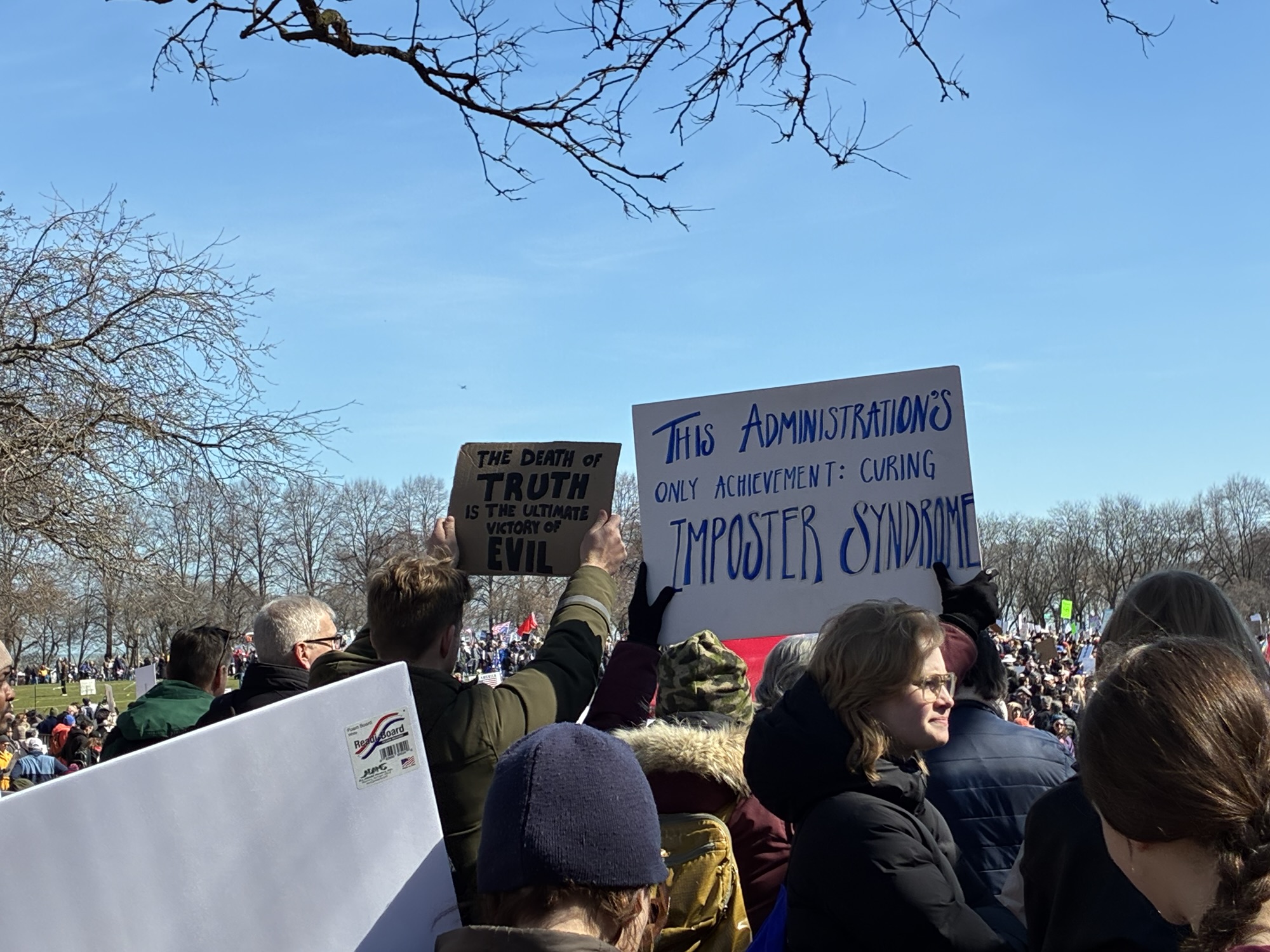
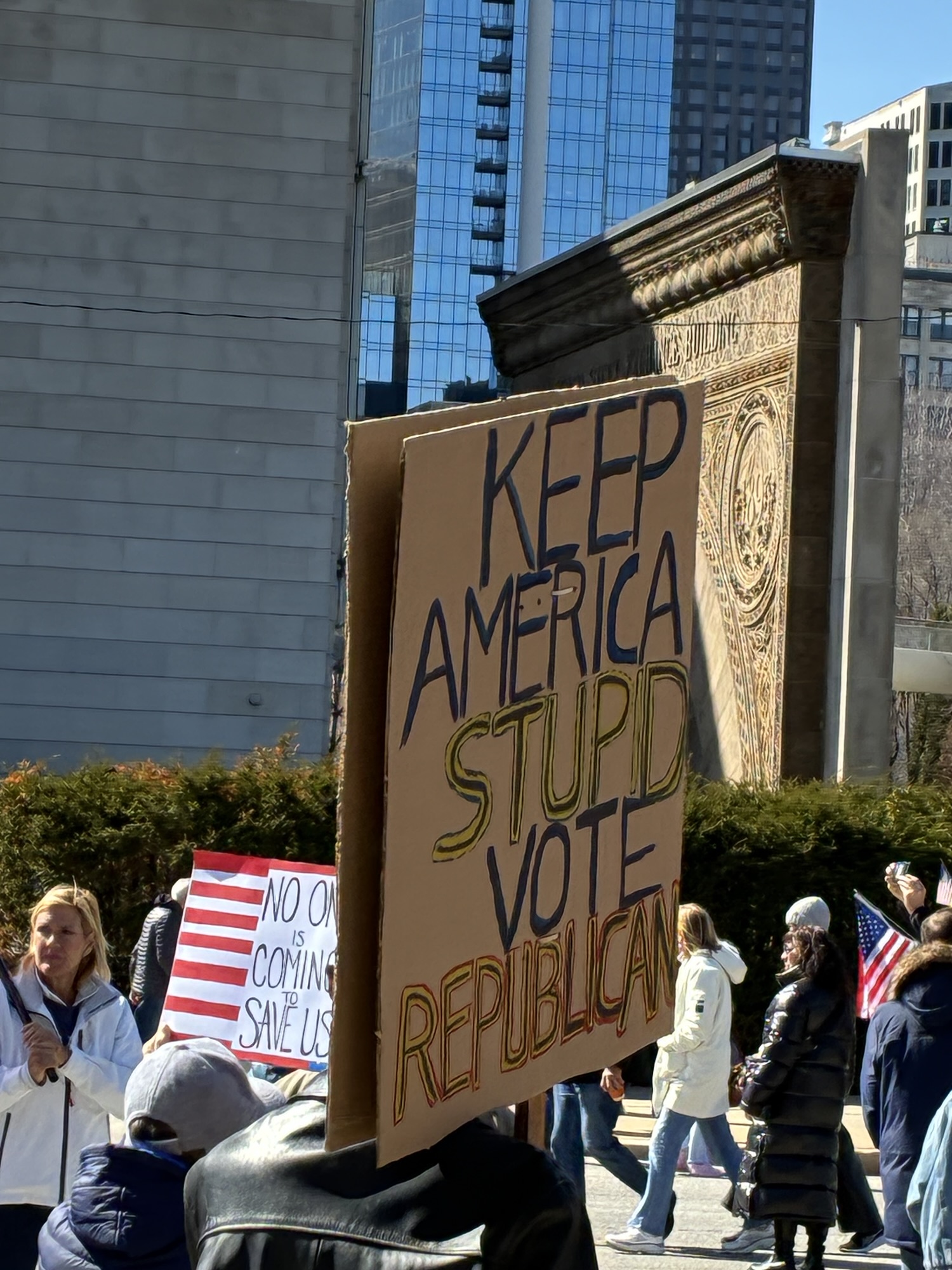
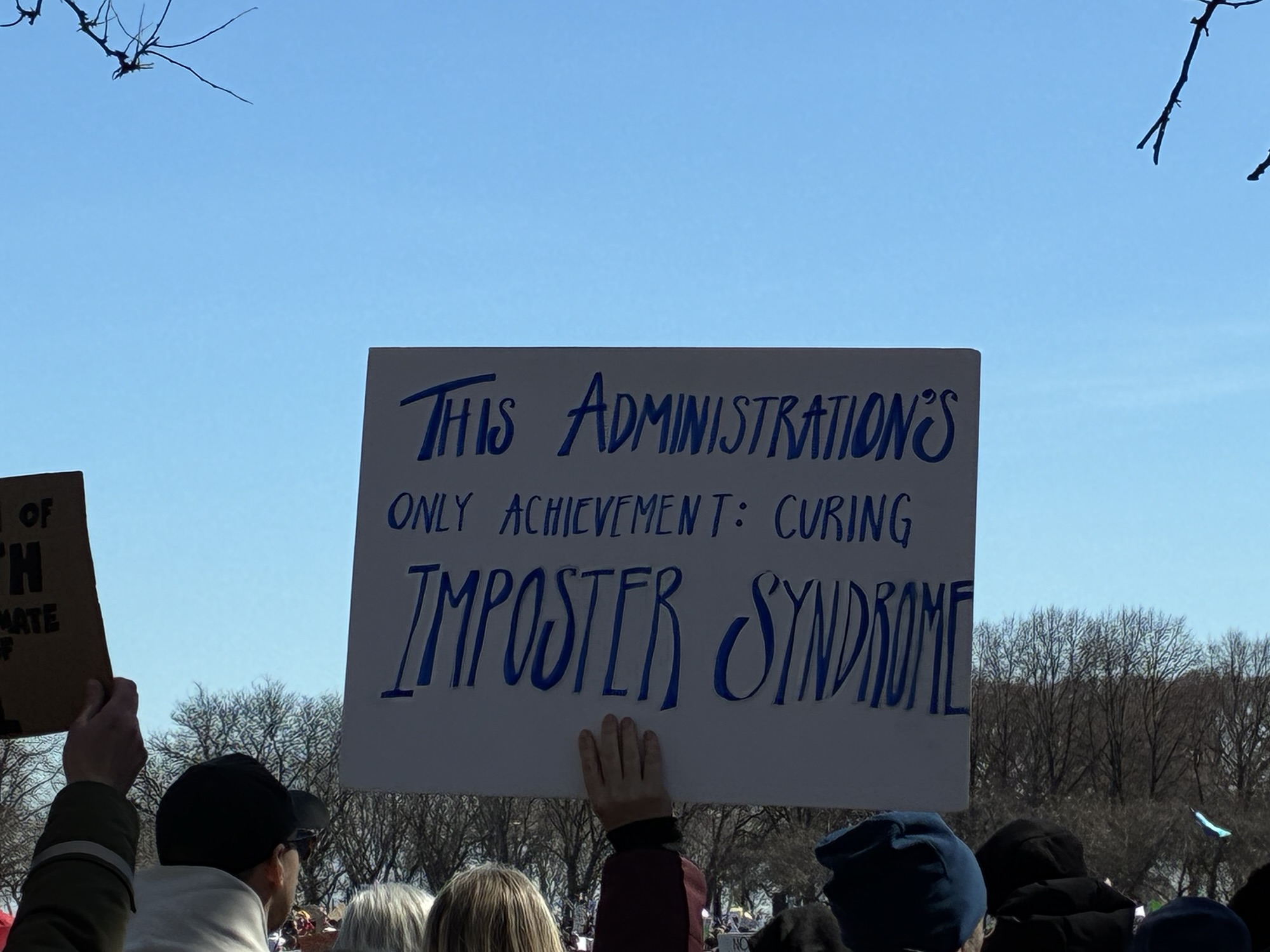
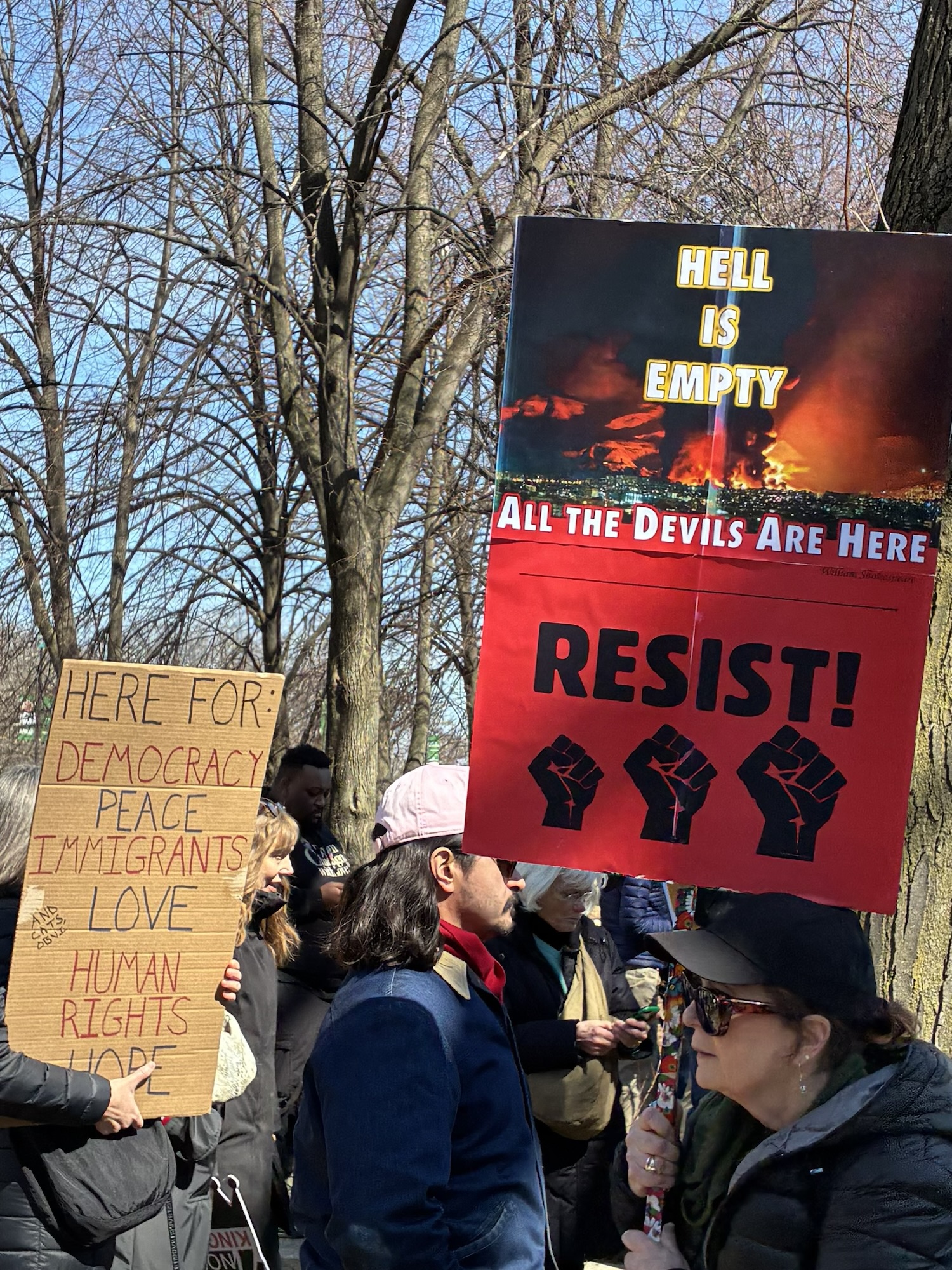
    Each day seems to bring more alarming news about the current Trump administration.

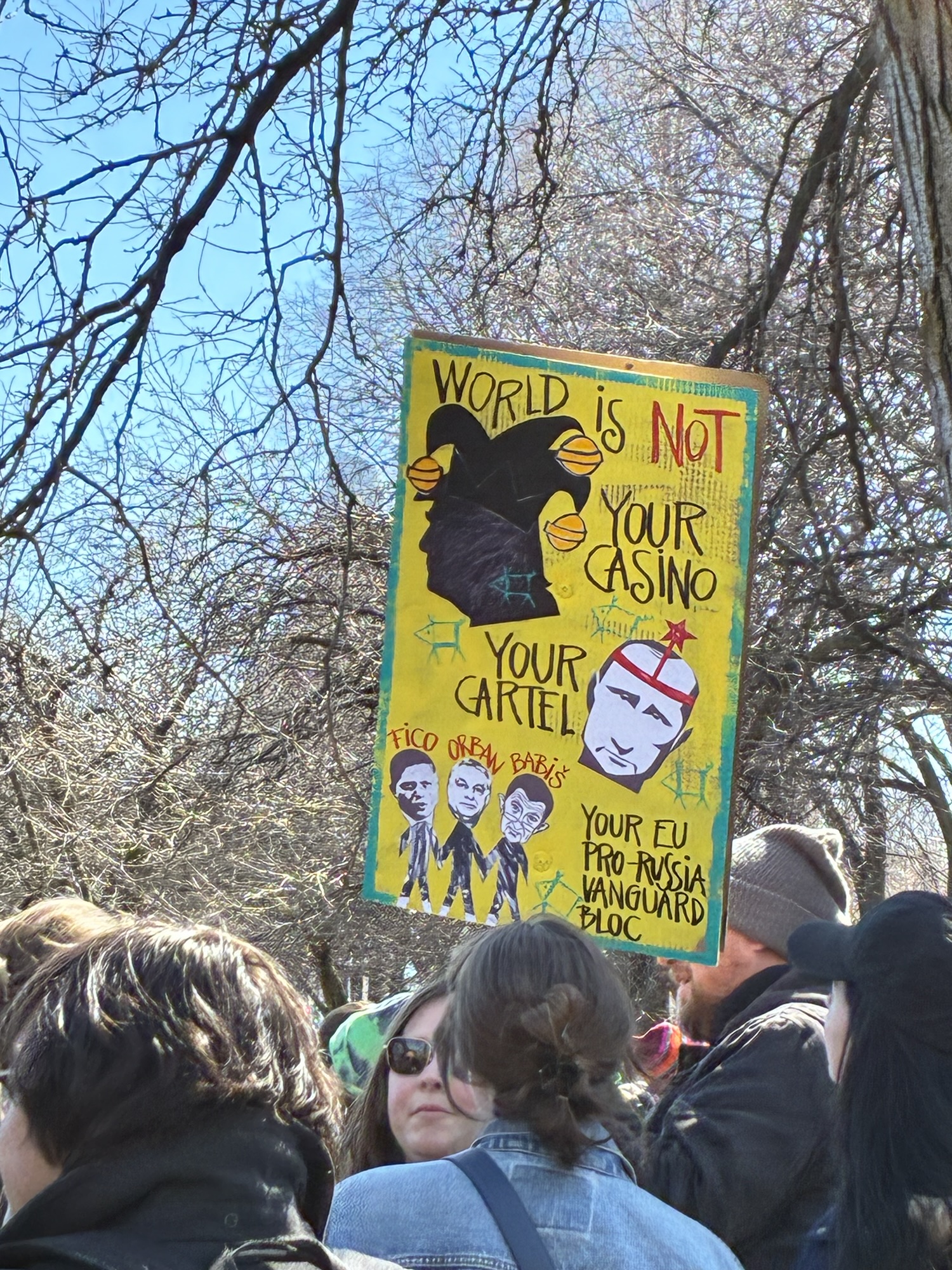
    Recent reports offer more details about Trump’s Board of Peace proposal, which he announced last week, for conflict in Gaza. Among others are the one billion dollars permanent member fee, his permanent appointment as its leader, and the inclusion of the Russian leader who continues to attack Ukraine.

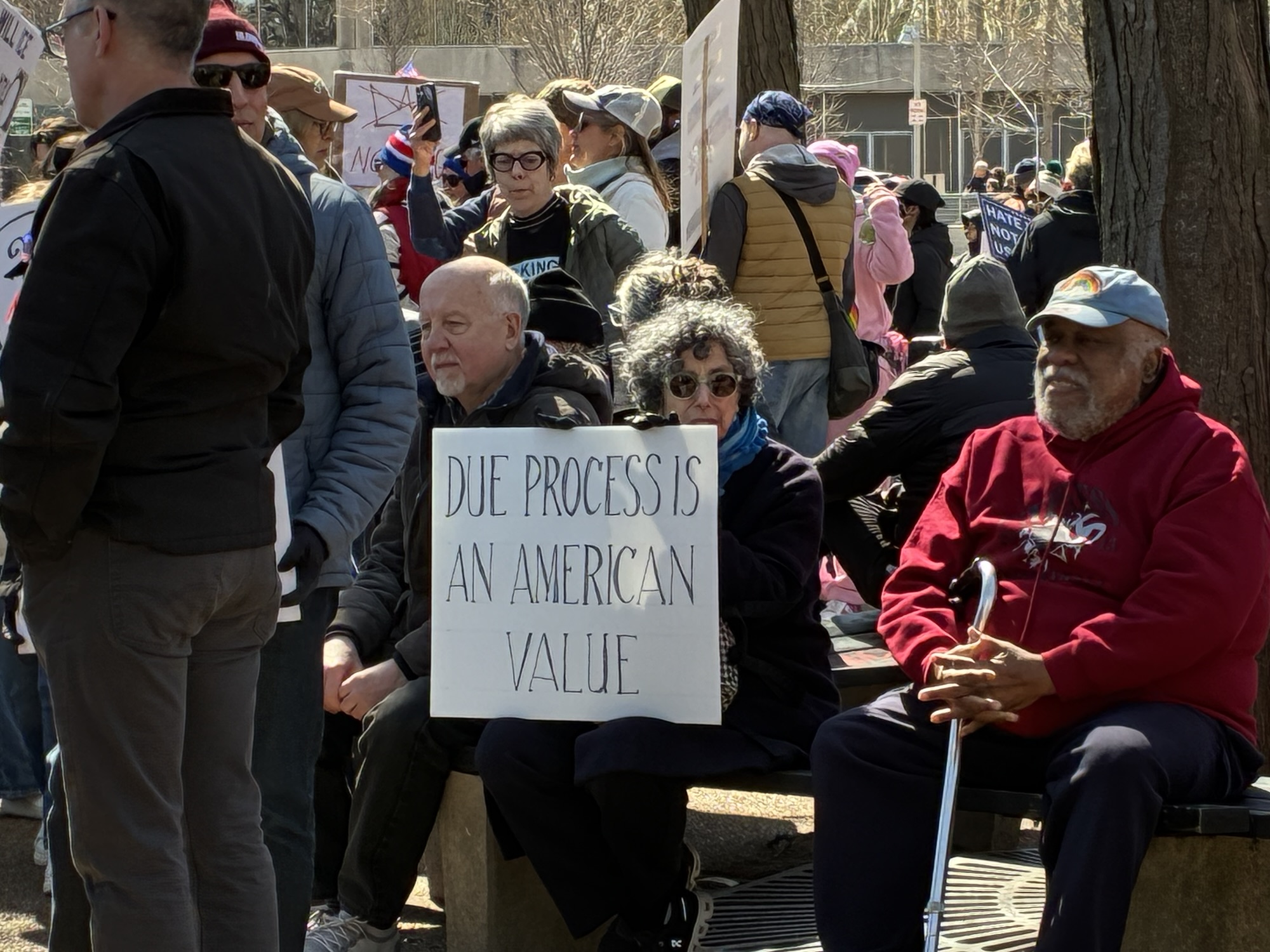
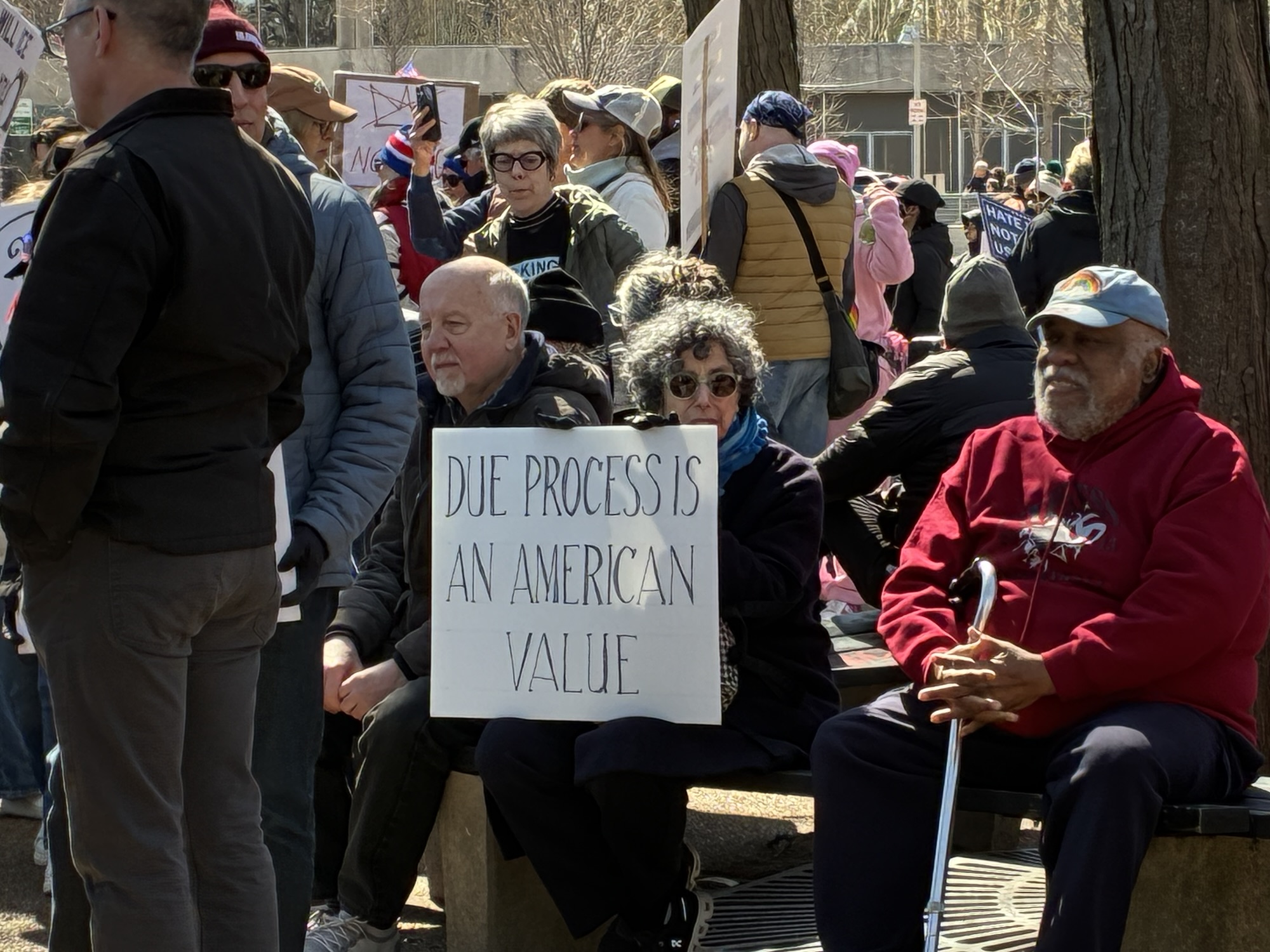
    The American people also learned last week that the DOJ is investigating the widow of Renee Good, who was killed by federal officers conducting potentially illegal detentions in a large American city. This investigation and others, such as the governor of that state and the mayor of that city, have led to the resignations of federal prosecutors there and elsewhere.

    We also learned last week that the same DOJ is investigating the Fed Board Chairman in an attempt to exert control over interest rates ahead of an upcoming election. Even this possibility according to many, such as bank CEOs, could have negative economic consequences.

    These are just several of the latest offenses committed by the current American presidential administration, and the American president who campaigned against global entanglements for example and prosecutorial politicization, which he criticized in others. Since then, his administration has made gaslighting into an art form.

    The damage to American democracy alarms many both in the United States and around the world, including some who wonder whether some might be permanent. The greater concern in my opinion is the legitimization of this president by our fellow Americans.

    These 2024 election voters aren’t the majority of Americans. Only sixty-four percent voted, and less than fifty percent of these voted for Trump. Nonetheless, these people, and their concerns and the conditions that generated these, will persist long after this administration is gone.

    Their concerns and conditions should also alarm, and need to be acknowledged and addressed by, anyone who cares about democracy. Otherwise, we risk misunderstanding the interest and goals of our fellow Americans, and returning to these destructive conditions in the future.

    Such a response needn’t entail authorizing their actions or even endorsing their concerns. Rather, it can recognize these while challenging underlying assumptions or foundational principles, and offering alternative perspectives. Still, it must include explicit recognition if the damage is to be repaired and a better future is to be constructed.

    Part of this process will obviously include rebuilding trust. That will be challenging enough when it involves the federal, state, and perhaps even local governments. For me, it will be even more so when it pertains to my fellow Americans.

    This obligation according to some might be greater for those who legitimized this political and social destruction, which makes sense. At the same time, the greater good might require us to meet them halfway no matter how righteous our distrust might be if only to prioritize the future of our nation over political or personal grievance.

    Such an approach is one I’m hoping to hear from anyone who wants my vote, and wants to lead us, in the future.

  • Like Lukewarm Leftovers

    I needed some time to adjust to Paul Kingsnorth’s (2025) latest book Against the Machine and found it useful but ultimately unsatisfying.

    Kingsnorth in a seeming synthesis of his thinking criticizes what he calls The Machine and offers what he considers ways to retain our humanity. He considers the emergence of this mindset, which he considers synonymous with the West, and specifically its exchange of place, people, the past, and prayer — the four Ps — for science, the self, sex, and screens, or the four Ss, before suggesting how to respond.

    In preparation, he suggests the interrelation of emotion and reason for example and laments the reported loss of a fan’s son to gender reassignment (62-63 and 168-169). He also reports some of his own reactions, such as relocating to the Irish countryside where he plays chess by candlelight and resisting the requirement whereby everyone owns a smartphone (111-113 and 304).

    He recommends near the end that readers resist the left-hemisphere approach of the modern mind and develop the ability to attend with the right-hemisphere, which conceives of the world not as a “mechanism” but rather an “organism” (268, 271). He also recommends technological self-control and “reactionary radicalism,” which rejects The Machine moral economy, and its colonization, and endorses one based upon “community bonds, local economies, and human-scale systems” (280).

    I appreciate the way Kingsnorth offers a larger context with his account of The Machine. He isn’t satisfied to concentrate on the challenges of artificial intelligence although he does offer an alarming one. Rather, he places digital technologies in a continuum of not just Enlightenment mentalities, the Industrial Revolution, or even the eleventh century Fen Tigers but also “a 1,500-year civilization” of “‘Christendom’” (5).

    Such an account is a useful reminder that all technologies emerge and evolve, and that this emergence and evolution are important aspects of understanding their effects and articulating informed responses. Even so, it seems to offer a somewhat selective account that ignores other arguably essential elements of this context.

    Digital technologies could be considered for example part of a larger history of technological development, which incudes the invention of literacy for example or farming, that enhances the abilities of humans to trust others and coordinate efforts (Wright 1999, e.g.). Such accounts needn’t ignore the costs Kingsnorth cites or even negate his recommendations, but these could avoid dismissing these developments as completely detrimental.

    Nonetheless, this book encouraged me to reconsider my perspective and defend these beliefs, which is certainly welcome and undeniably useful. Moreover, its account of the past and present could be correct, in which case humanity might be in much more trouble than I realize, or want to recognize.

    The problem as Kingsnorth admits is that he cannot prove his account although this challenge hasn’t prevented others from attempting to do so (e.g., Pinker 2011 or 2018). At such moments, a better option when offered a range of selections might be opting for a more appealing one, which might not be right but could be more motivating.

    That in the end might be the most useful part of this book. For example, it describes shatter zones, including online spaces where we can use The Machine tech to resist its colonization, and distinguishes between raw and cooked barbarians, or those who resist from outside or in-but-not-of The Machine (Kingsnorth 2025, 290-291 and 304-305).

    Kingsnorth suggests that cooked barbarians might discover one day that their limits cannot keep them from being poisoned. At such moments, they would have to look for sustenance outside The Machine if they want to live to fight another day.

    Such moments could also make some of us wonder whether we’ve been cooked too long.