Category: book

  • Just What The Doctor Ordered

    Just What The Doctor Ordered

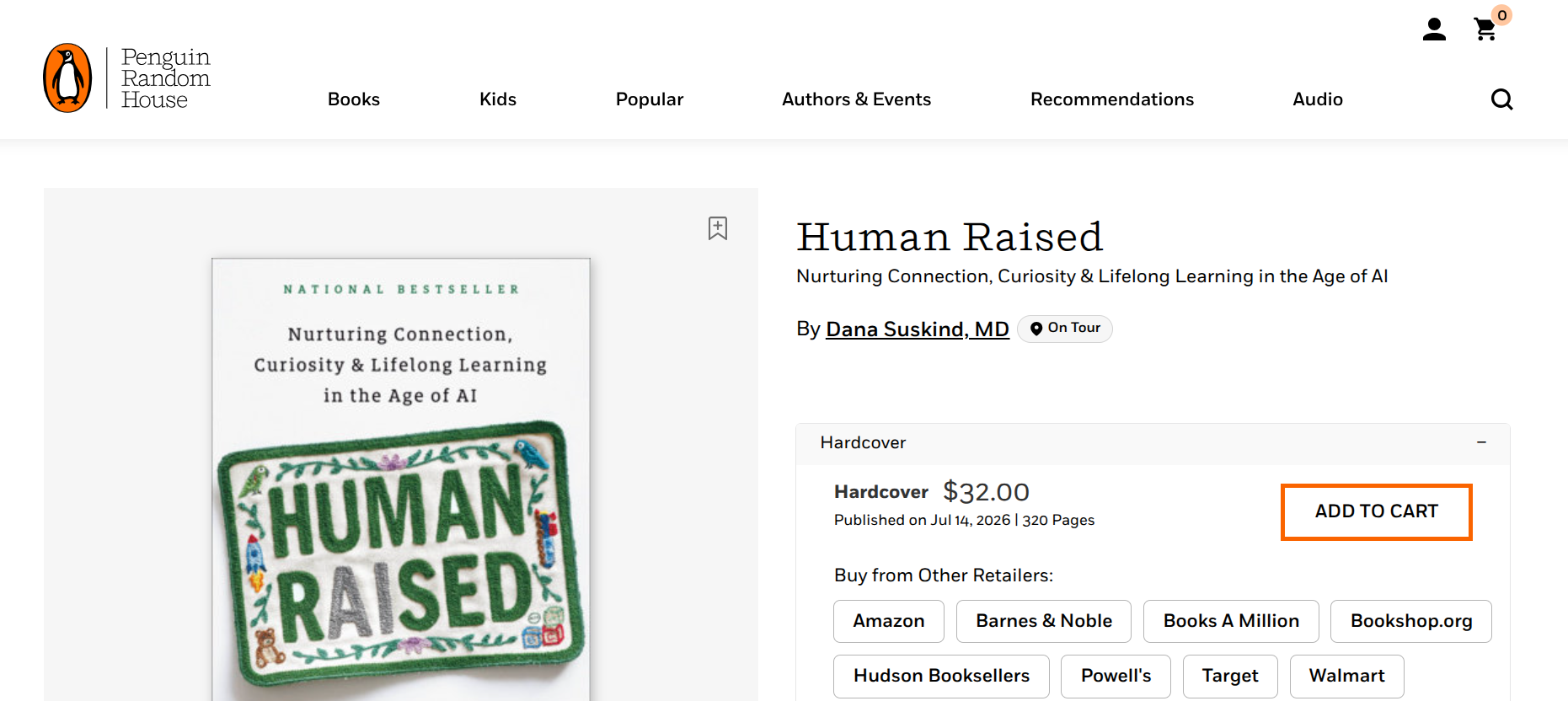
    Dana Suskind’s latest book Human Raised: Nurturing Connect, Curiosity, & Lifelong Learning in the Age of AI might target parents but offers insights for all of us.

    Suskind, who is also a University of Chicago surgery and pediatrics professor, encourages parents to foreground the irreplaceable human connection, own their parenting imperfections, protect their kids’ early years, and limit AI to enhancing adult-child interactions, or HOPE. She also describes ways that AI can support parents and newborns with language learning or sleep habits as well as reduce demands on both busy parents and overburdened teachers.

    Suskind’s expertise and experience establish a compelling context for this project, and her voice is immediately noticeable. She integrates research and experience, both professional and personal, with an engaging personality in ways that will appeal to, and engage, her intended audience.
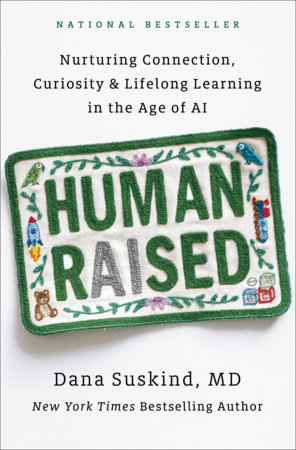
    publisher cover image

    The effect is an established authority that commands attention yet remains accessible and compassionate. As a result, her perspective and approach, which consistently position parents at the center, are compelling and convincing. In these, AI functions as a powerful tool that serves human ends rather than dictates or worse determines these.

    Suskind repeatedly encourages parents to retain their instincts, and refuses to relinquish these to not just AI agents but also pediatricians. She also models her perspective in the ways that she owns her own parenting imperfections, which she incorporates into her argument for doing so.

    Artificial intelligence Suskind acknowledges encourages users to expect perfection. Parents however should understand that their failures, and what follows, are ways that their children develop crucial life skills, such as individual resilience and relationship repair.

    This argument can reassure new parents, who can use it to calibrate their own criteria, and even older ones, including those who have grown children as I do. I’ve suggested to my spouse that we were good enough parents, which was more than enough, but Suskind offers an even more compelling argument for such parenting as even more.

    This example suggests the larger appeal of this book. It caught my attention because I have been searching for first, or foundational, AI principles, and wondered if despite its intended audience it would suggest some. From it, I learned a way of thinking about both my parenting and my AI approach, which is even more than I hoped.

    AI according to Suskind should never substitute for human connection, imperfection can trump efficacy and efficiency, certain parts of human experience must be protected, and our efforts can be usefully enhanced with smart strategies.

    These insights are useful for raising kids, and living, in a world of artificial intelligence.
  • Things That Should Be Said

    Things That Should Be Said

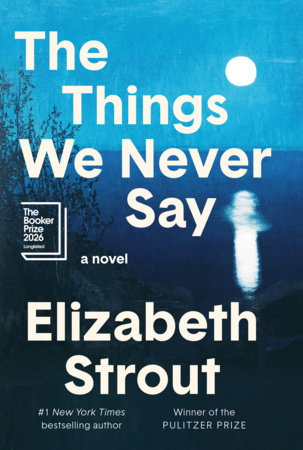
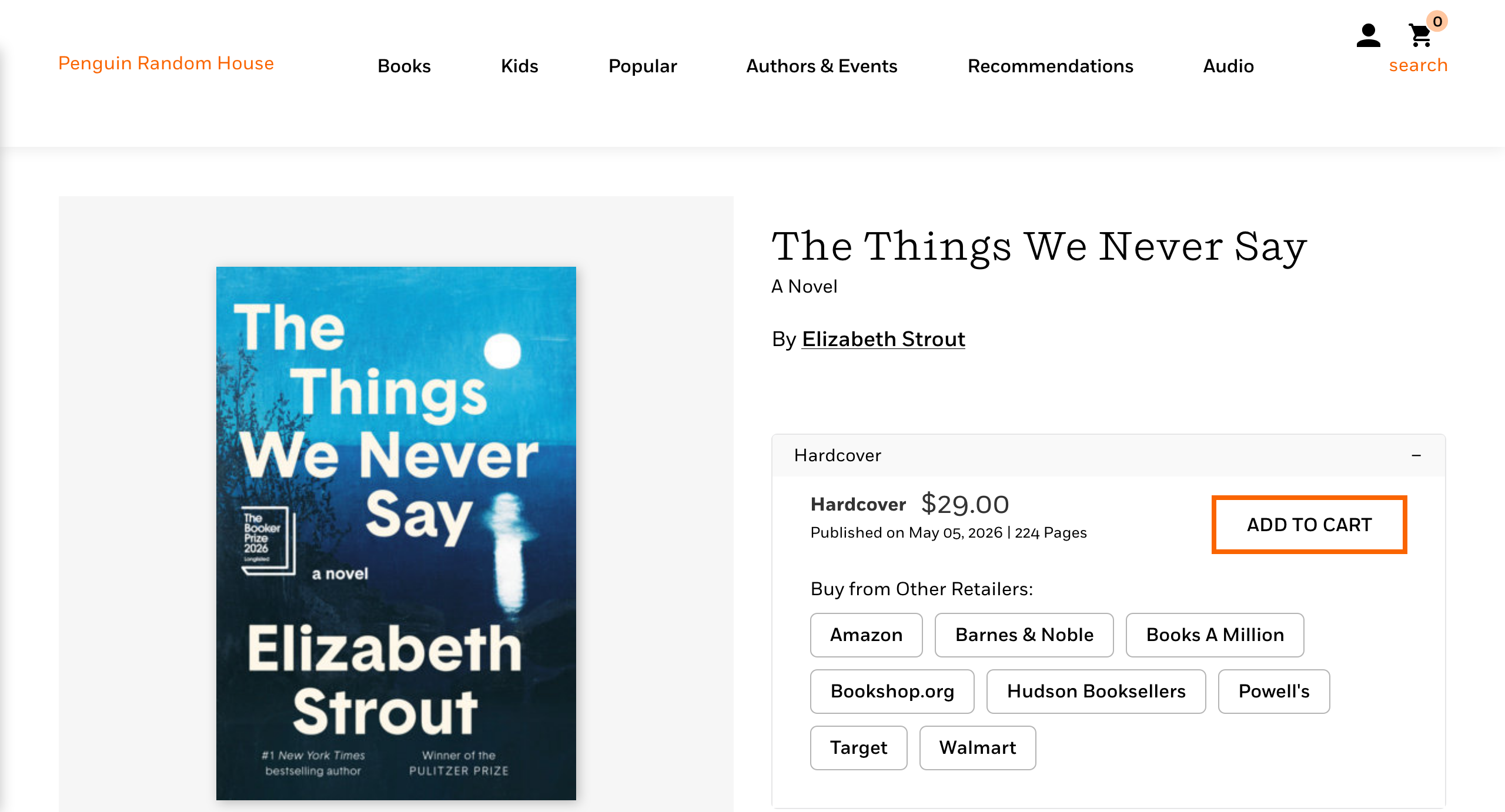
    I was more excited about getting to read Elizabeth Strout’s latest novel The Things We Never Say than I am about having read it.

    I tend to like Strout’s novels more than I expect, so I thought that this one, and especially its fifty-seven-year-old high school history teacher protagonist named Artie, would be even better. Artie, like so many of us, is beset by a loneliness that as its epigraph attests comes from his alienation in the midst of others.

    Artie and his wife of many years Evie are struggling with the emotional aftermath of their son Rob’s car crash that killed his girlfriend. Artie discovers that his initial response, which is suicide, isn’t as appealing after he falls into the water while stepping into his sailboat, and that he actually has a desire to live, which he spends the rest of the novel trying to do.

    Other critics praise have praised this novel for many reasons, including this memorable protagonist and its cast of characters and its spare yet sharp style.

    I also admired it for its political and personal timeliness. Loneliness if social media are any indication besets the best of us, and the Trump administration antics can alienate all of us, and in that offer us some common ground.

    I additionally appreciated the intersection of character and plot, and especially Artie’s connection with his son Rob, whose circumstances push them closer and later pull them apart. One contributing cause is Evie’s secret that is exposed yet never confronted, which sadly seems so familiar.

    I could recognize the potential in other choices, such as a shifting POV that promises an unprovided intimacy. That and others reinforce the loneliness theme, and combine for a rhetorically withheld catharsis that cleverly compelled me to keep reading and unfortunately was ultimately unsatisfying.

    This condition can be seen in Artie, whose experiences that he both can and cannot change illustrate the excruciating effect of loneliness around others. His motivation however is never quite clear.

    Is Artie driven by his relative poor childhood or his current political outrage or even a righteous indignation over political and personal circumstances combined with an unavoidable awareness of his relative privilege? The answer can never be found in the accumulation of too many tragedies, one after another until the end.

    I respect Strout’s effort, and her commitment to and confidence in this project. I just believe that the book would have been better served with at least another draft.

    The loss is all that this book could but doesn’t say, which is even more lamentable in light of its final paragraphs and our current circumstances.

  • Frenemies and Families

    Frenemies and Families

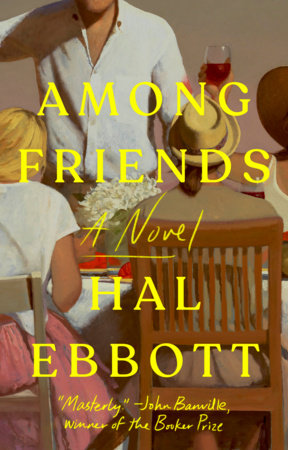
    Among Friends by Hal Ebbott is a flawed yet perhaps fascinating novel ostensibly about college friends Emerson and Amos.

    Emerson, who introduces Amos to his friend Claire, appears when Amos needs someone, which cements their connection. This connection eventually includes Claire, whom Amos marries, and Emerson’s wife Retsy as well as their respective daughters Anna and Sophie.

    The point of view shifts throughout the story, and attempts to establish some sympathy with all of the central characters, but at its center as the title suggests is the connection among the four of them, or at least Emerson, Amos, and Claire. These three are balanced by Retsy, who also counterbalances the pressure added by Claire to the friendship between Amos and Emerson.

    Claire, whose history with Emerson at times makes Amos uneasy, displays competing and confusing loyalties throughout the story. Emerson, who assumes that other discuss and even mock him, has an often hidden cruelty that is more revealed than developed.

    This cruelty becomes clear to Amos at the end, and catalyzes his change, which is the final focus of the plot and seems to make the novel in the end his story. For most of it, Amos exhibits a relatively uninteresting uncertainty and insecurity, which makes his eventual courage either more moving or less plausible.

    This courage comes from nowhere except his empathy for his daughter Anna, and specifically his ability to put her needs ahead of his own. As a result, Amos transforms what until that point had been embarrassing, and has been used against him, which almost redeems his emotional suffering and generates an unexpected strength.

    The problem with such an interpretation is the ending, which is too ambiguous and perhaps too rushed. Amos acts independently at the risk of his marriage, and also agrees to Claire’s proposed remedy, which is a family vacation for the three of them that he believes might salvage their marriage.

    Amos and Claire however consult Retsy and Emerson for a recommendation even as they intend once there to follow Anna’s direction. That could refer to her preferences for excursions, which is plausible, but doesn’t rule out an invitation to Emerson, Retsy, and Sophie to join them.

    This second possibility could portend reconciliation and forgiveness, which seems unrealistic or at the very least an awful possibility. I cannot comment on the proper protocol for such situation — I’m being deliberately vague to avoid revealing too much — and yet am horrified by the prospect of returning to regular interactions among them.

    Such an outcome only seems possible, and given the rest of the plot somewhat implausible. If intentional, the novel asks questions about whether we should judge others by their worst moments and if some actions permanently destroy long relationships, in which case the conclusion needs more care, and craft, if only to convince readers that they’re deliberately agitated.

    This more generous interpretation would suggest that this story starts as a slow burn only to burst however briefly into a flame, which would be reason enough to read it.