Major League Baseballs reminded me again at the start of spring training this year how much more it cares about money than fans.
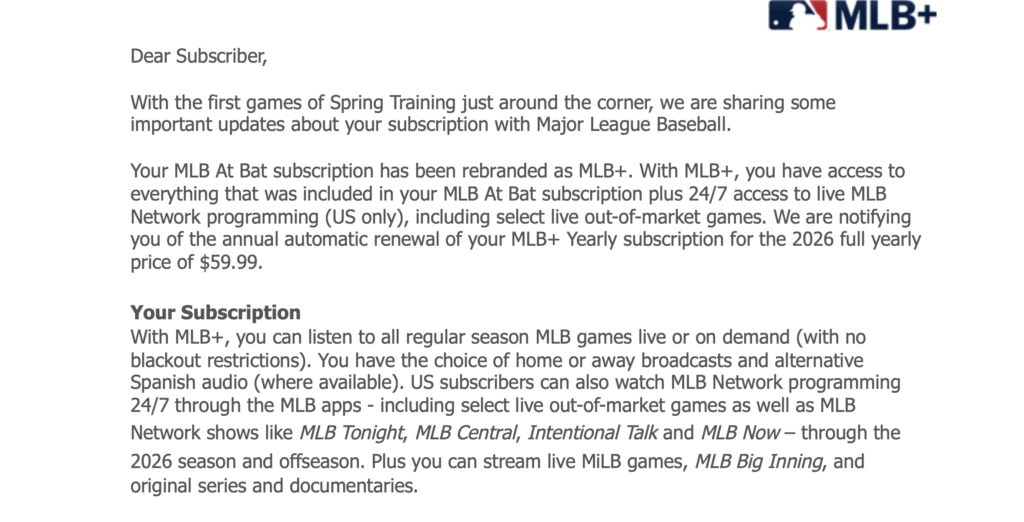
It notified me last week that MLB at Bat, which is its online radio subscription, was now called MLB+. It also indicated that the annual cost had been doubled.
I have always been ambivalent about this service. However, I cannot get a good AM radio signal in the building where I live, cannot find an online radio stream that isn’t substantially delayed, and am not always within the broadcast area or even near a radio.
For these reasons, I had been reluctantly spending about thirty dollars each season, or about five dollars a month, to stream the Cubs radio broadcasts, and to listen to Pat and Ron without trouble, anywhere I was. Why not spend a little to avoid complicating one of the perennial joys of life?
This answer was complicated by this notification from MLB. The online renewal price, which I checked after receiving this news, was still the same as it was last year, so I called MLB customer service.
The rep insisted that MLB hadn’t actually doubled the price — it technically had more than doubled it, I guess, but why would he highlight that? — and reported that it hadn’t added any features or services.
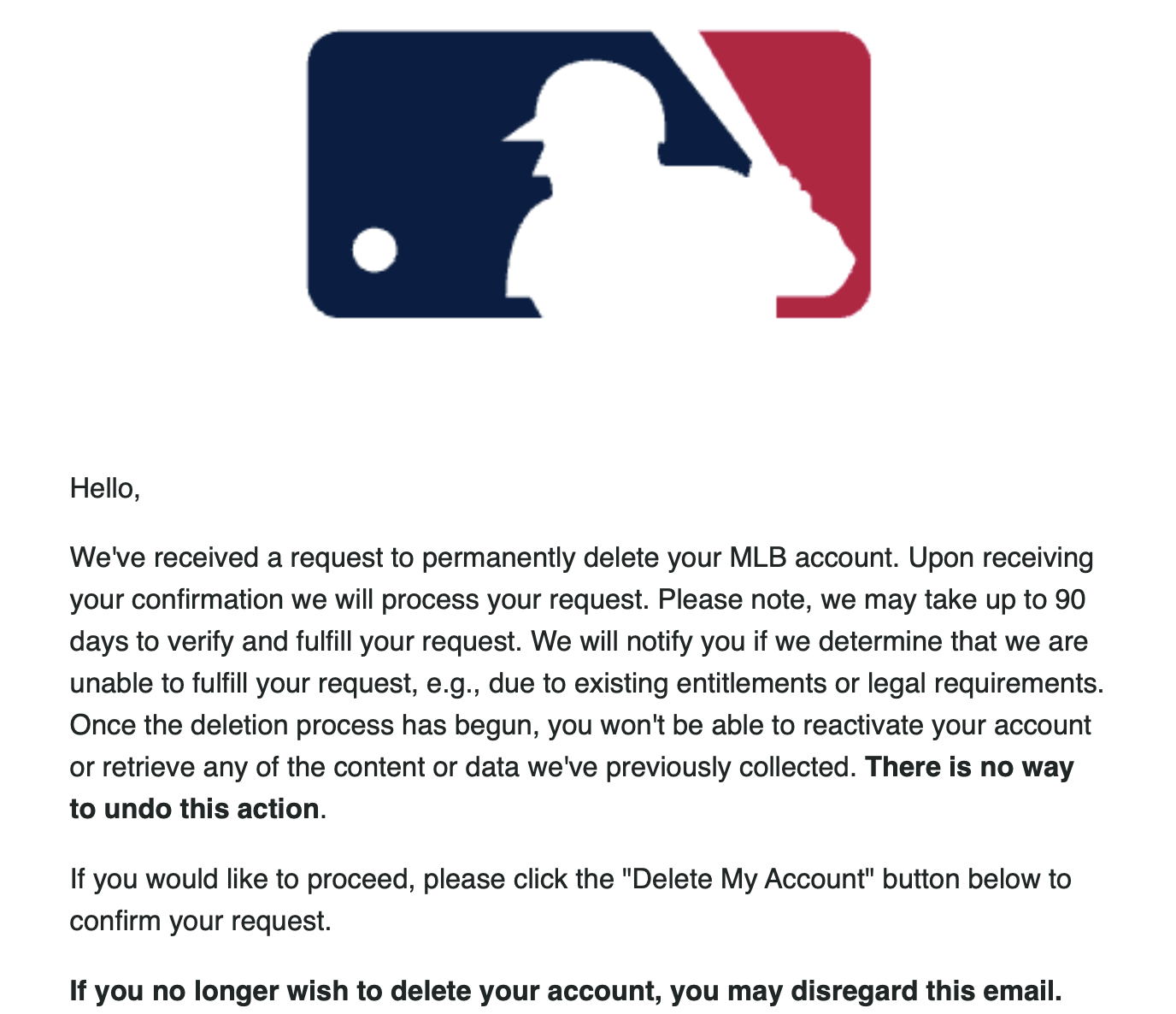
This rep claimed he would disable my auto-renew, but I thought I already had done that. I then also removed my credit card and deleted my account.
MLB wants its radio subscribers to spend twice as much for the same service. This one hundred percent increase moreover is happing at a time that many are predicting a lockout after this season as owners and players squabble over a salary cap, especially after the Dodgers signed Kyle Tucker in the offseason and continue spending for a three-peat.
Such disregard for fans isn’t new. Major league baseball for example has had nine strikes or lockouts since 1972. The longest, which occurred in 1994-1995, canceled 938 games, and the entire 1994 postseason. The most recent, which happened in 2021-2022, didn’t cancel any games but delayed the 2022 opening day.
This disregard appears in other ways. For example, the Chicago Cubs and the Chicago White Sox have their own sports networks, and now charge local fans who want to watch games from the comfort of their living rooms, which many previously had done on free television, about twenty dollars a month.
Neither even offers good reasons for such expenses. The Cubs have lost the division title to the rivals Brewers or Cardinals, who play in smaller markets, for the last five seasons. The Sox have lost over one hundred games for the last three.
The problem is that enough fans will likely spend for the radio and television subscriptions, and the tickets, concessions, and merchandise. Such expenses, whatever the costs, seem especially appealing in the middle of February.
I however might have an alternative this season. One of my kids recently gave me a solar-or-crank-powered portable radio with an extendable antenna. With it, I might be able to find a crackly yet discernible sound of the play-by-play from Hall-of-Famer Pat Hughes, who will begin his forty-third season calling Cubs games, and his most recent partner, and former Cub from the metro-Chicago area, Ron Coomer.
I gotta get cranking, and searching for the strongest signals. Spring training games start tomorrow.