The MacBook Neo by all accounts is amazing.
This newest Apple laptop, which consists of MacBook Air compromises for a much more affordable price, has been praised for its performance, build quality, and value. The demand for this “perfect compromise” even surprised Apple, and reportedly contributed to a record number of new customers.
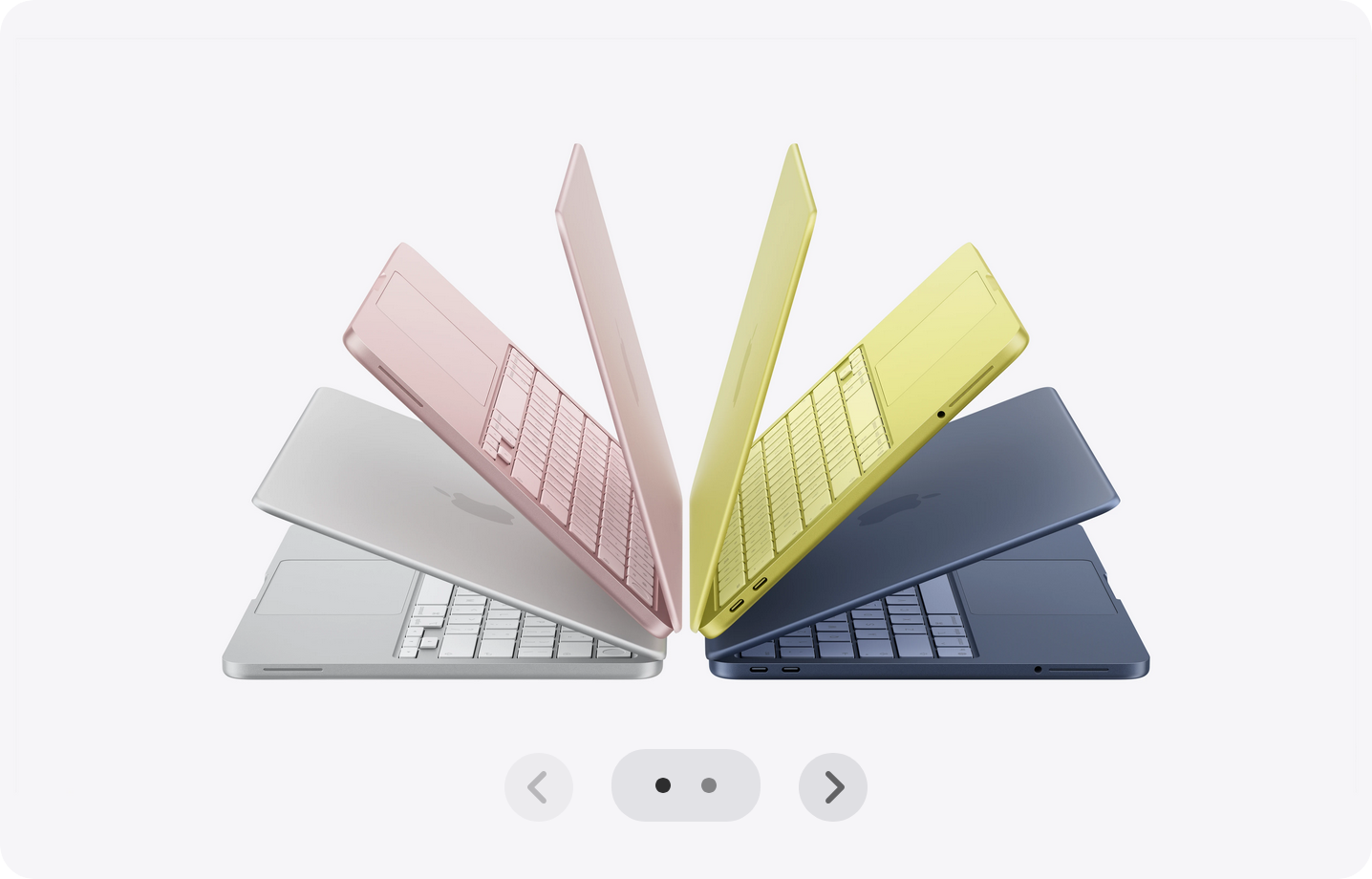
The Neo has few competitors among Windows budget laptops at least at the moment although it could motivate Lenovo for example or HP to improve its offerings. It has next to none among Chromebooks, which are little more than surveillance browsers without the Linux virtual machine option, and still nowhere close with it activated.
For these and other reasons, the Neo laptop will attract individual users, especially those who already have iPhones and AirPods or Apple Watches but before now couldn’t justify a thousand dollars or more for an Apple laptop. It will also likely have an increased appeal to institutions, such as schools and small businesses, as a result of the same reasons, including the network effect.
With it, Apple is extending its reach into hardware, which has always been its focus, and adding this extension to its software, platforms (FaceTime, e.g., or iMessage), and services (iCloud, e.g., or Apple TV). As a result, Apple is consolidating its control, and slowly but surely becoming the primary portal through which people access digital networks.
Such a consolidation challenges adversarial interoperability, or the cooperative potential of different devices and platforms even without the consent. This condition, which has long been considered a threat by Apple, is both central to the invention of the internet (Berners-Lee 2025) and possible remedy to its chronic devolution (Doctorow 2025).
This consolidation also promotes its colonization of psychological, social, and cultural spaces, which should be increasingly evident. More and more people are walking or worse driving for example while messaging, surfing, or talking as a result of Apple devices. Too many if you ask me seem enthralled with immersion, subjectivity, and other cultural immediacy features that have been promulgated by these devices.
Some might be more or less alarmed about a human future that increasingly exists within digital networks. Regardless, all of us can be concerned with the way that Apple has positioned itself to exert the greatest control and make the most money, which only compounds its control.
None of us can dismiss this dependency no matter how much Apple promotes user privacy for example or environmental stability or otherwise presents itself positively to the world. We cannot be confident that it will continue to promote these or other prosocial practices, especially if or when sales start to slump.
The Apple MacBook Neo in other words might be amazing but upon second thought is also alarming because it contributes to the degradation of digital networks and encourages digital dependency.
Equally alarming is that such second thoughts might not disqualify the MacBook Neo as my replacement laptop when I need a new one or worse before then.