
I was more excited about getting to read Elizabeth Strout’s latest novel The Things We Never Say than I am about having read it.
I tend to like Strout’s novels more than I expect, so I thought that this one, and especially its fifty-seven-year-old high school history teacher protagonist named Artie, would be even better. Artie, like so many of us, is beset by a loneliness that as its epigraph attests comes from his alienation in the midst of others.
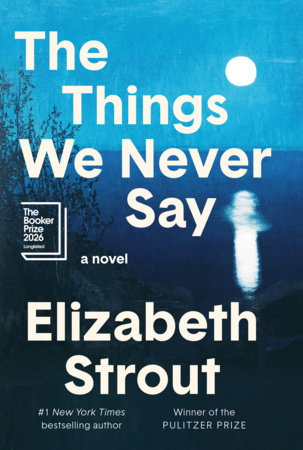
Artie and his wife of many years Evie are struggling with the emotional aftermath of their son Rob’s car crash that killed his girlfriend. Artie discovers that his initial response, which is suicide, isn’t as appealing after he falls into the water while stepping into his sailboat, and that he actually has a desire to live, which he spends the rest of the novel trying to do.
Other critics praise have praised this novel for many reasons, including this memorable protagonist and its cast of characters and its spare yet sharp style.
I also admired it for its political and personal timeliness. Loneliness if social media are any indication besets the best of us, and the Trump administration antics can alienate all of us, and in that offer us some common ground.
I additionally appreciated the intersection of character and plot, and especially Artie’s connection with his son Rob, whose circumstances push them closer and later pull them apart. One contributing cause is Evie’s secret that is exposed yet never confronted, which sadly seems so familiar.
I could recognize the potential in other choices, such as a shifting POV that promises an unprovided intimacy. That and others reinforce the loneliness theme, and combine for a rhetorically withheld catharsis that cleverly compelled me to keep reading and unfortunately was ultimately unsatisfying.
This condition can be seen in Artie, whose experiences that he both can and cannot change illustrate the excruciating effect of loneliness around others. His motivation however is never quite clear.
Is Artie driven by his relative poor childhood or his current political outrage or even a righteous indignation over political and personal circumstances combined with an unavoidable awareness of his relative privilege? The answer can never be found in the accumulation of too many tragedies, one after another until the end.
I respect Strout’s effort, and her commitment to and confidence in this project. I just believe that the book would have been better served with at least another draft.
The loss is all that this book could but doesn’t say, which is even more lamentable in light of its final paragraphs and our current circumstances.