I was relieved that WBEZ ended its fall pledge drive yesterday and resumed its regular programming. However, I was reminded even before the broadcast began of my Chicago Public Media concerns.
I had to listen to two sponsor spots on my smart speakers on my smart speakers. Then I lost count of the number of these and other disruptions such as show promos and apparent advertising — one lauded an antacid? — before I couldn’t listen anymore.
I didn’t clock the minutes but couldn’t endure any more disruptions. I had spent too much time listening to something other than news, which is the primary reason I listen, and support, public media in the mornings and afternoons.
I also predicted based upon experience that some of these segments from both NPR and WBEZ would be recycled for afternoon and weekend broadcasts. And I’ve begun to notice more excerpted podcasts on these news shows than original reporting.
I realize that WBEZ and NPR are confronting challenging financial circumstances even without the incessant pledge drive reminders. I also still am, and have long been, a public media supporter, and long for a government-funded approach as is used in other countries.
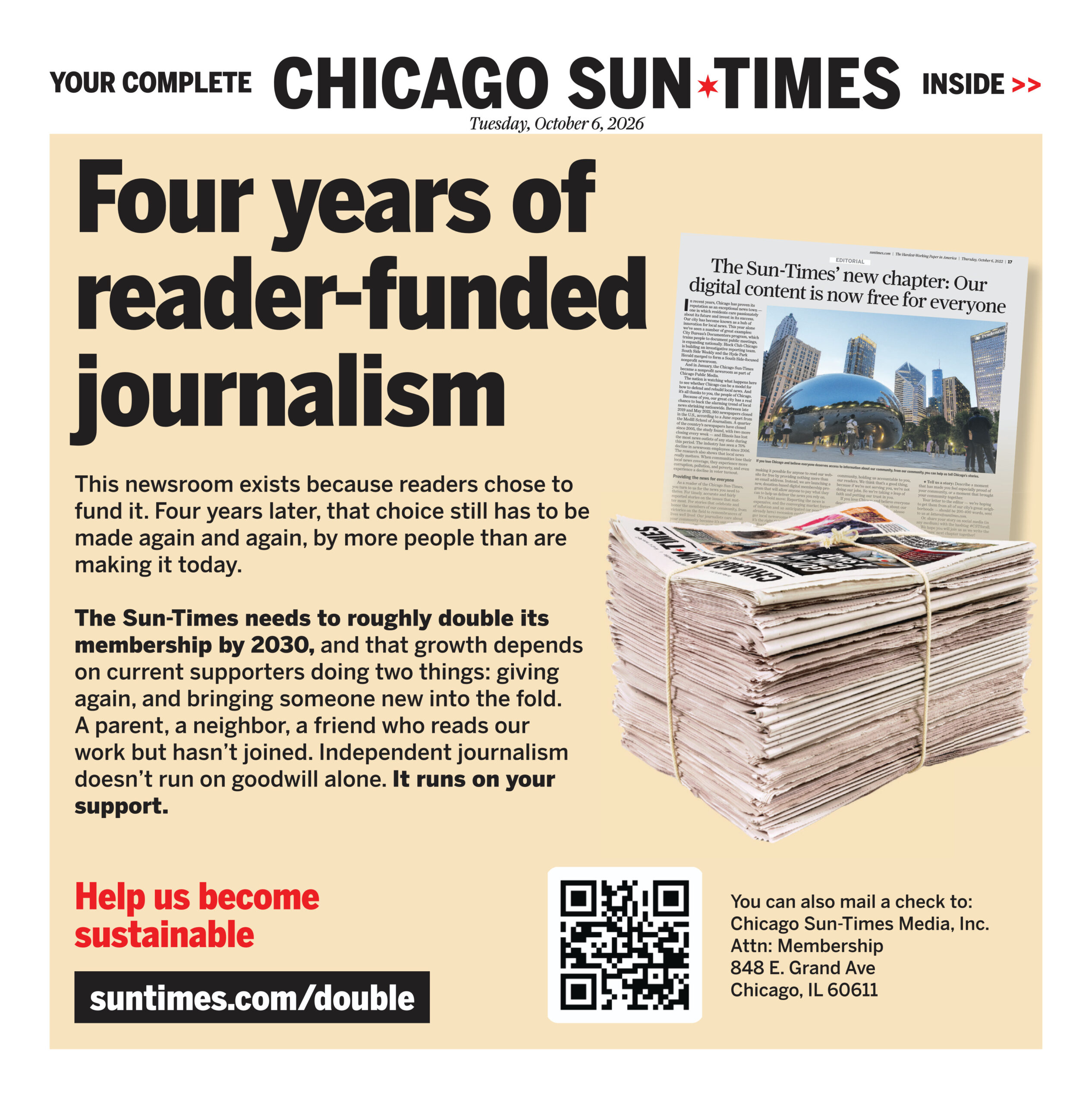
I’m still surprised that NPR and WBEZ hadn’t prepared for these federal funding cuts given how often conservatives have threatened to do so, which seems almost irresponsible. I’m moreover bewildered by the seeming inconsistency between the impression presented in the recent Chicago Sun-Times wraparound for example and these and other experiences, including ones with support staff and upper management, since these funding reductions and even earlier.
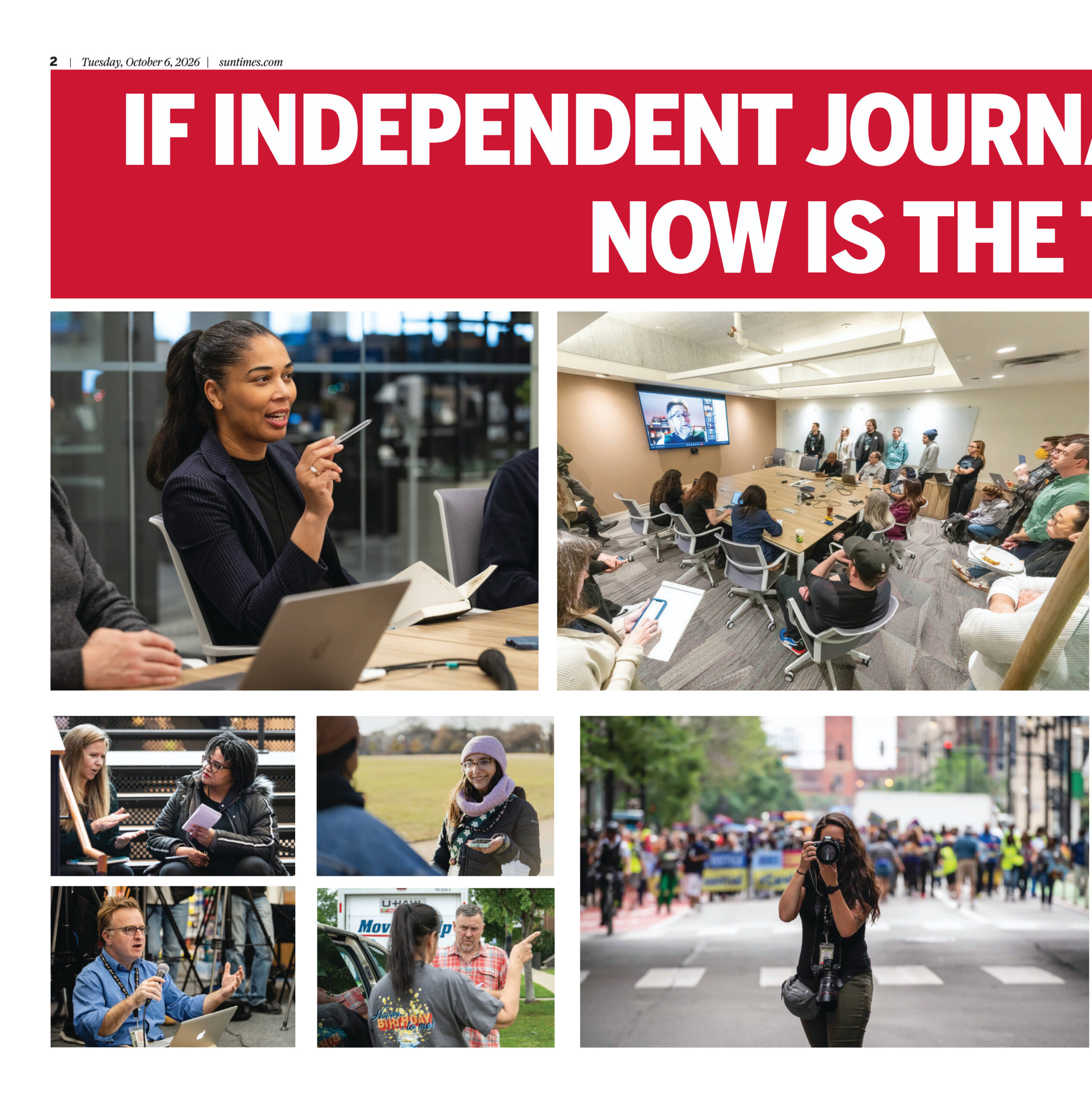
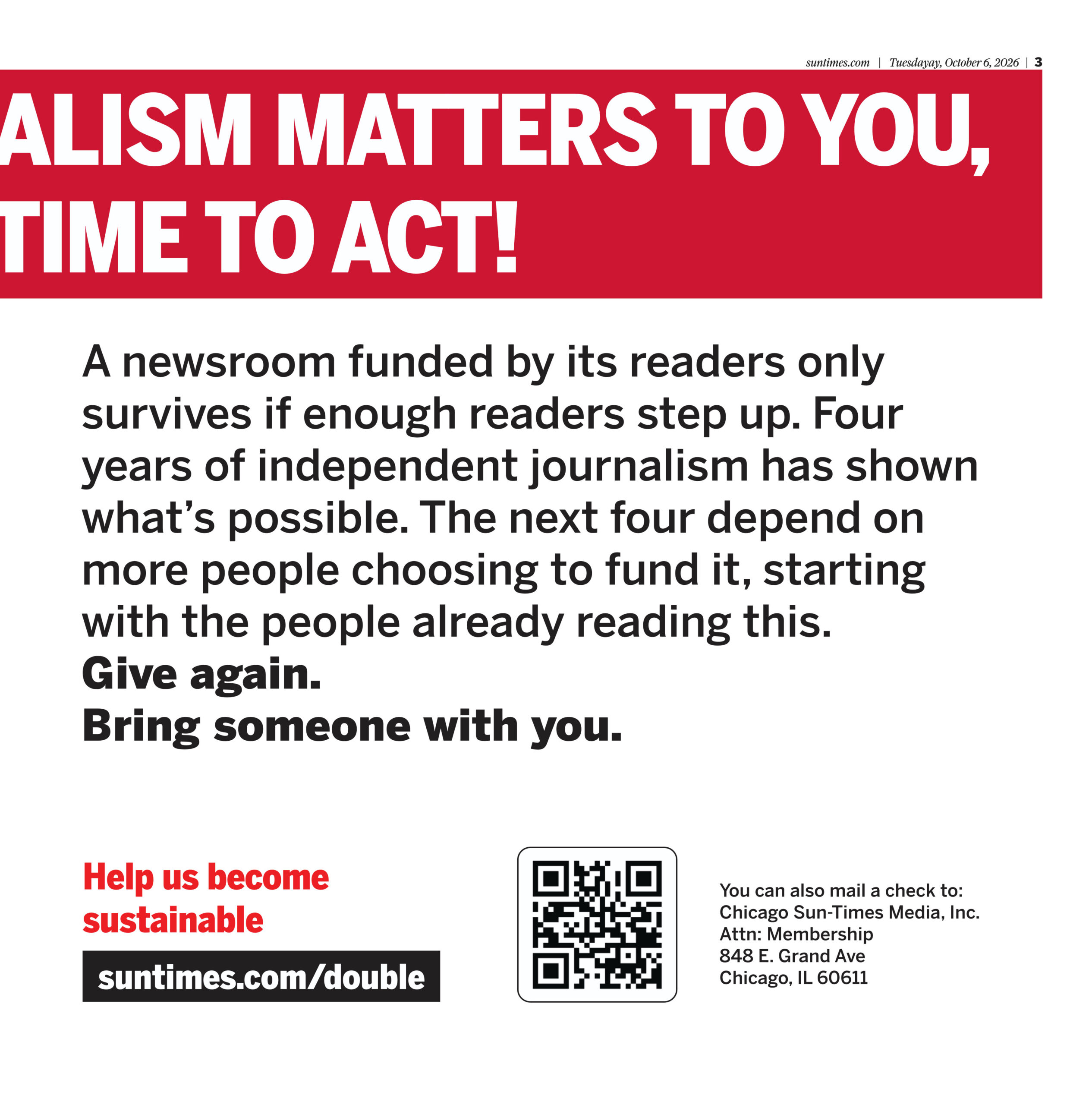

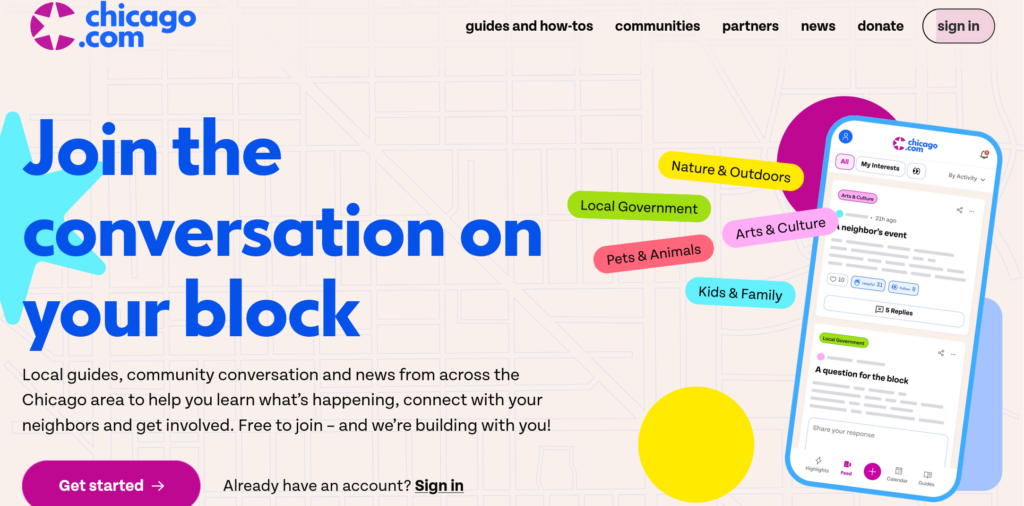
I’ve volunteered for an upcoming usability test for < chicago.com >, which is its latest initiative. I’m skeptical that Chicagoans are seeking a synthesis of social media and reliable reporting but might misunderstand the scope and goals of this initiative.
I just hope that Chicago Public Media can restore my confidence in it, and convince me to reverse my own financial support reductions, soon.