I attended the final production of Manual Cinema’s The 4th Witch this past weekend, and was elated at the outset.
I had forgotten how thrilling live performance can be. I unfortunately had sufficient time throughout the rest of the performance to contemplate the relative absence of theater in my life.
Its presence dramatically diminished once I left a theater awards organization. For eight years, I had been a theater judge, and was seeing more than one hundred, and sometimes more than two hundred, different productions each year.
I left the organization as a result of its lack of professionalism, and its resistance to professional development, and its leaders’ lack of integrity and ethics. I was also was concerned about the amount of time that I was spending at less than noteworthy productions, which were hours of our lives another judge reminded me that we’d never get back.
For the first year or two, I resumed my theater subscriptions, which meant that I was attending fifteen to twenty performances a year. That effectively reduced my attendance rate, which allowed more space and time for other activities, but inadvertently increased the costs, which now included money. A single theater subscription, which could include four, five, or six performances, could cost several hundred dollars a season even for preview performances or midday matinees.
These increased costs I admit could have highlighted the diminished quality, or could have made it more salient. Such a trend had been evident when I was still a theater judge, especially after the pandemic when theaters rushed to respond to the loudest calls for a more woke world.
Such calls could have been coming from those who were first to return to theaters, or the ones who most often attended shows. Regardless, these calls seemed to pressure theaters into featuring the same systemic racism themes that had a long presence even before the 2020 “We See You, White American Theater” missive.
Theater as the most synthetic of art forms has a tradition of featuring such themes, and pushing social and artistic boundaries. Such a tradition is evident in the United States, as illustrated for example in August Wilson’s call for tradition and change, and even here in Chicago, which has made numerous contributions to theater both across the United States and around the world.
Post-pandemic American theater however seemed more concerned about placating patrons, and in so doing became too timid. Too often, snapping, and easy laughs, rippled across too many darkened theaters in response to one intellectually and emotionally insulting scene after another.
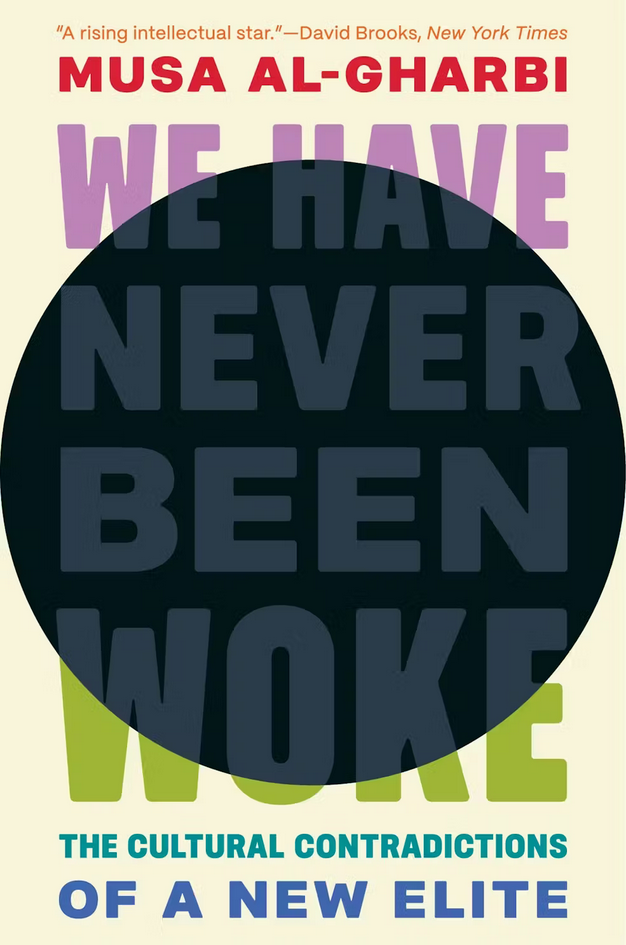
Most theaters, or at least the ones I had long been attending, seemed to reinforce mainstream liberal mentalities, and to refuse to reckon with the never-been-woke realities of too many social justice initiatives. So I stopped subscribing.
I still cannot rationalize these costs, especially now that I’m retired. Maybe I wondered this weekend I never will.
The challenge confronting theaters is to some extent understandable, and a perpetual question in debates about the economics of art. Realistic answers require a careful balance of finances and function.
Regardless, American theater could confront the political economies of theater today, and rebalance its approach in ways that don’t compromise accessibility and affordability and challenge and change. To this end, Chicago again offers ideas, such as the Hull House approach or the little theater movement in the early twentieth century or the little theater movement soon thereafter to the storefront tradition in the late twentieth- and early twenty-first centuries.
These and other approaches offer accessible and accountable art, ones that theaters here in Chicago and elsewhere would be wise to consider. And these could mean more thrilling theater for me too.