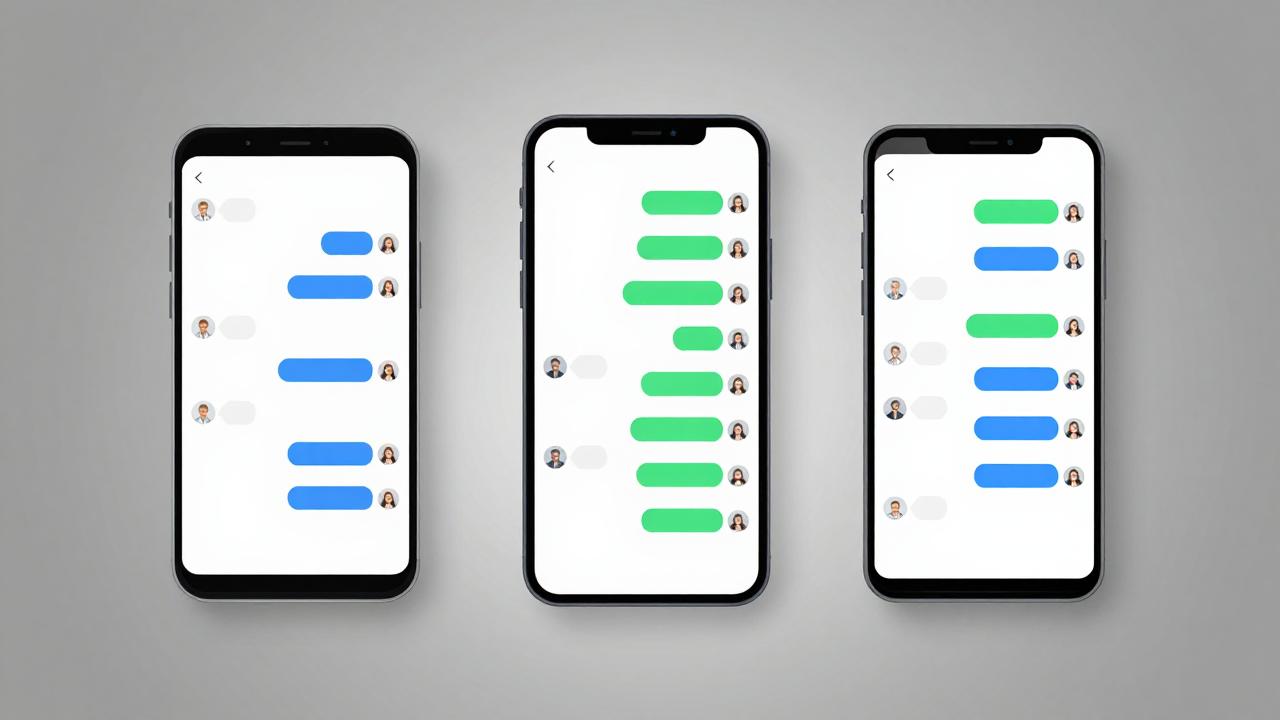
I refused to read aloud text messages I had sent to one of my kids over the phone. “You can read them faster,” I said, “than I can read aloud.”
These messages, which had been sent days earlier, were unread I was told because this kid is avoiding cell phones. That seems implausible at least from my observations — this kid was likely just ignoring me — but I recognize the debate about the best ways to manage these mind-sucking devices we all carry in our pockets and purses.
I’ve been told that I text too much and that I should separate my messages into smaller ones. I’ve also seen these same critics respond to multiple and longer messages from others, and even object to delayed responses from others and from me.
Others are struggling with similar issues. For example, Julie Beck in a recent Atlantic article described her own texting experiences, including her feelings about failing to respond to messages, before calling texting the “currency” of contemporary relationships.
One problem Beck explains is that text messages can reduce context, which can complicate communication. Others she acknowledges are that timely responses can actually increase the number of messages and that managing messages is different from maintaining relationships.
Context is clearly crucial to communication and no matter how much gets incorporated into content to meaning. Anyone attempting to manage messages likely shudders about strategies that could produce even more to manage.
Nonetheless, texting isn’t THE currency as Beck describes it but rather A currency, which is a distinction I believe with a difference. This mode best supplements existing relationships and supports new ones, and cannot completely substitute for all things essential to human relationships without harming both senders and receivers.
Texts in other words are useful for coordinating dinner plans for example but inadequate for more important interactions and fundamental functions, which only increases the tax on these exchanges and the harm to relationships.
As a result, cell-phone users today must learn to spend this currency on things that support their relationships and not on those that substitute, and sabotage, essential interactions, which is more challenging than learning to keep up with all the messages we send. Too many, including ones I send, seem to do the work that had previously been done, and that can perhaps only be done, through real-time, and even in-person, interaction.
I wonder whether all these messages and other compulsive cell phone use are symptoms of a chronic loneliness that at least for some might be an inescapable and even essential human condition. If so, then I’m even more concerned by the ways that this condition could be exacerbated by these pocket computers.
And that makes me suspect that Beck, my kid and I, and many others are offering an incomplete account of this situation. Perhaps we struggle with these expectations and emotions, and have even internalized these, because we’re interacting with and experiencing these devices in deliberately designed ways.
To what extend might these experiences and emotions be evoked by these dumb devices as a result of deliberately designed UXs? In what ways in other words might we be doing exactly what these designers hope we will?
What if these designers produce UXs and develop software, OSs, and hardware, and collude with cell phone manufacturers to exploit customers for their own ends even when these outcomes are inconsistent with users’ goals and hopes? If so, then the problem is more than managing our messages and distinguishing between productive and counterproductive ways to use this communication mode.
Perhaps the more pressing problem is reconsidering the values and beliefs about human interaction that are embedded in these devices. One place to start might be the tension between the human desire to connect, and stay connected, and the manufactured impulse to reduce friction and inefficiency in the ways these devices are deployed and designed.
Not everything can or should be accelerated or automated, which applies to more than just our messages.
Leave a Reply