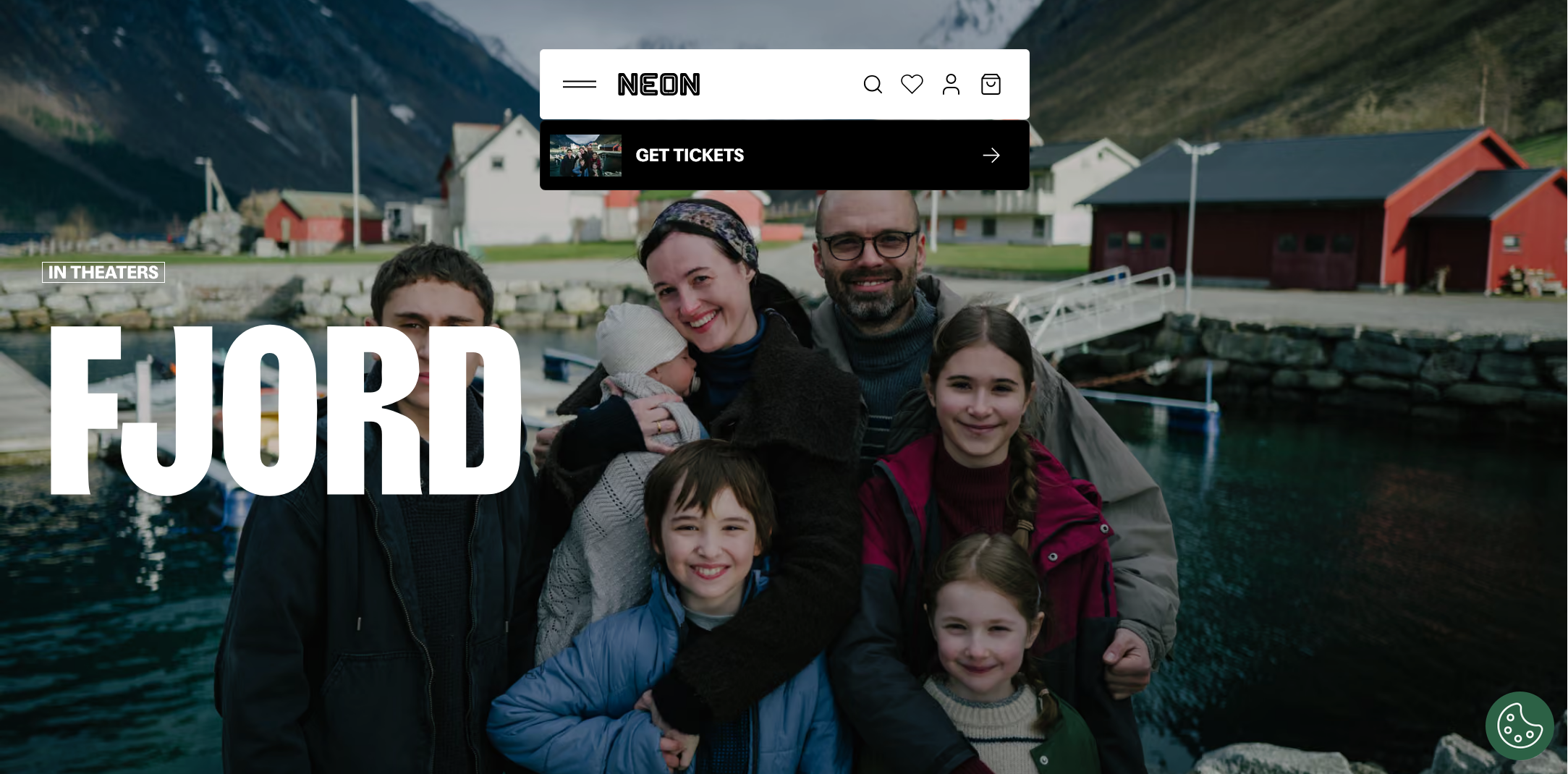
The new movie Fjord, which won the 2026 Cannes Palme d’Or and has been praised by credible critics, asks engaging questions but is ultimately unsatisfying.
This legal thriller written, directed, and co-produced by Cristian Mungiu tells the story of a Romanian engineer named Mihai Gheorghiu, his Norwegian wife, and nursing home caregiver, Lisbet, and their five children. Mihai and Lisbet, who are devote Christians, have relocated from Romania after Mihai’s parents died to Norway to be closer to Lisbet’s family.
Mihai and Lisbet are suspected of child abuse by one of their kids’ teachers who also works for Child Welfare Services. Mihai denies the abuse allegations, but Lisbet and he admit to physical punishment, which triggers the removal of their children until the investigation can be completed.
The attorney recommended by local church leaders soon refuses to represent them because she thinks Mihai is too difficult. Lisbet then asks their neighbor Mia, who is a non-practicing lawyer, married to the local school headmaster Mats, and caring for Mats’ ailing father, to represent them.
Mihai suspects religious persecution, and Mia manages to resolve the Child Services investigation, and return the children to the Gheorghius. Mia however declines to represent them in the upcoming criminal trial, and encourages them to leave the country, which they do before it begins.
This movie is artistically accomplished as its awards suggest. Perhaps the strongest element is the ensemble, which includes consistently strong performances that expands the focus and highlights the themes.
The obvious context is parenting and religion, which are two sacred spaces where intervention at best is complicated. Norwegian society maintains that state obligations to children supersede parental prerogatives, and that the community is greater than the individual, which challenge the Romanian culture in which Mihai was raised and the religious beliefs Lisbet and he share.
As a result, the movie questions the limits of tolerance in an increasingly globalized world. The Norwegian answer is that the state should err on the side of the child, and should protect them even if doing so fractures families, which even confounds Lisbet who presumably has been exposed to such principles and values.
This tension is powerfully dramatized throughout the movie. For example, the anger-management class scene with Mihai and others was excruciating — sound strategies, unsettling conformity — while the parenting classes, which Lisbet completes off-screen, cannot mask the forced attendance of a mother who has been raising five children of various ages.
Mihai and Lisbet resist the proposed civil settlement — the process seemed strangely less adversarial given the stakes — and got more of what they wanted. This outcome however cannot dispel the ominous shadow from the looming criminal case.
The plot, which seemed sufficient but little more, sometimes sagged beneath the weight of these themes. Moreover, its conclusion confusingly muted the overall experience.
What are we to do when Mia’s stepdaughter Noor, who befriended the older Gheorghiu children wades into the sea in pursuit of the ferry on which her friends and their family have escaped to Denmark? And what is the significance of Noora’s walking on water?
Such fits and starts, which recurred throughout the movie, were frustrating, and prevented me from engaging with it as a legal thriller or even a family drama. More synthesis throughout this story that is loosely based upon actual events would have made this movie seem less unfinished, and unsatisfying.
Leave a Reply