To My Elected Officials and Other Members of Congress:
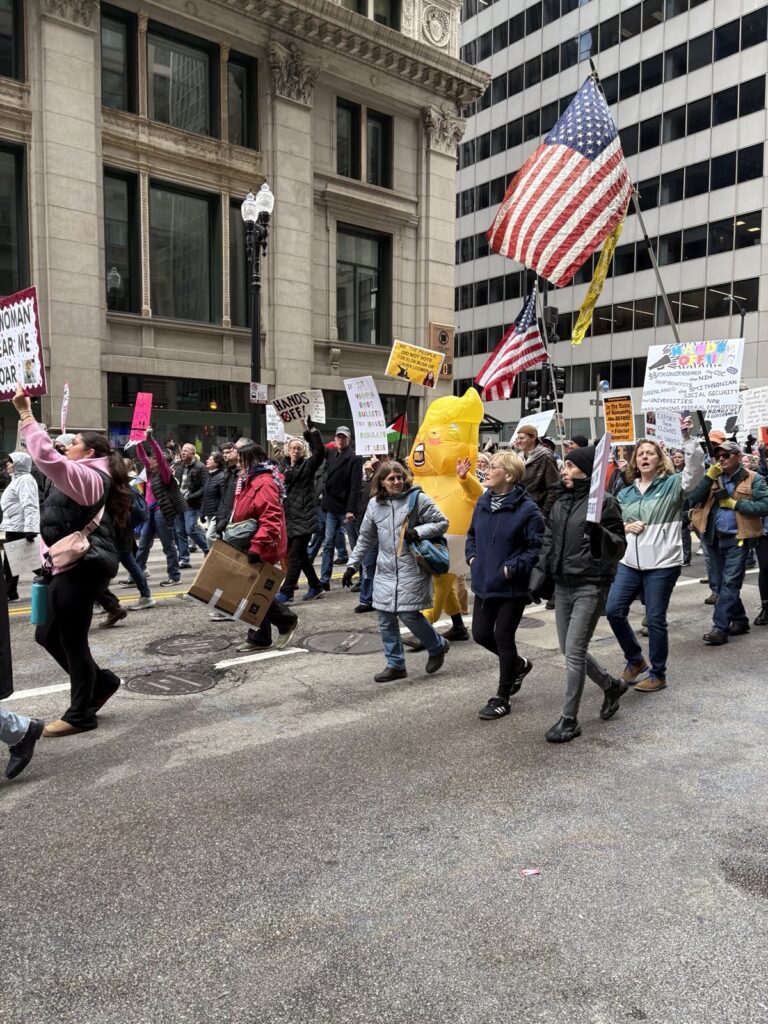
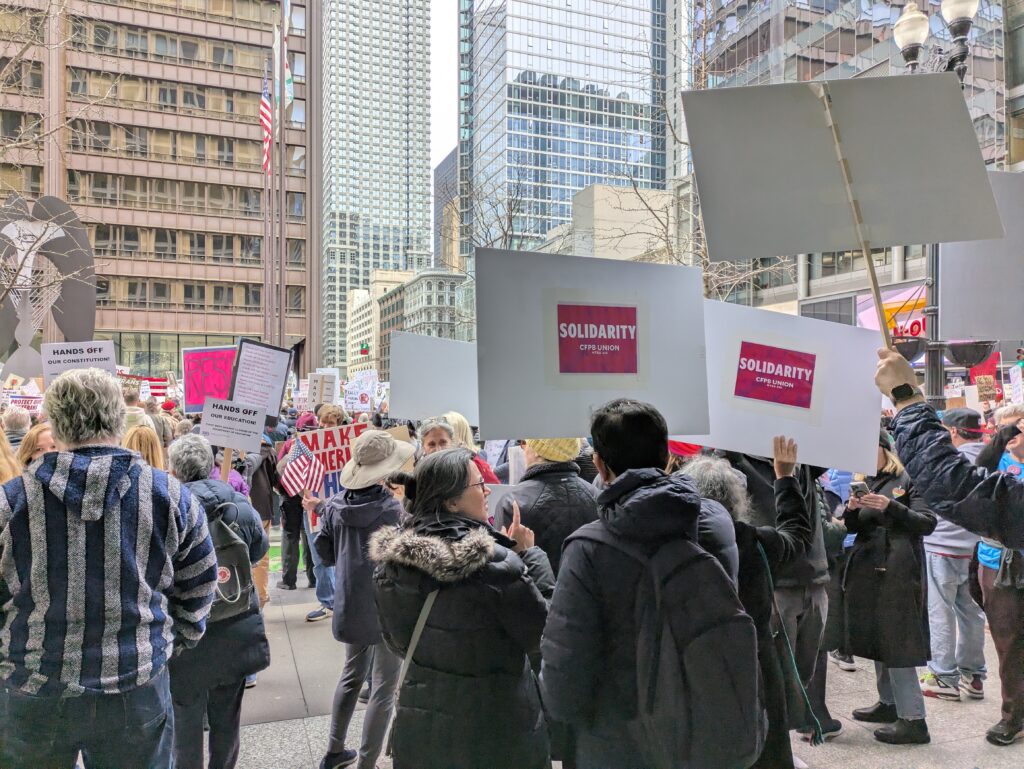
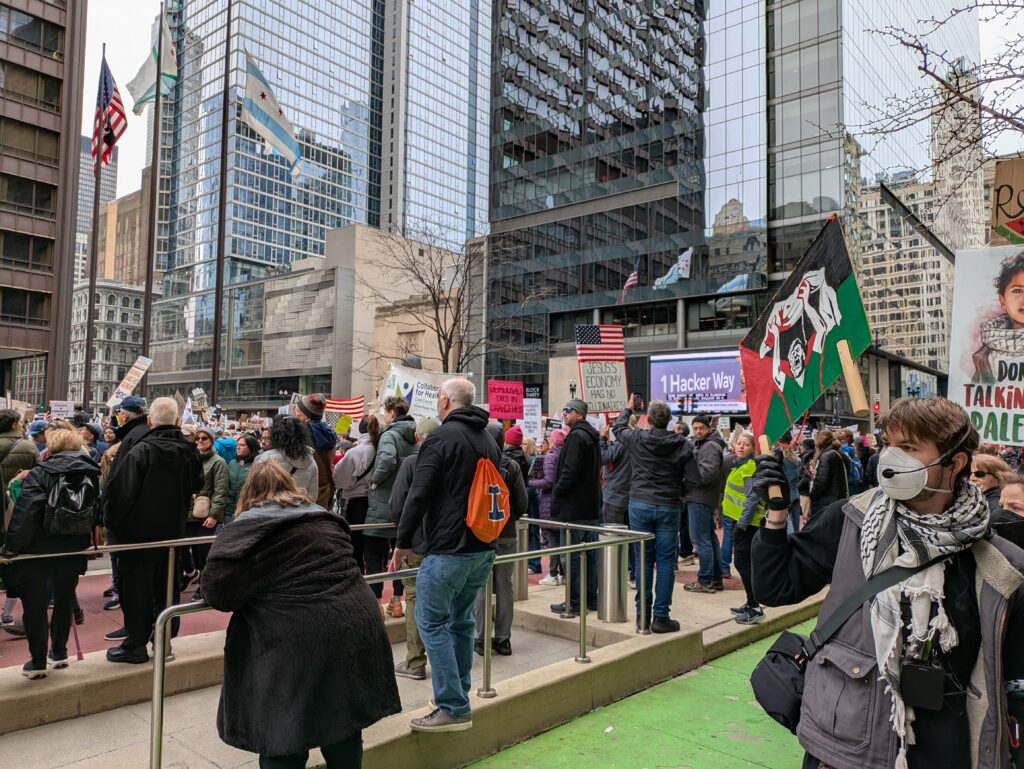
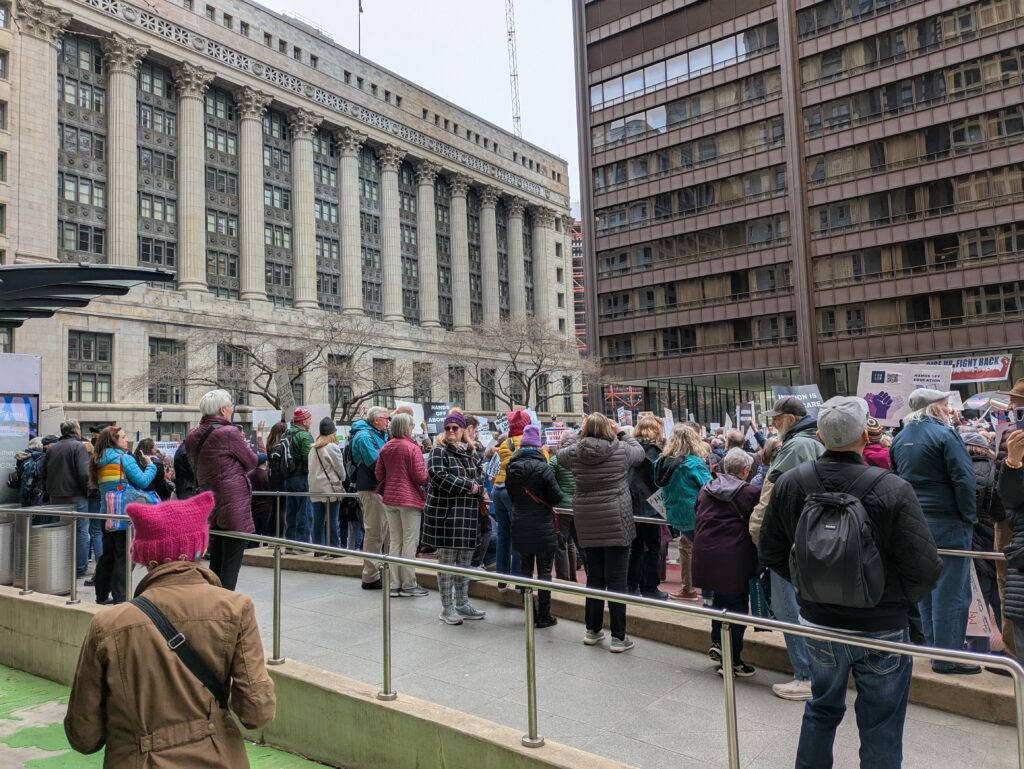
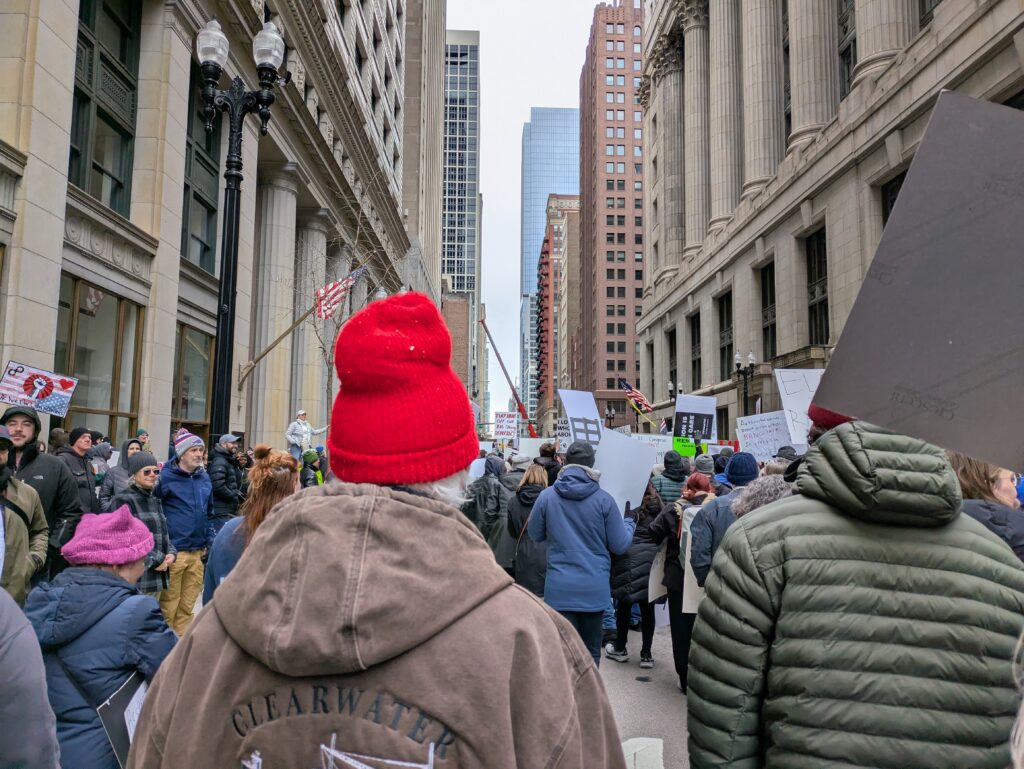
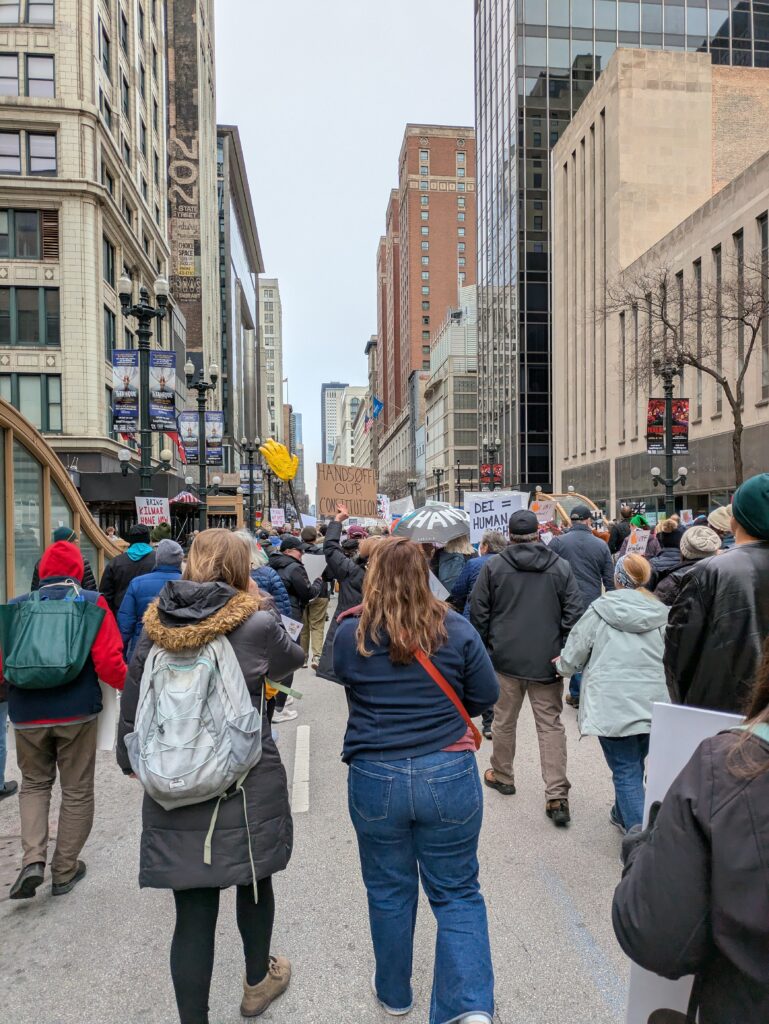
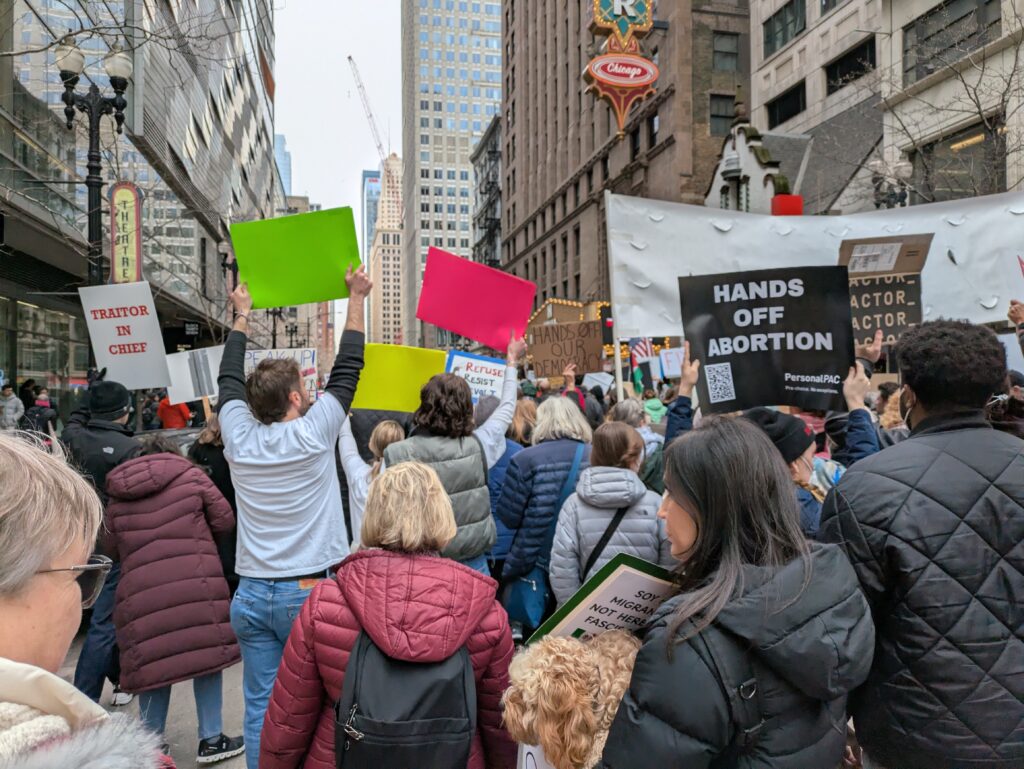
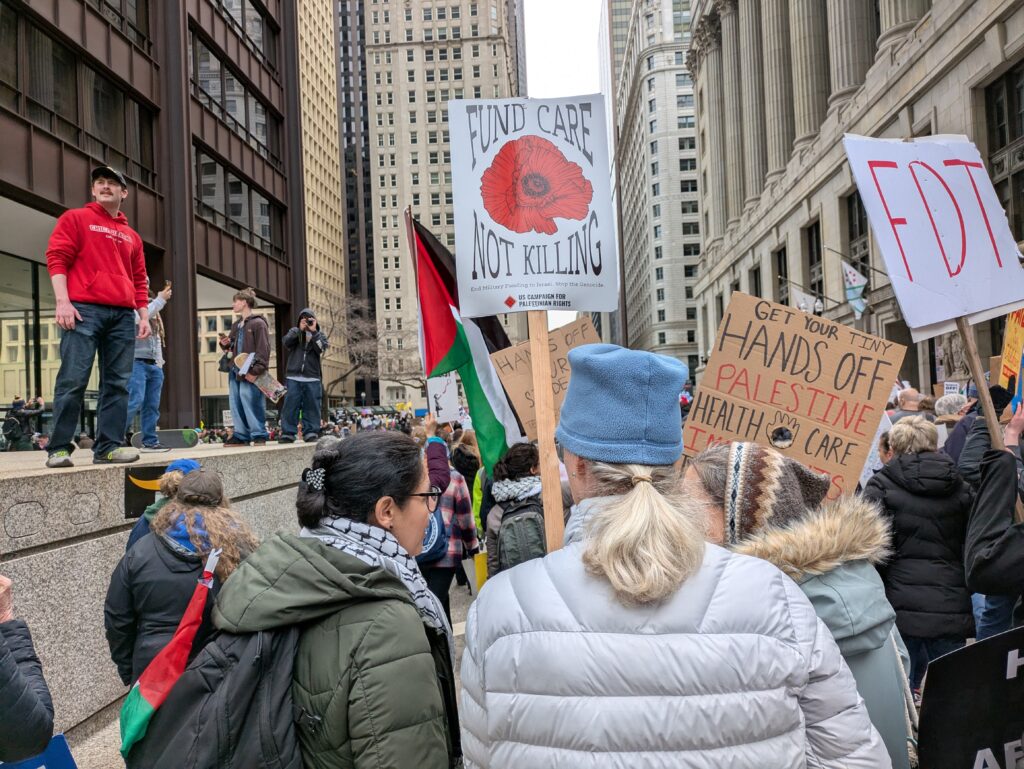
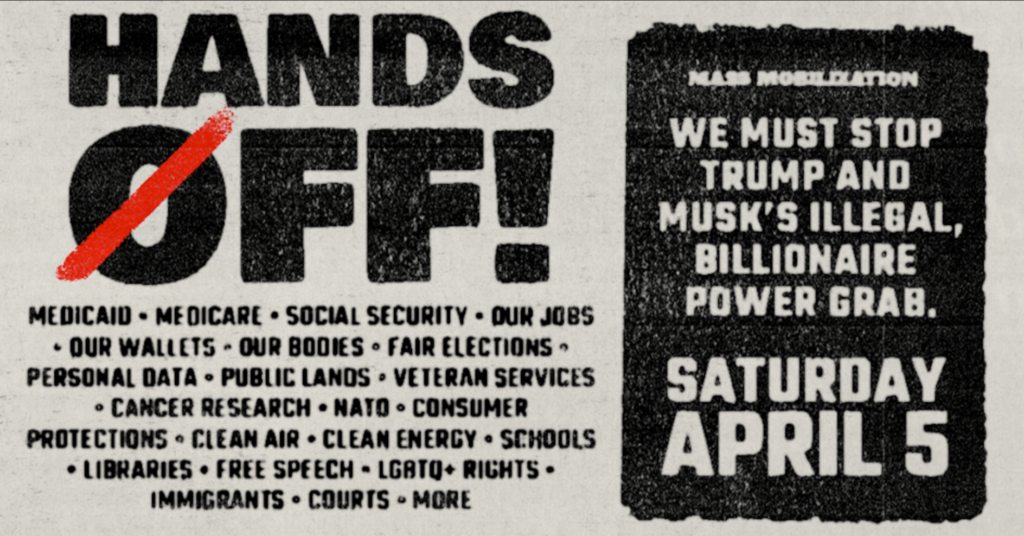
I was one of thousands in Chicago, and millions across the country, who spent Saturday afternoon sending a message.
This message to the Trump administration was that we’ve already had enough, and that we’re prepared to stand for the preservation of our political principles and values. Many more of us didn’t vote for you than those who did, and we insist upon being counted.
And to our elected officials, it was that we will support efforts to resist this widespread dismantling of American ideals, and that we expect you to stand in front of, and lead, us. You can count on us, but we must be able to count on you. Anything less is unacceptable.
I had hopes for a recent Chicago Public Library event, which was co-sponsored by the Clarence Darrow Commemorative Committee, about the 1925 Scopes trial and banned books.
I didn’t expect such a sparse audience, which given the venue might have surprised the organizers as well. Nonetheless, I settled into a seat and later focused on a hanging screen, which featured a recorded introduction to the trial from a historian who had recently published a book. Then I watched a moderated conversation between an ACLU of Illinois First Amendment lawyer and an American Library Association Freedom to Read program administrator.
I had hoped that the panelists would debate a thesis or otherwise engage in challenging conversation. Instead, they mostly agreed, and mostly offered observations about their backgrounds, current events, and their organizations without any sustained discussion of intellectual independence for example or civil liberties or related issues.
Perhaps the problem was the relatively diffuse focus, which spanned one hundred years. Maybe part was the moderating, which seemed to consist of mostly closed questions that didn’t encourage debate or even discussion.
Most agree that evolution is no longer a controversial idea and that book challenges have increased. What are the contested limits or unclear perspectives about these issues, such as gendered bias in evolutionary models or racist ideas in canonical content, on which thoughtful people might disagree or at least could reconsider?
I’m not advocating for spectacle or controversy for its own sake. These already comprise too much of contemporary life on social media for example and elsewhere. Rather, I’m suggesting that conflicts when handled properly can be productive, and engaging, and central to the Scopes trial, book challenges, and other related issues.
That would have been a more useful experience, and evening. And it could help if word of such experiences got out with the attendance at this and too many other potentially provocative CPL events.