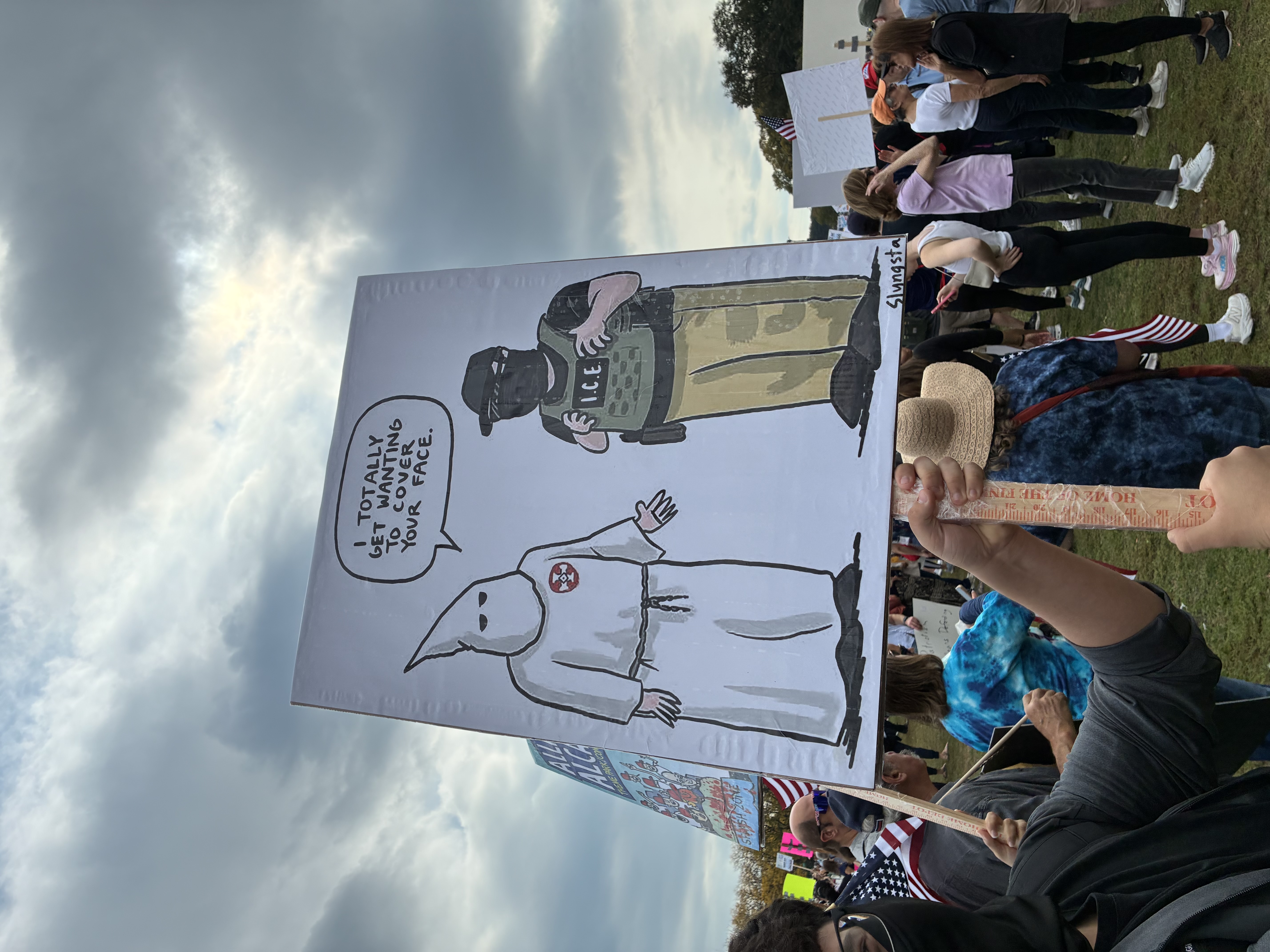
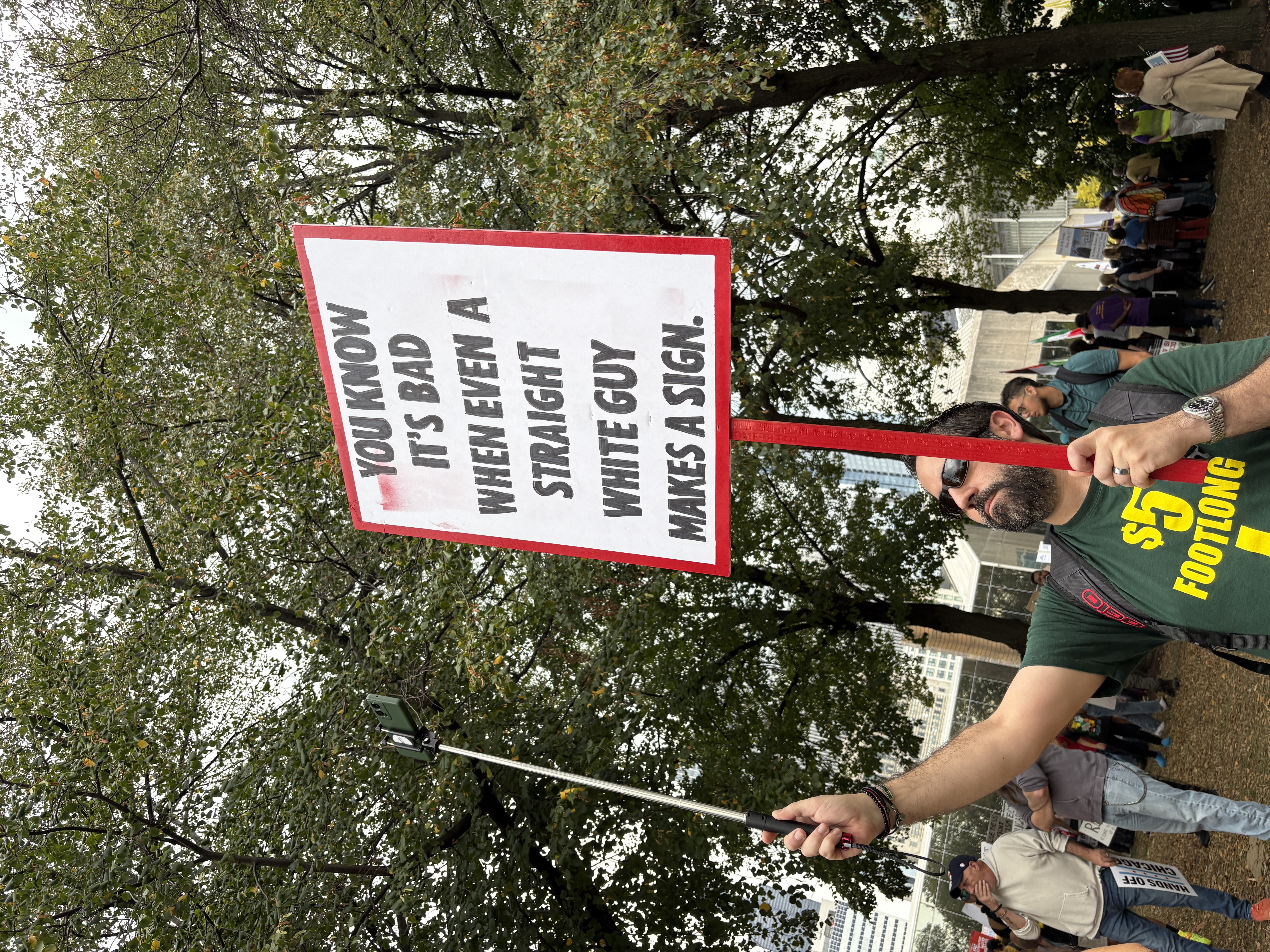


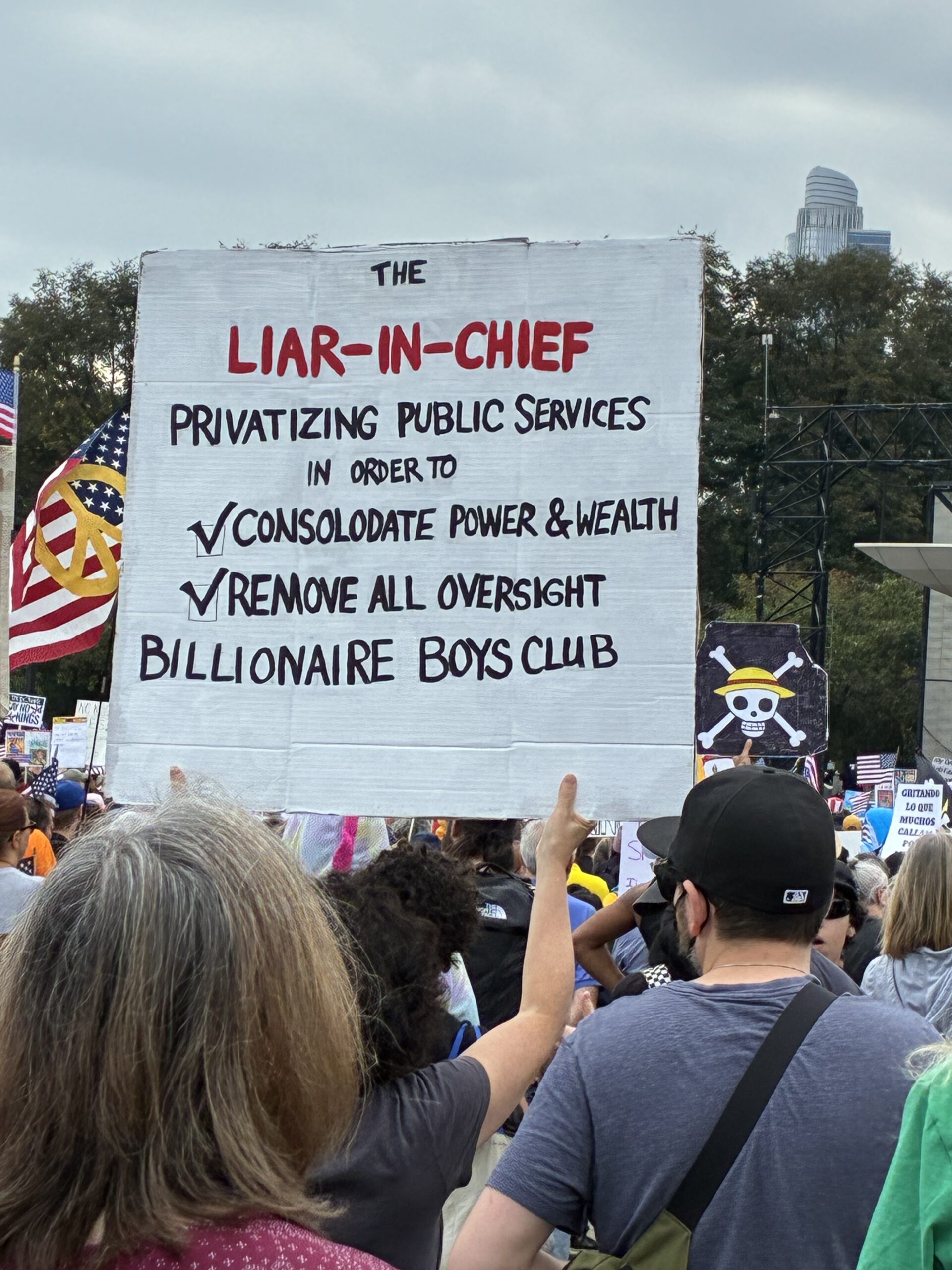
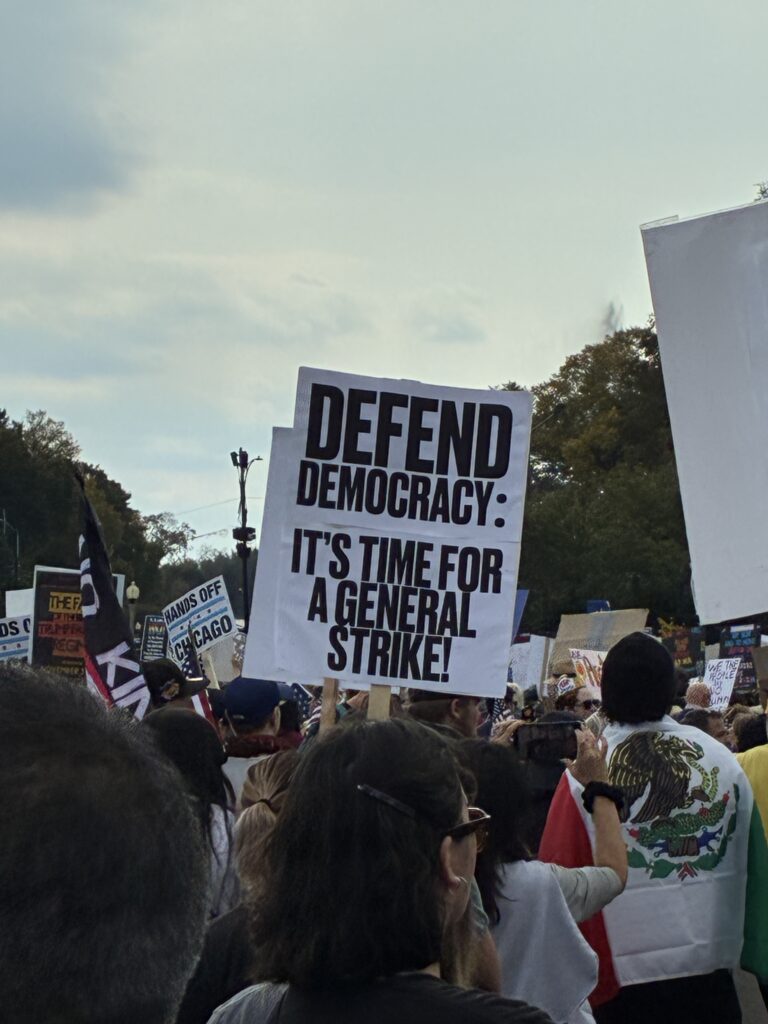
I had concerns about the Chicago Sun-Times even before its most recent AI-related fiasco.
The newspaper seems to have diminished in quality and quantity since I started subscribing. More recently, it seems to be moving away from the opinion business.
This shift seems more than refraining from candidate endorsements as is reportedly required of nonprofits. In fact, it recently stopped publishing editorials after losing much of its editorial board to survival by-outs.
Since then, it has haphazardly offered op-eds, including some regular columns. These most consistently appear on Sundays although the weekly total number (and quality) seem to be decreasing. Some days have none, or at least none I can find.
This number is but one inconsistency. Others are offering these opinions in consistent spaces and even including an opinion section in its TOC, which sometimes includes columnists by their names or even not at all.
A bigger problem is the effects upon its identity as a newspaper. Some suggest that newspapers serve three functions — corroborating facts, curating content, and offering opinions (e.g., Rose-Stockwell [2023], 261-263) .
What happens to newspapers that abandon one of these central functions? At what point does it cease to exist as a newspaper? And could cost-cutting efforts by eliminating these option only hasten its demise?
I switched my subscription to the Sun-Times as soon as it announced in 2022 its partnership with Chicago Public Media. This innovative approach if sustainable has potential I believe to strengthen both this newspaper and the larger organization.
However, I’ve been increasingly disappointed by the results. I realize that I don’t have all the information to make complete conclusion, but I do have some facts and my impressions as a regular consumer of its content.
I can see several obvious options though to mitigate the effects of losing its editorial board. Some easy ones are establishing a consistent opinion section and including this section in its TOC every day.
Another, which might require a bit more effort (and expense?), is amplifying existing critical op-eds. For example, it could republish ones offered by The Conversation, a collection of opinion-based accounts written by experts whose paychecks primarily come from other sources.
None of these though addresses the need to fund the production of critical opinions, and to employ opinion-writers. These are more challenging needs but ones that must at least be considered.
I hope the Chicago Sun-Times will reconsider its responsibility to offer opinions. Print newspapers still matter even in an attention age (e.g., Hayes [2025], 257-258), and these functions are perhaps more important today than ever.